
Last updated September 10, 2026
Level 1 sweep and inspection to the NFPA 211 annual standard - flue, crown, cap, and flashing checked and photographed
Chimney sweep logs do not sweep chimneys. They loosen some creosote - which then falls where a brush and vacuum still have to collect it.
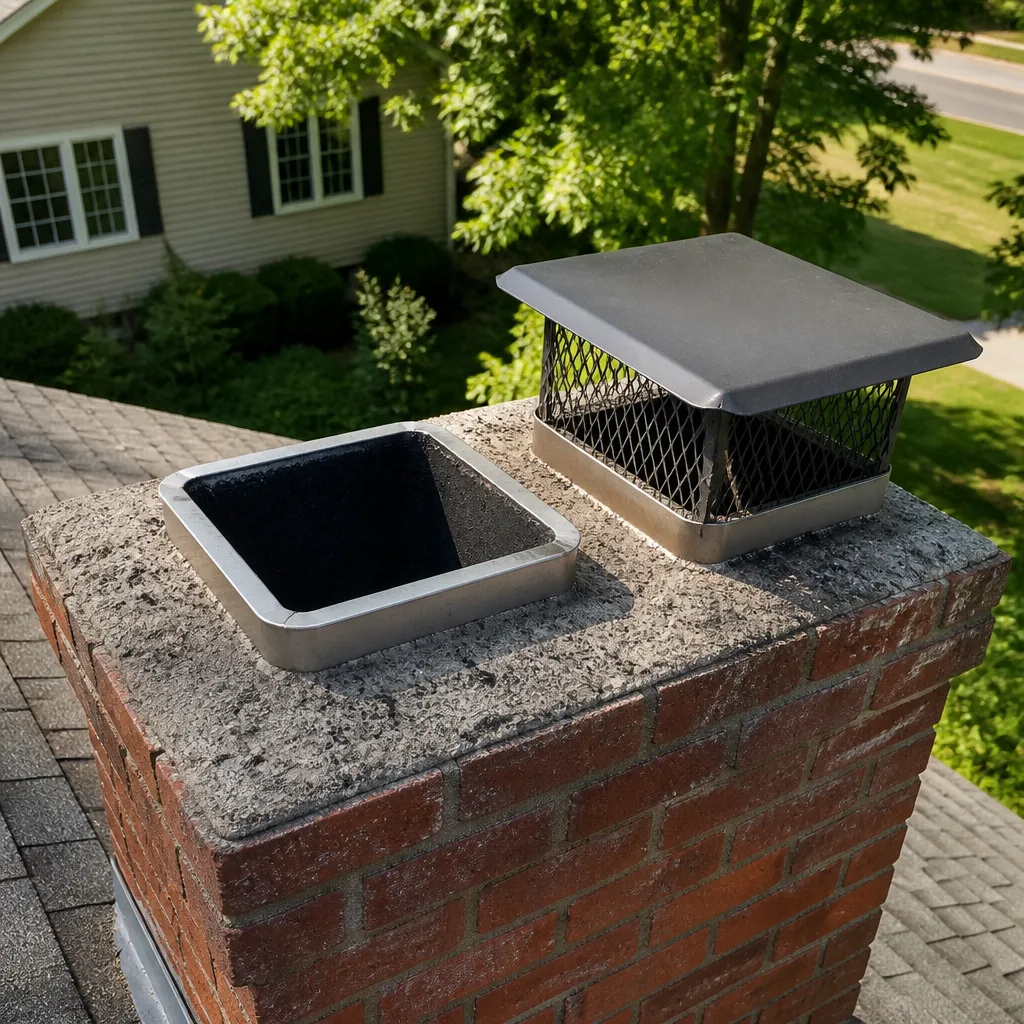
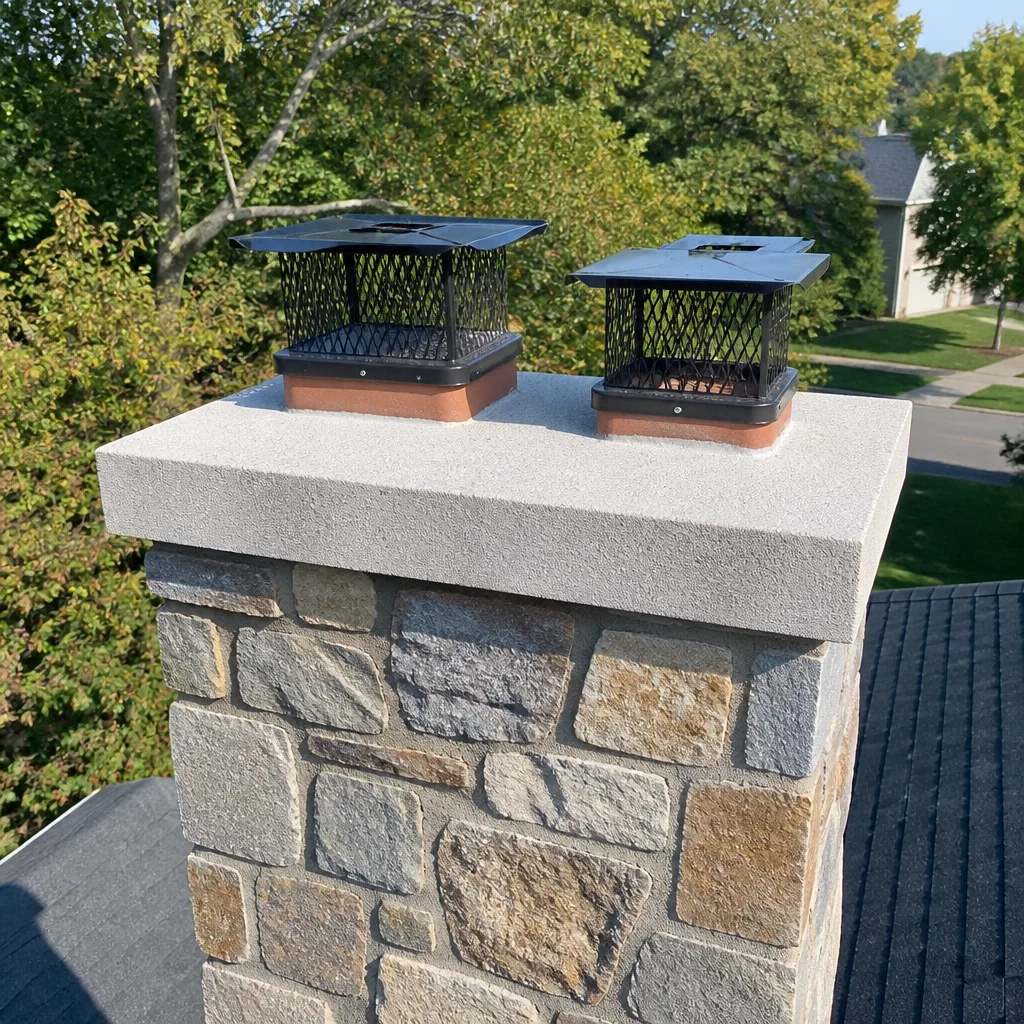
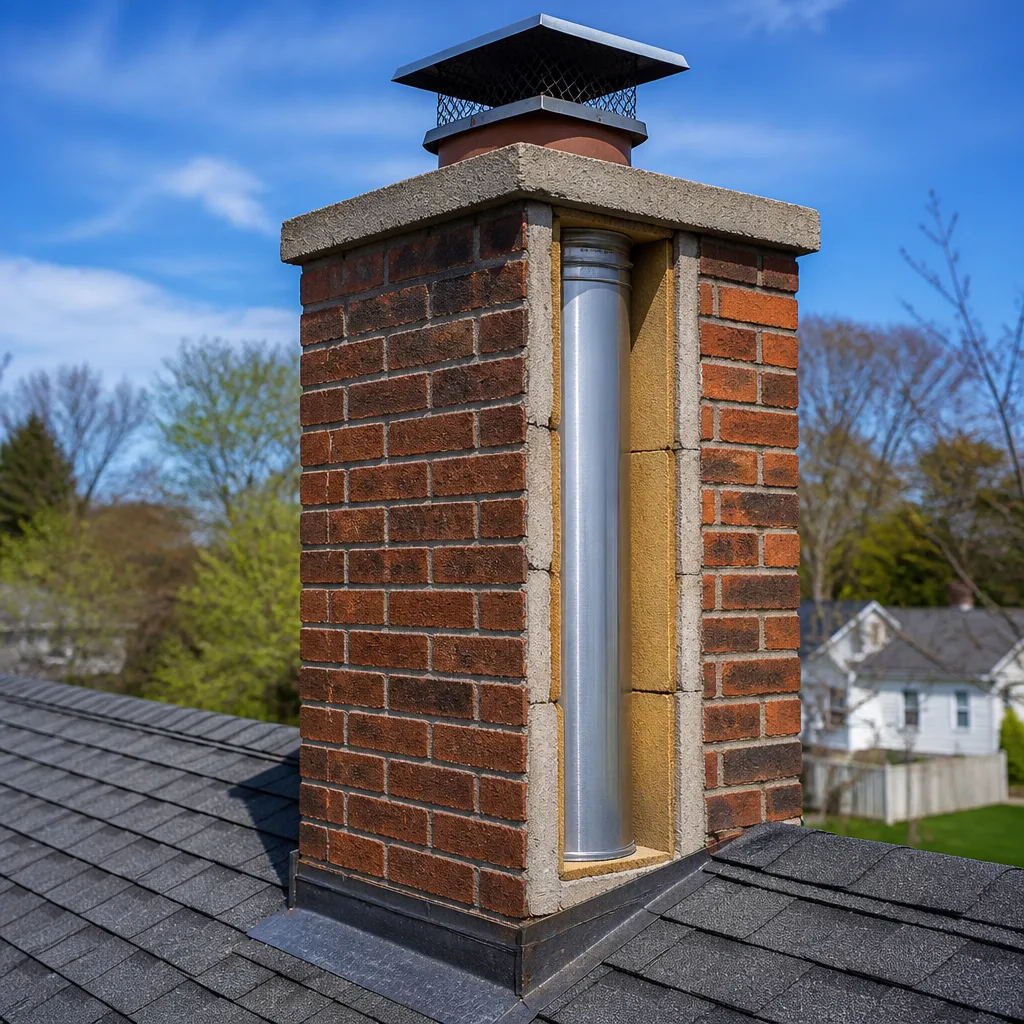
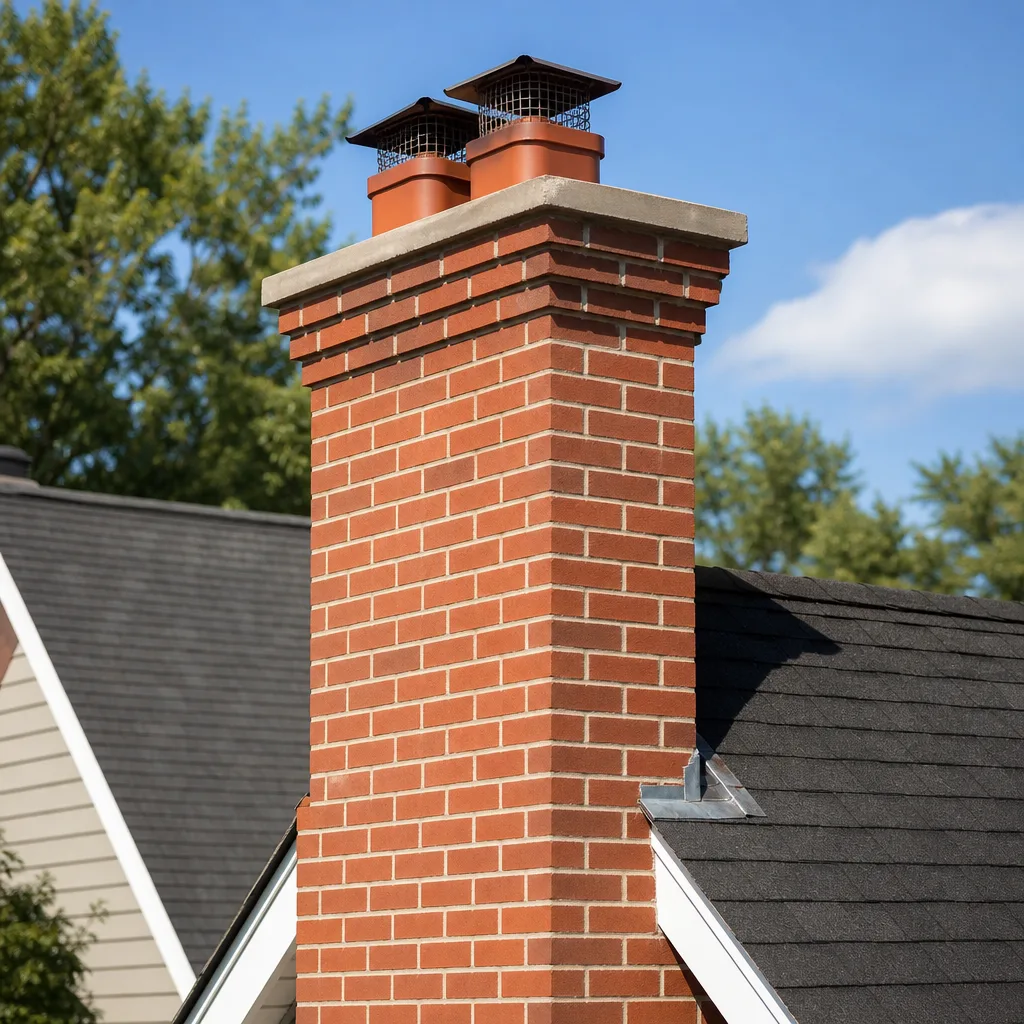
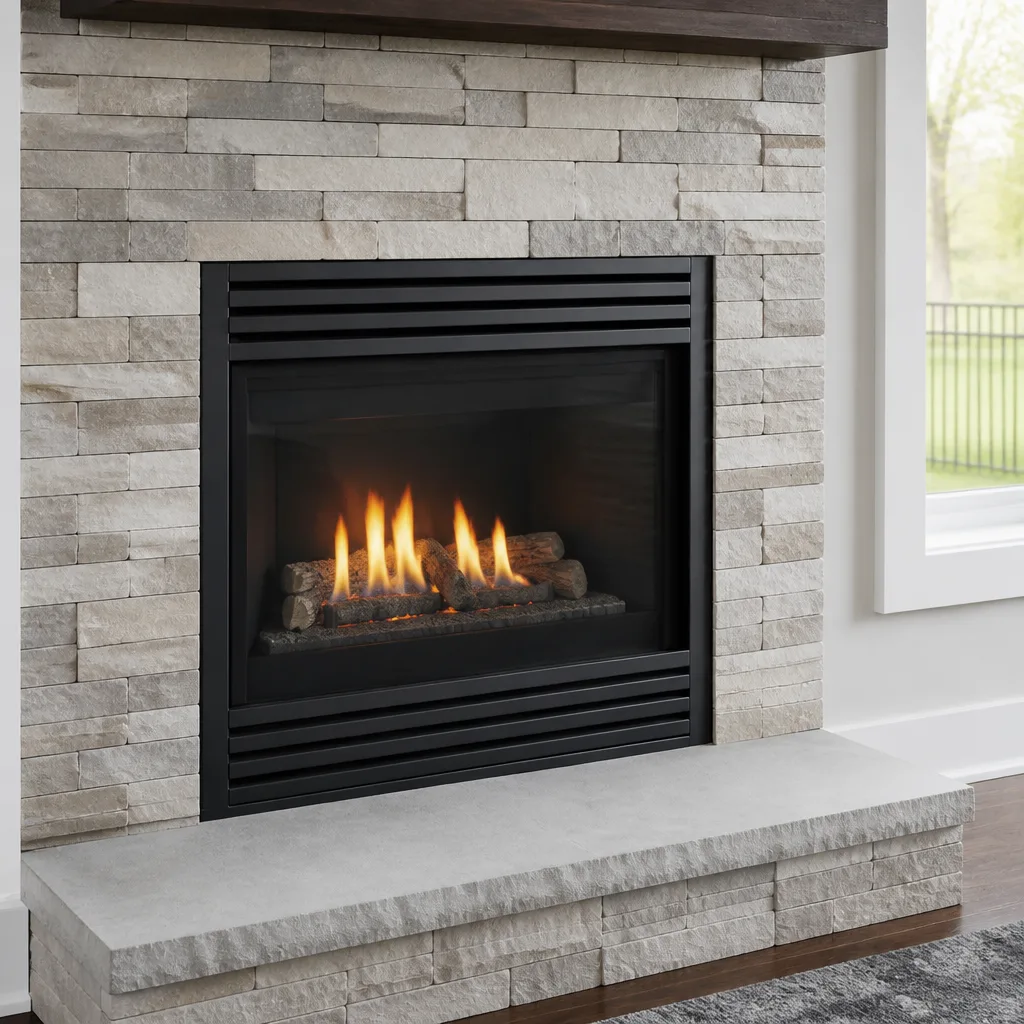
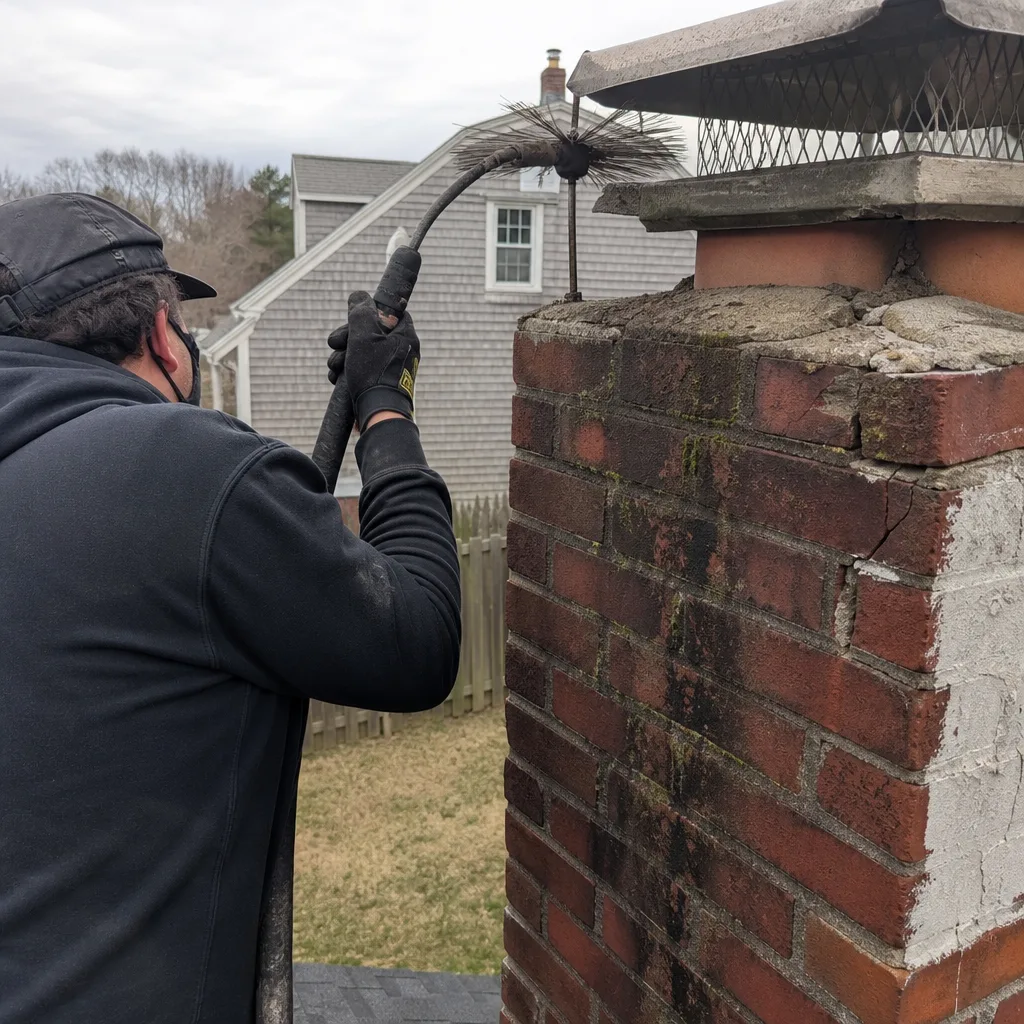 Before
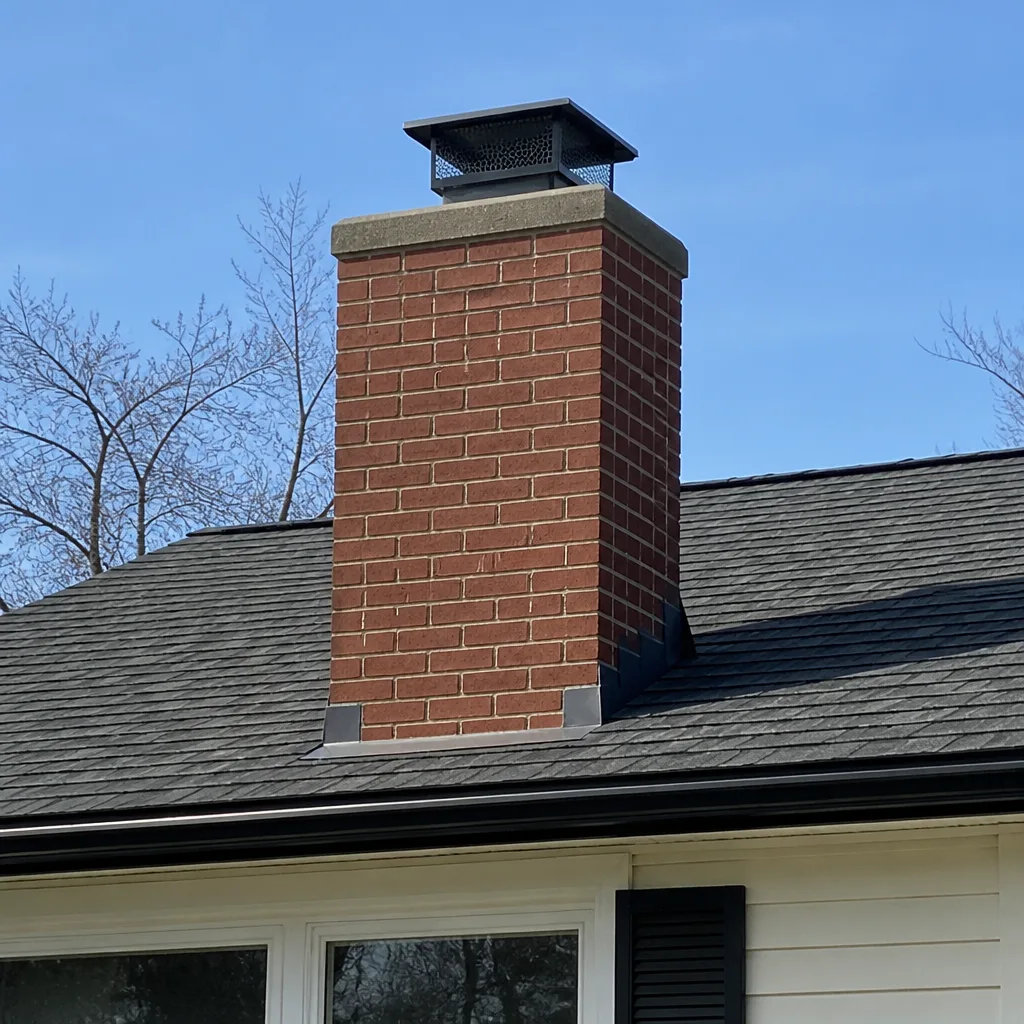 After
After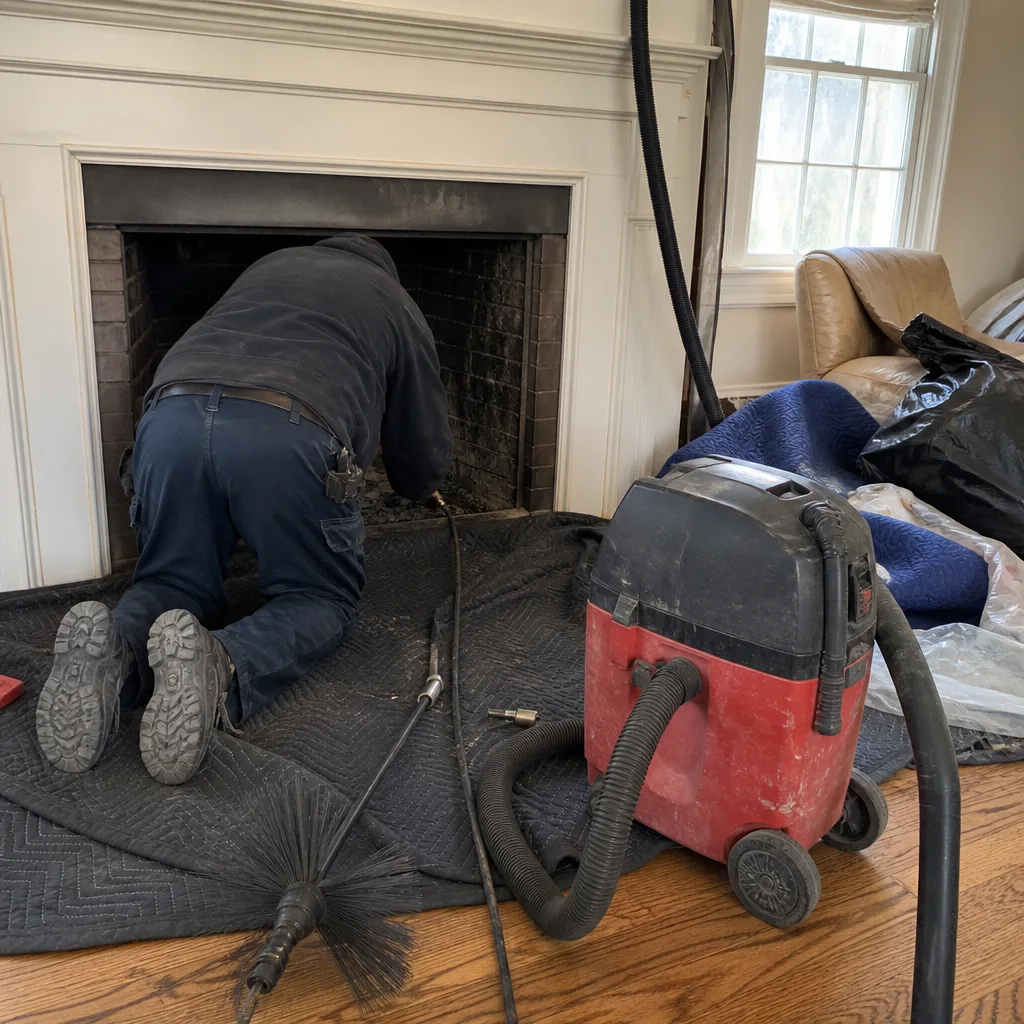 Before
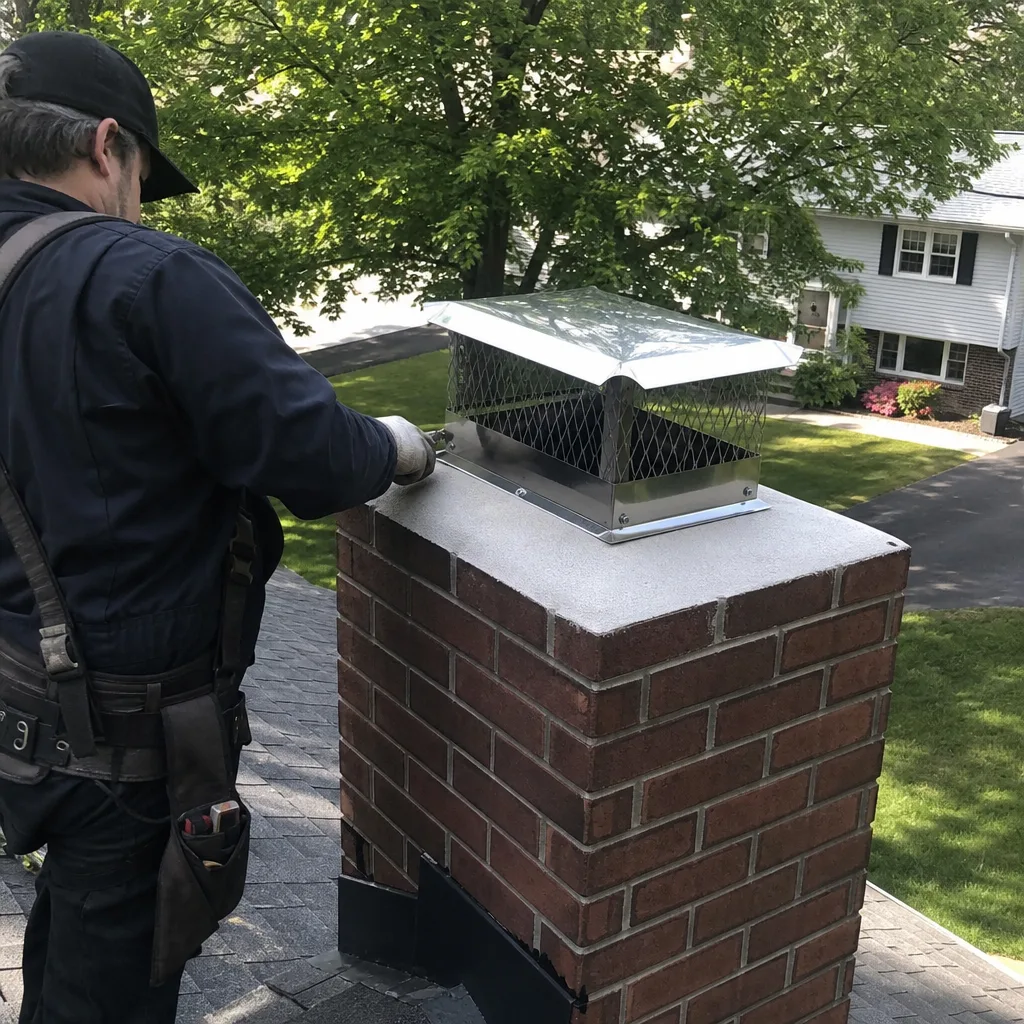 After
After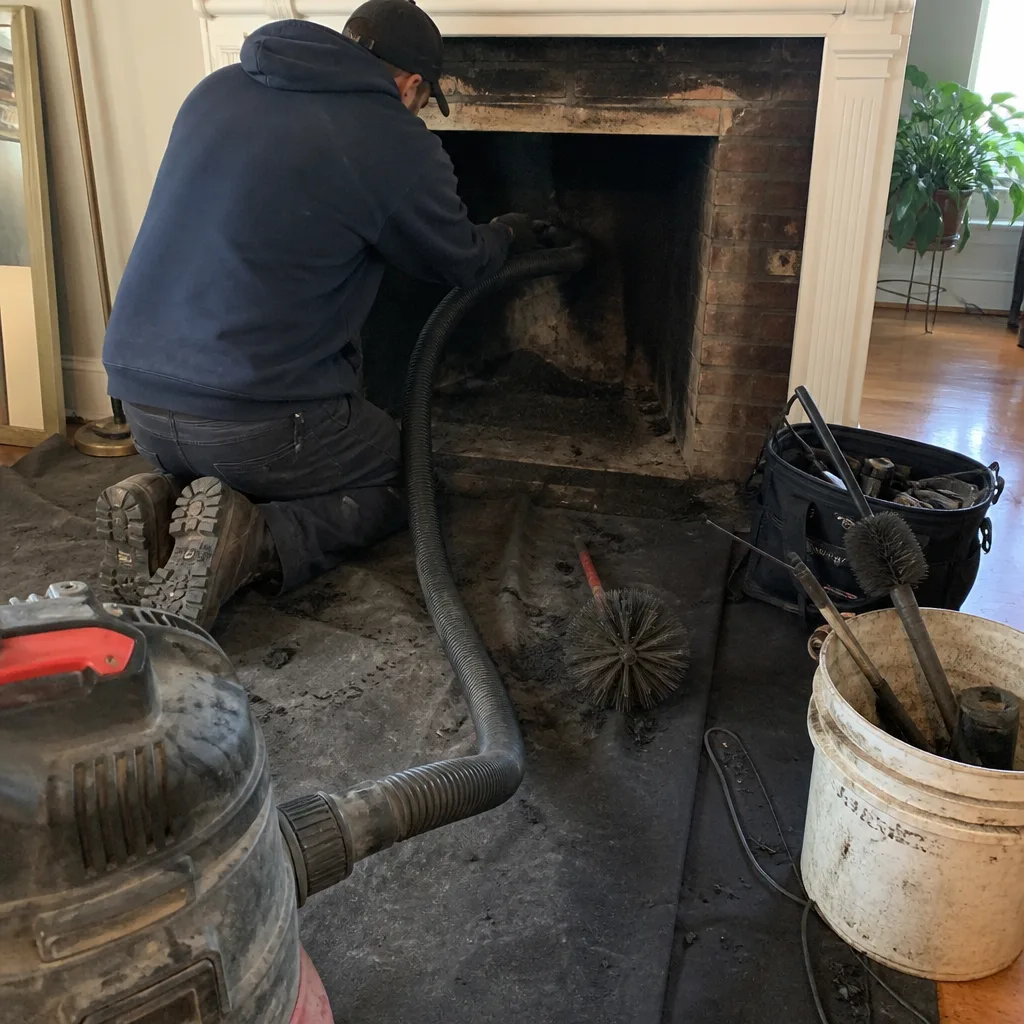 Before
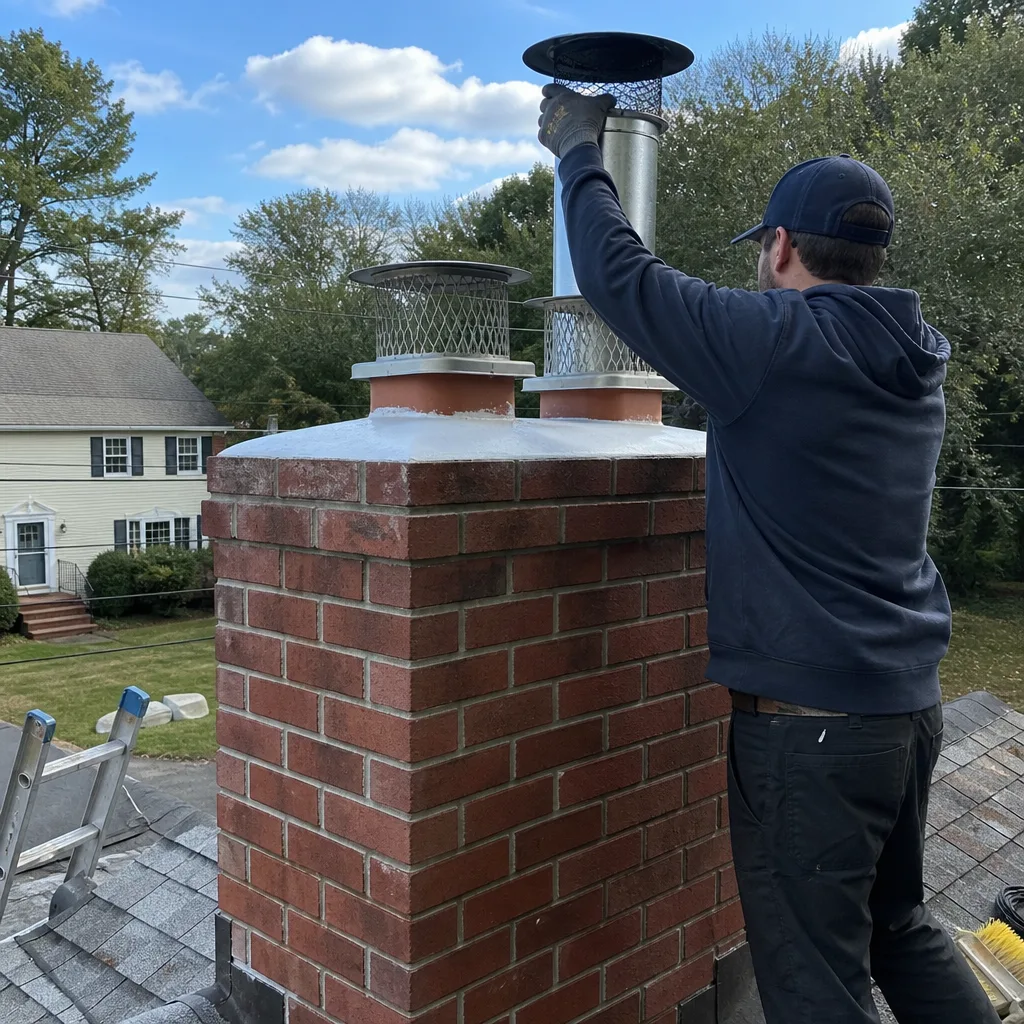 After
AfterChimney Cleaning & Sweep Maintenance Checklist for Natick Homeowners
Here’s a truth most homeowners learn the expensive way: your chimney does not send you a reminder. It does not beep, flag a warning on an app, or leave a note on the counter. It just sits there, quietly accumulating creosote, absorbing rain, and developing cracks in places you cannot see from the driveway. Wendell hears the same sentence at least twice a week when he walks into a Natick home for the first time: “We didn’t know we were supposed to be keeping track of anything.” That gap, the simple absence of written observations and questions, is exactly what turns a $249 sweep into a $4,200 liner job. This guide fixes that. You will learn what to look at from your living room floor, what to write down, what to ask after every sweep, and how to keep the records that make the difference between catching a problem in September and discovering it in January when the fireplace is the only warm thing in the house.
Quick Answer
A chimney maintenance checklist for Natick homeowners means three things: an annual Chimney Cleaning & Sweep and inspection by a certified professional, a written log of fireplace usage and any visual changes you notice, and a file holding every sweep report, inspection level, and liner document you have ever received. Do those three consistently and you catch creosote buildup, water intrusion, and deteriorating liners months or years before they become structural problems.
Table of Contents
- Why Natick’s Climate Is Harder on Chimneys Than Most Homeowners Realize
- The Month-by-Month Chimney Maintenance Schedule for Natick
- What to Safely Observe From Inside the Firebox (No Tools, No Ladder)
- The Three Documents Every Natick Homeowner Must Keep on File
- How to Log Fireplace Usage So Your Sweep Can Make an Accurate Recommendation
- Questions to Ask Your Sweep After Every Visit (Not Just “How Bad Was It?”)
- Common Mistakes to Avoid
- When to Call a Professional
- Frequently Asked Questions
Why Natick’s Climate Is Harder on Chimneys Than Most Homeowners Realize
Natick sits in the sweet spot for chimney damage. We get real winters with ice and snow, humid summers that push moisture into masonry, and the freeze-thaw cycle that turns a hairline crack into a structural problem in about three seasons. Here is the sequence Wendell sees over and over in neighborhoods like Walnut Hill, Sherwood, and the streets near Dug Pond: water gets into the crown or a popping brick during a hard rain, sits in the masonry, then freezes overnight in February. Water expands about 9 percent when it freezes. That expansion pushes the crack wider. Next season, more water gets in, freezes again, and widens it further. After three or four seasons, you have spalling bricks and a crown that looks like crumbled coffee cake.
Creosote builds differently here too. Natick homeowners who burn wood in shoulder seasons, October and April, often run cooler fires because they just want to take the chill off the living room. Cooler fires produce more creosote than hot fires. That creosote condenses on the flue walls, and if you never bring in a sweep because the fire looks fine and the house stayed warm, you enter year two, year three, and year four with a lining that is getting thicker every burn. The fireplace does not care that the fire looks good. It cares how it breathes.
This is why an annual sweep is the floor, not the ceiling, of maintenance in Natick. The climate here does more work against your chimney than the climate in drier parts of the country. A homeowner in Phoenix can skip a year and generally escape with a dusty cap. A homeowner in Natick who skips a year gets water in the crown, creosote on the walls, and a rusty damper in May.
The Month-by-Month Chimney Maintenance Schedule for Natick
Generic four-season advice is not useful because it does not match what actually happens to a chimney around here. Natick’s weather has its own calendar. Here is the month-by-month rhythm that matches the seasons we actually live through.
- April: The burning season is over. This is the best month to book a sweep and a Level 1 inspection. Creosote has had all winter to harden, and the sweep can remove it before it glazes into third-degree creosote that requires chemical treatment. April also gives you months to fix anything the inspection finds, before next season.
- May: Inspect the exterior. Look at the crown for cracks, the bricks for spalling, and the flashing where the chimney meets the roofline. Walk around with a pair of binoculars if you have them. Write down anything that was not there last year.
- June: Check the cap and screen. Birds and squirrels are nesting now, and a damaged cap is how they get in. If you hear scratching or chirping in May or June, that is likely the culprit, not a ghost in the attic.
- July: Checkg firebox interiors with a flashlight. Look for cracked firebrick, rust on the damper, and any water stains that mean the crown or flashing leaked during spring rain.
- August: Book a repair if the April inspection or any of your own observations turned up an issue. Do not wait for September. The month before burning season is a blackout period for good sweeps, book in August and you get a calm, unhurried repair before the first fire.
- September: Run a quick visual check of the flue with a flashlight from inside the firebox. Burn a “test fire” on the first cold night and watch for smoke coming into the room instead of going up the flue. If smoke rolls out, call before you burn again.
- October: Begin the burning season with a clean flue and a written record of what the sweep found in April. If you skipped the April sweep, schedule it now, before the real cold sets in.
- November through March: Log every fire. Note the type of wood, how long the fire burned, and anything unusual you see, smell, or hear. Keep the log near the fireplace or on a sticky note in your file. This is the data your sweep needs to make a real recommendation next spring.
This rhythm matches how Natick actually lives. We get October fires, January long burns, and April shoulder-season fires. The chimney wears in patterns, and your maintenance should track those patterns, not a generic calendar.
What to Safely Observe From Inside the Firebox (No Tools, No Ladder)
You do not need to be an inspector to be useful. You just need to know what to look for and what to record. Here is what Wendell tells Natick homeowners to check from the comfort of their living room floor, no ladder required, no tool bag, no danger.
Once a month during burning season, shine a flashlight up the flue and look for:
- Creosote color and texture. First-degree creosote is flaky and brown or black. Second-degree is shiny, bubbly, and looks like dark popcorn, a little harder to remove. Third-degree is a hard, glassy glaze that a brush alone will not remove. First-degree is a brush job. Third-degree is a glaze, catch it early.
- Water staining on the firebox walls or floor. Rust streaks, white mineral deposits, or damp patches mean water is getting in somewhere. It is usually the crown, the flashing, or a missing cap.
- Rust on the damper. A damper that is hard to move or shows orange rust is telling you moisture has been sitting in the firebox. That moisture travels and corrodes more than the damper.
- Cracked or missing firebrick. The white or cream bricks lining the firebox take direct heat. A crack wider than about 1/8 inch or a missing section can expose the outer masonry to temperatures it was not built to handle.
- Debris in the flue. Leaves, twigs, or nesting material near the top. This means the cap is damaged or missing, and whatever you can see is only the top of what may be deeper inside.
What should you write down? The date, what you observed in one sentence, and whether it changed since last month. “November 14: creosote looks flaky, dark brown, no change from October.” That one sentence, written once a month, gives your sweep a timeline when they walk in the door. It is the difference between a guess and a diagnosis.
Safety note before you start.
Never attempt to scrape or remove creosote yourself. Never burn a product that claims to clean your chimney by igniting the creosote. Those “chimney cleaning logs” that crackle and flare up are not a substitute for a real sweep; at best they loosen a little first-degree creosote, and at worst they start a chimney fire. Leave the scraping, brushing, and inspection to a trained professional. Your job is observation, not intervention.
The Three Documents Every Natick Homeowner Must Keep on File
Most homeowners have a folder full of appliance manuals, furnace receipts, and water heater paperwork, and nothing for the chimney. If there is one change that saves Natick homeowners the most money over the life of a house, it is keeping three documents in one labeled folder.
Document 1: The Last Sweep Report
Every professional sweep should hand you a written report after the visit. It should include the date, the level of creosote found (by degree), how much was removed, the condition of the flue, and any recommendations. Keep every report. Do not throw out last year’s just because you got a new one this year. The sequence tells the real story. If the report three years ago said “moderate second-degree creosote” and this year’s says “heavy third-degree,” that pattern tells you something changed. Maybe you switched wood. Maybe you are burning cooler fires. Either way, the trail matters.
Document 2: The Inspection Level Completed
There are three levels of chimney inspection, and most homeowners never learn which one they paid for. A Level 1 inspection is the standard visual check done during a routine sweep, no tools beyond a flashlight and maybe a camera. A Level 2 inspection uses a camera to look inside the flue from top to bottom and is required by most local codes when you buy or sell a home, or after a chimney fire, earthquake, or major structural event. A Level 3 inspection involves opening a wall or part of the flue, reserved for severe damage where a camera cannot see enough. Your file should note which level was completed on which date. If you bought your house in Natick and never got a Level 2, now is the time to file one.
Document 3: Liner Documentation
If your chimney has a stainless steel liner or you have ever had one installed, keep the paperwork that says what brand it is, what size it is, and who installed it. Wendell works with liners from DuraFlex and Copperfield, and the documentation matters. If the old liner fails, if you have a chimney fire, if you sell the house and the buyer asks about the liner, that piece of paper saves hours of guesswork and sometimes thousands of dollars. No documentation means the next sweep has to run a camera up to identify what is in there, and you pay in time and effort for what a file folder could have told you in ten seconds.
Keep all three documents in one place, a manila folder labeled “Chimney” tucked next to the water heater paperwork. That is the whole system. Simple enough that you will actually do it, specific enough that it saves real money.
How to Log Fireplace Usage So Your Sweep Can Make an Accurate Recommendation
The question every sweep gets asked is “Do I need to clean it this year?” And the honest answer depends on usage. A fireplace that burned 60 hot fires last winter needs a different recommendation than one that burned 12. The problem is that most homeowners remember only the big fires, the Christmas Eve long burn, the February snow day fire, and forget the shoulder-season fires that actually build creosote fastest.
Here is the logging method Wendell recommends to Natick homeowners. It takes 30 seconds per entry and gives your sweep data no one else will have.
The Fireplace Log Sheet
Keep a small notebook or a printed sheet near the fireplace. After every fire, write down:
- Date: Just the date. “Nov 3.”
- Duration: “2 hrs” or “all evening.”
- Wood type: “Seasoned oak” or “grocery store bundle” or “mix from last year’s pile.” The type and dryness of wood changes creosote production significantly.
- Any smell or smoke behavior noticed during or after. “Slight smoky smell in the room for an hour after the fire.”
That is it. Four columns. Thirty seconds. At the end of the season, you have a real record. Your sweep walks in, glances at the log, and knows exactly how hard the flue worked. A homeowner who logs 55 fires with occasional smoky smells gets a different conversation than one who burned 15 fires of seasoned hardwood with no smoke issues. The sweep can recommend a cleaning interval based on your actual usage, not a default “once a year” that may be too often or too little.
The log also helps you catch problems before they become emergencies. If you notice “smoky smell in the room” on three consecutive entries, that is a pattern. It might be a damper issue, a flue obstruction, or a drafting problem. You have the record to point to when you call.
Questions to Ask Your Sweep After Every Visit (Not Just “How Bad Was It?”)
Most homeowners get their sweep done, pay the bill, and go back to the couch. The sweep hands them a receipt and they have gained almost nothing from the visit except a cleaner flue. The real value is in the information the sweep is carrying around in their head. For more guides & resources, see our blog. Here are the questions Wendell wishes every Natick homeowner would ask him after every visit:
- “What level of creosote did you find, and what does that mean for how I am burning?” This question turns a service into a lesson. If the sweep says “first-degree,” burn more hot fires with dry wood. If they say “third-degree,” ask about treatment beyond brushing.
- “Show me on the camera where the problem is.” Nothing is recommended without camera evidence a homeowner can see for themselves. At Top Hat Chimney, we run a camera on every inspection and walk you through the footage. You should never take a liner recommendation on faith. Ask to see the screen.
- “Is there anything I should watch for before next year?” A good sweep will point out the hairline crack in the firebrick or the slightly rusting damper and tell you what to watch. That is free information that saves you a bigger call later.
- “Does this need attention now, or can it wait a year?” Sweeps are in the business of finding problems, and a less honest one will inflate urgency. This question forces the sweep to give you a straight answer, and if they hesitate, you have learned something about them.
- “What level inspection did you just complete, and would you recommend a higher one?” You now know the three levels. Ask which one you got and whether the condition warrants a closer look. This is how you ensure you are not paying for a Level 2 and getting a Level 1.
Call if you do not get straight answers. Honestly, call a different sweep. The point of the visit is information, not just soot removal. A sweep who will not answer questions is not worth the money, no matter how clean the flue looks afterward.
Common Mistakes to Avoid
- Burning unseasoned wood. Green wood from a tree that fell last month produces steam and heavy creosote. Seasoned wood, split and stacked for at least six months, burns hotter and cleaner. In Natick, wood stacked outside uncovered gets wet, so cover the top of the pile.
- Skipping the spring sweep because “burning season is over.” Once a year, burn or no burn. Chimneys break in the off-season too. Water sits in the crown, animals move in, and creosote hardens into glaze while you are not looking.
- Using the fireplace as a trash incinerator. Burning wrapping paper, cardboard, and treated lumber produces chemicals and fly ash that coat the flue and create a chimney fire hazard. The fireplace is not a dumpster.
- Relying on “chimney cleaning logs” instead of a real sweep. Those crackling logs do not remove creosote. They loosen a little first-degree buildup at best, and they give homeowners a false belief that the flue is clean when it is not.
- Not keeping records, receipts, and reports. Every visit that does not leave a written record is a lost opportunity. A file folder costs a dollar and saves you thousands.
- Waiting until September to book a repair. Every chimney professional in Natick is booked from September through November. If your April inspection found a cracked crown, book the repair in May or June and enjoy a finished job before the first frost.
- Ignoring water stains because “it’s just a little moisture.” Water in a chimney is never just a little moisture. It is the slow death of your liner, firebox, and masonry. A water stain in June is a liner replacement in February if left alone.
When to Call a Professional
You need a professional when you see any of these warning signs covered in our Chimney Cleaning Warning Signs: A Natick Homeowner’s Reference Guide: smoke rolling into the room instead of up the flue, a strong campfire smell when the fireplace has not been used in days, water or rust in the firebox after rain, visible cracks or spalling on the exterior chimney, animals nesting in the flue, or creosote that looks glassy and hard instead of flaky. You also need a professional for the annual sweep and Level 1 inspection, even if everything looks fine. These are not things to put off. Top Hat Chimney offers free estimates in Natick, call (781) 378-5846, and Wendell or his crew will give you an honest read on whether it needs doing now or can wait.
Frequently Asked Questions
A standard chimney cleaning and Level 1 inspection in Natick typically runs between $200 and $350, depending on the chimney height, the amount of creosote, and any additional inspection work. Top Hat Chimney gives you upfront pricing before any work begins, and a no trip charge inside the county. Call (781) 378-5846 for a free estimate and you will know the number before the truck arrives.
Once a year, burn or no burn. The National Fire Protection Association recommends an annual inspection and cleaning for wood-burning fireplaces, and Natick’s freeze-thaw cycles and shoulder-season humidity make that annual visit more important, not less. If you burn more than 50 fires per year or burn green wood, you may need a mid-season cleaning.
This is the question Wendell hears most in Natick, and the answer depends on camera evidence. A proper inspection shows the flue interior on screen. You can see cracks, gaps, or corrosion with your own eyes. If a sweep recommends a liner without camera footage, ask to see it. If they cannot show it, get a second opinion. Top Hat Chimney provides a free second opinion on any written estimate, so if you have a quote that seems high, bring it in and we will show you what is actually going on.
You can, technically, but you should not. A proper sweep requires getting on the roof with the right brushes, rods, and safety equipment, and the real value of a professional visit is the inspection, not just the brushing. The camera footage and a plain-English verdict, every time, no exceptions. That is what you are paying for, and a DIY brush job from the firebox will not catch a cracked liner or a deteriorating crown.
In Natick, skipping a year means creosote builds another season, any existing water intrusion worsens through another freeze-thaw cycle, and any animal nests or debris stay in place. You might get away with it for a year or two. You might not. The homes where Wendell finds third-degree creosote glaze and cracked crowns are almost always homes that skipped two or three years in a row. The problem compounds, and the repair cost compounds with it.
Wendell and his crew work with trusted industry brands including DuraFlex and Copperfield, selected for durability and fit. The right liner brand and size depends on your flue dimensions and what you burn, and Wendell will show you the options and the reasoning before any work begins. Call (781) 378-5846 for a free estimate on liner installation or repair in Natick.
The Bottom Line
A chimney maintenance checklist for Natick homeowners comes down to three habits detailed in The Complete Guide to Chimney Cleaning in Natick: an annual sweep and inspection by a professional, a monthly visual observation you write down, and a file folder with every sweep report, inspection level, and liner document you ever receive. None of this is complicated. None of it takes more than a few minutes a month. But the difference between doing it and not doing it is the difference between a $249 sweep in April and a $4,200 liner replacement in January. Natick’s climate is hard on chimneys, and the best time to start the habit is this month, whatever the month happens to be. If you have no records, start a file today with whatever paperwork you can find. If you have never had a Level 2 inspection and you bought your house years ago, schedule one. And if you want a sweep who will show you the camera footage and tell you plainly what needs doing now and what can wait, call Top Hat Chimney at (781) 378-5846. Ask anyone on your street.
Written by Wendell Pike, Owner at Top Hat Chimney, serving Natick since 1999.