
Last updated September 10, 2026
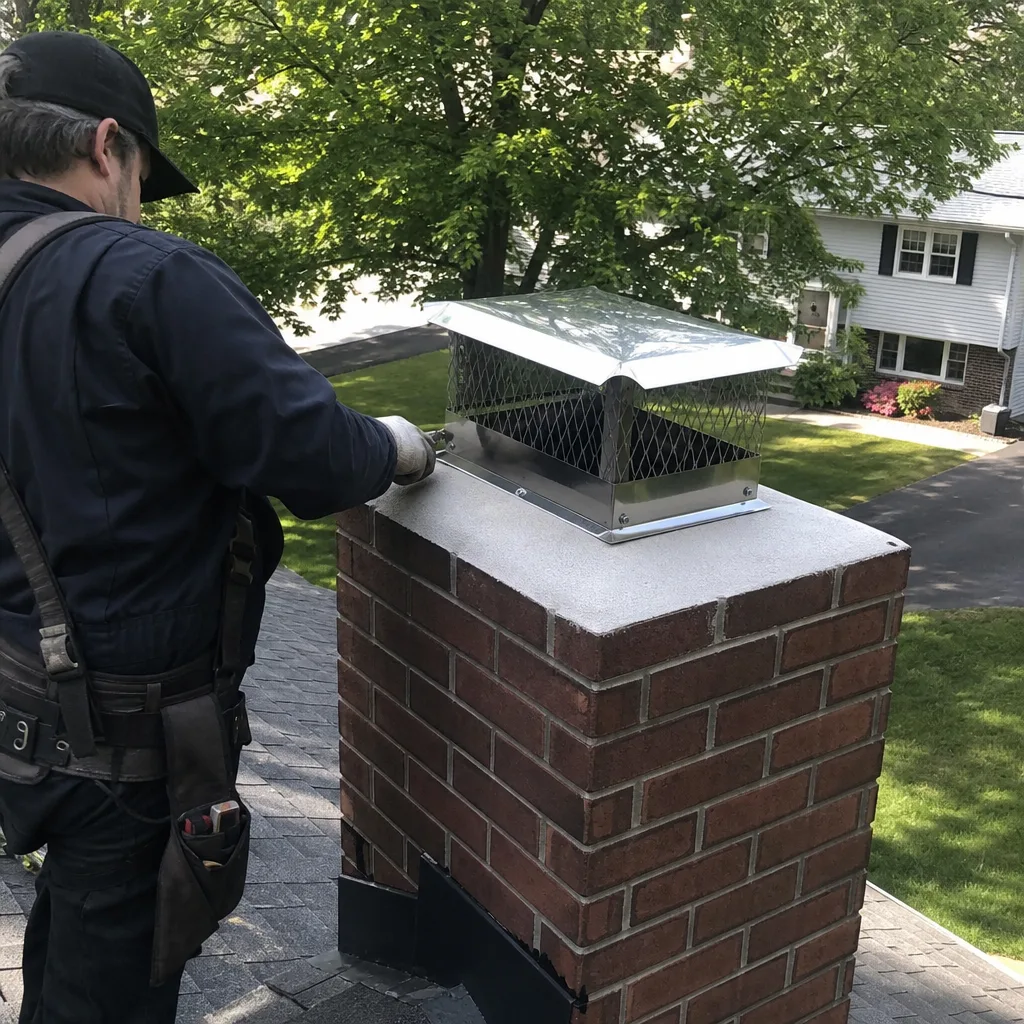
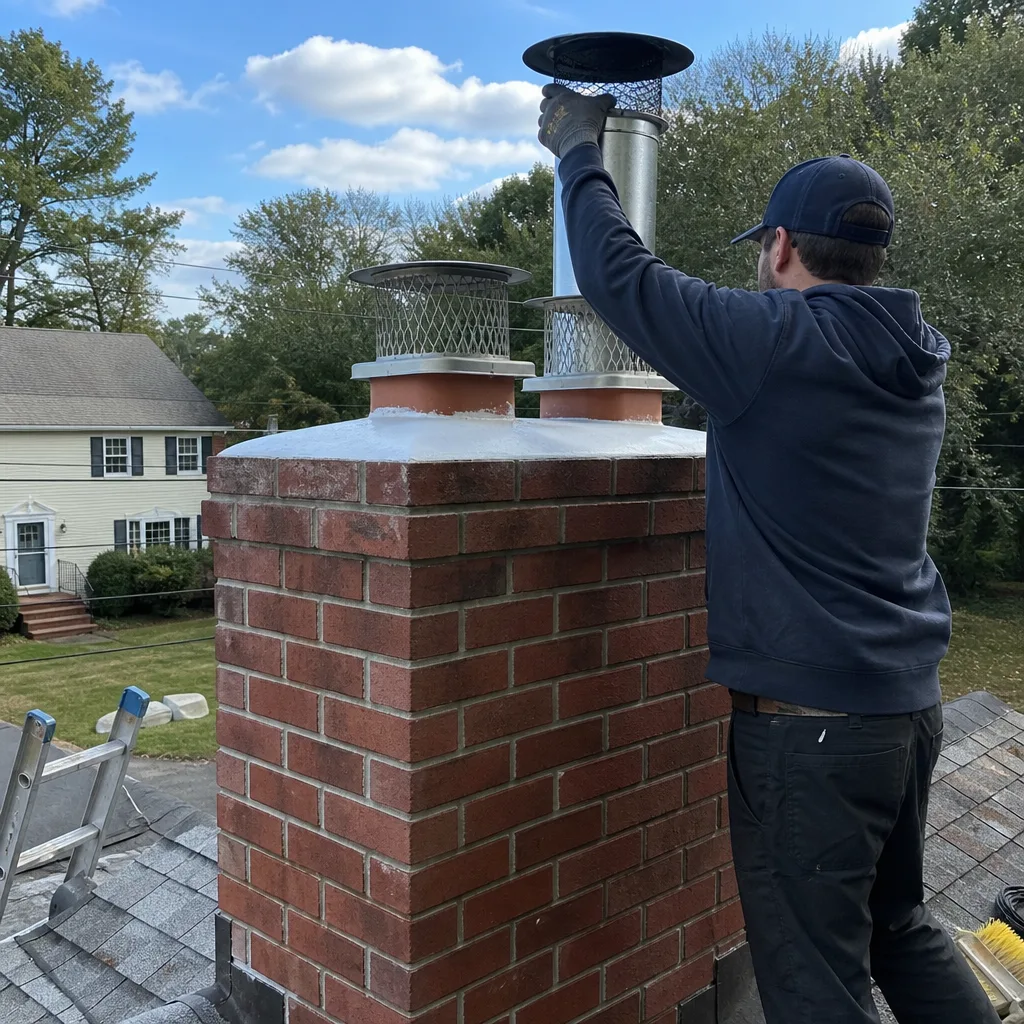
Level 1 sweep and inspection to the NFPA 211 annual standard - flue, crown, cap, and flashing checked and photographed
Chimney sweep logs do not sweep chimneys. They loosen some creosote - which then falls where a brush and vacuum still have to collect it.
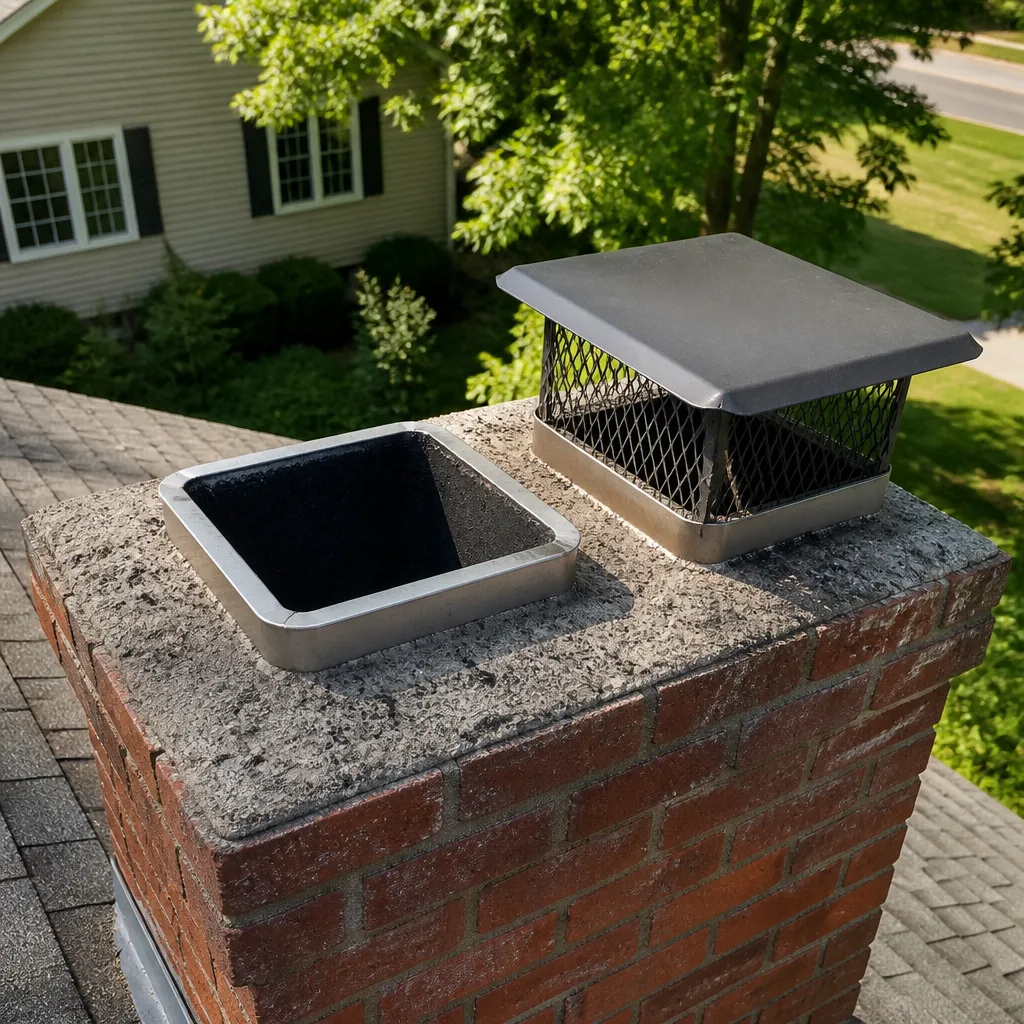
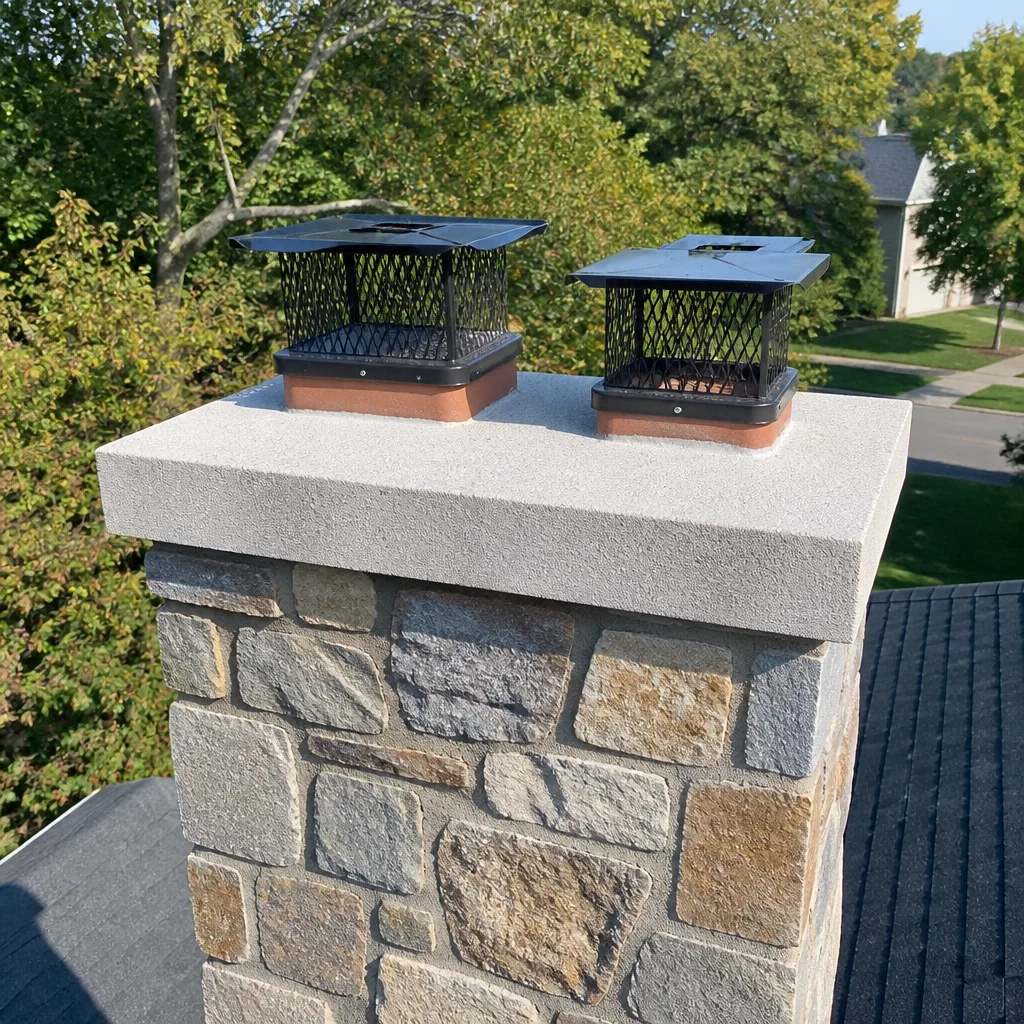
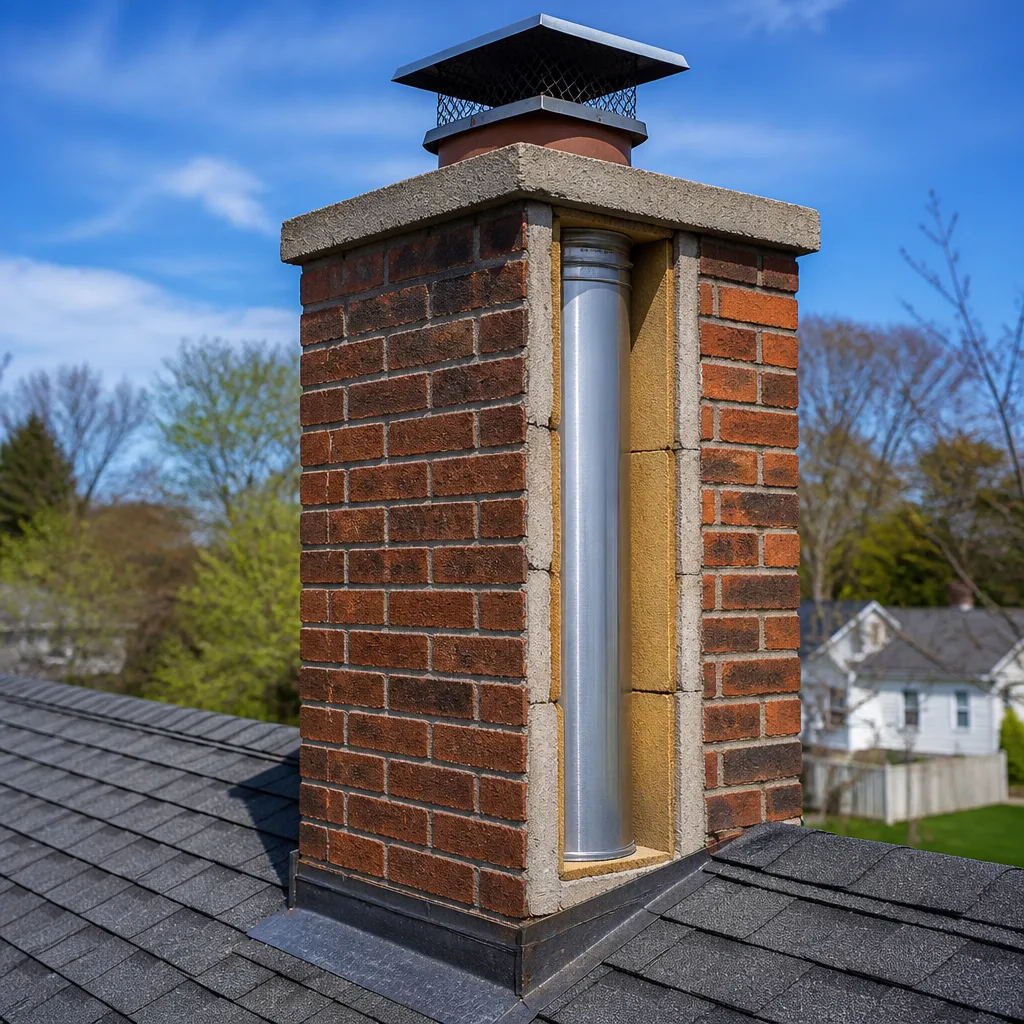
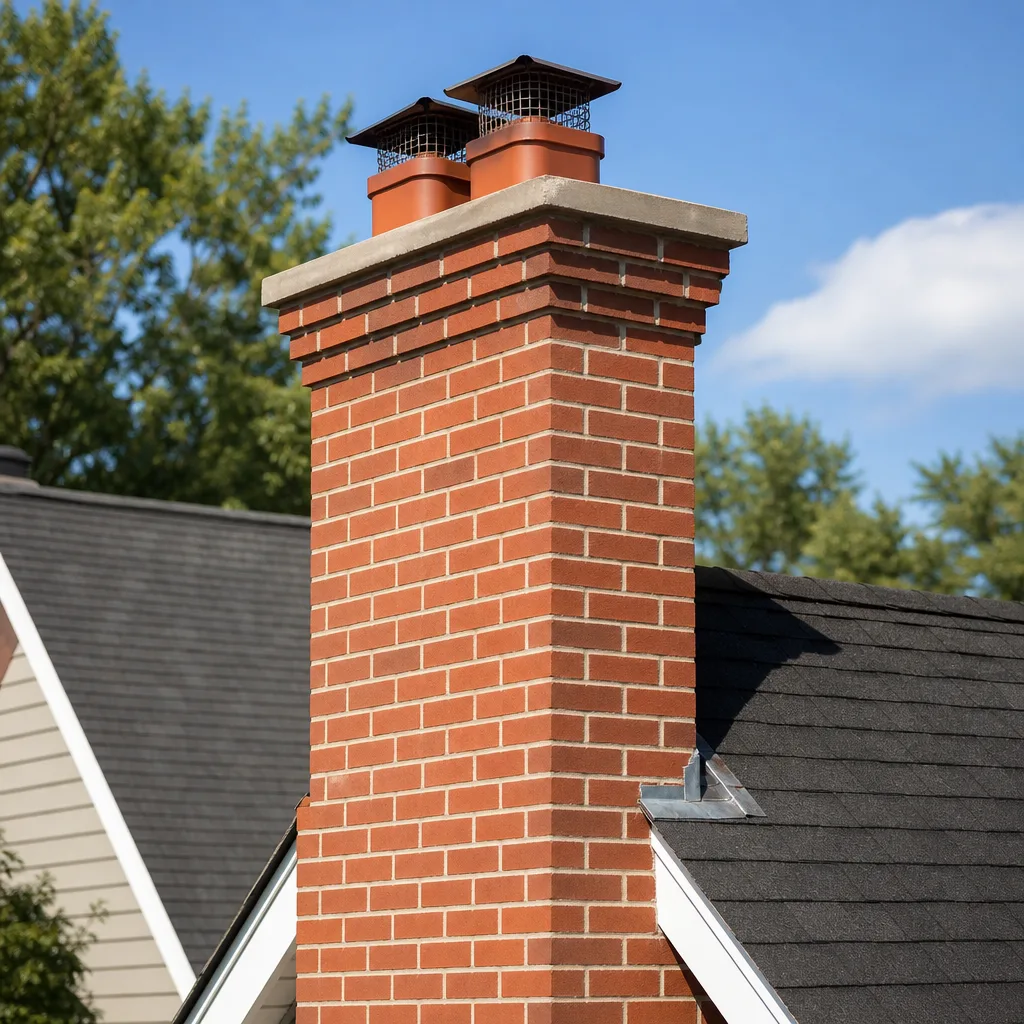
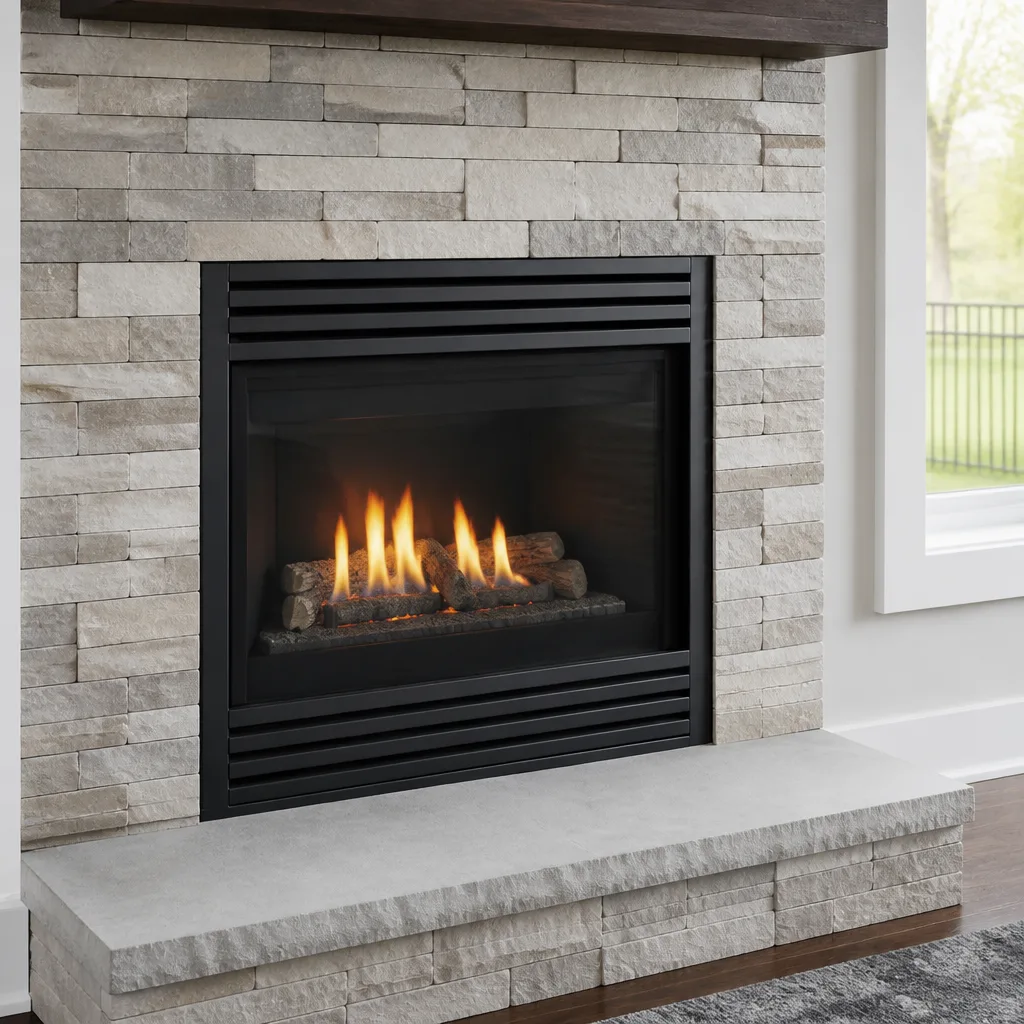
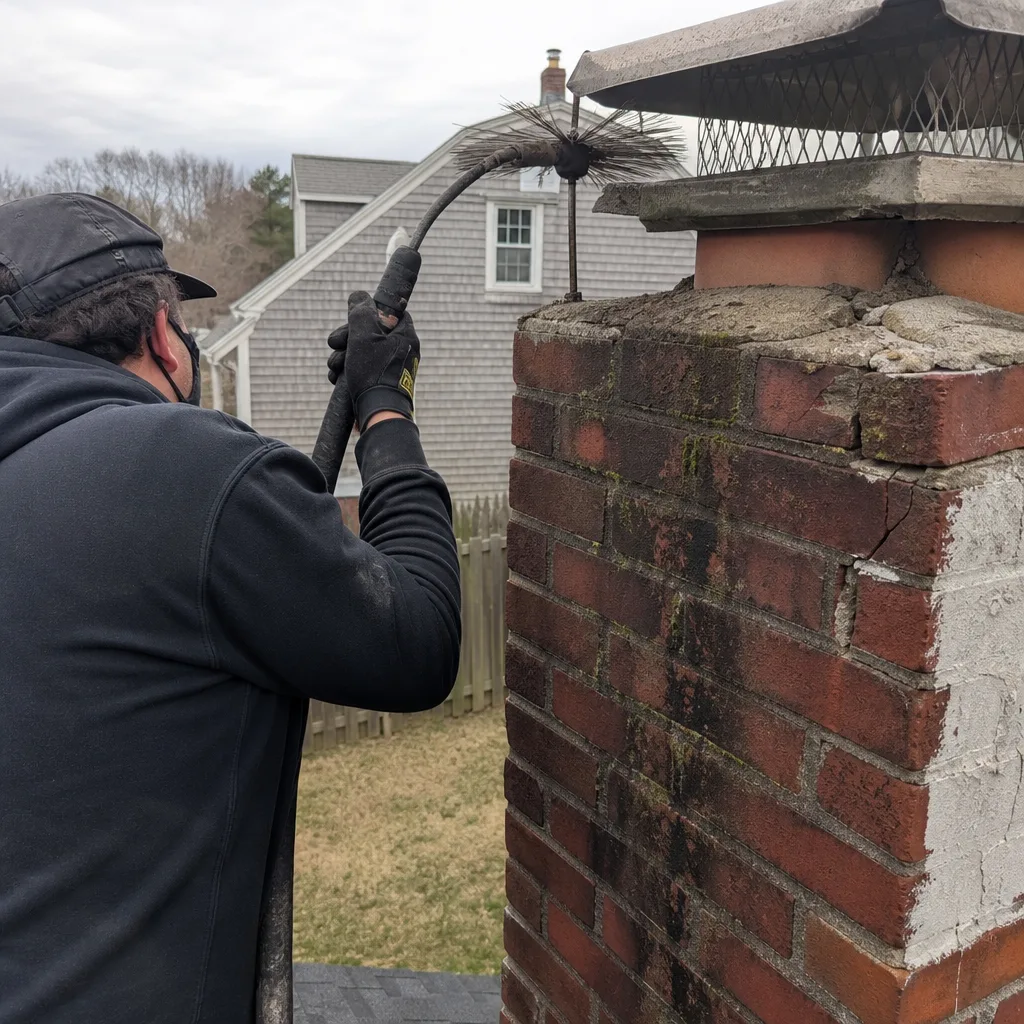 Before
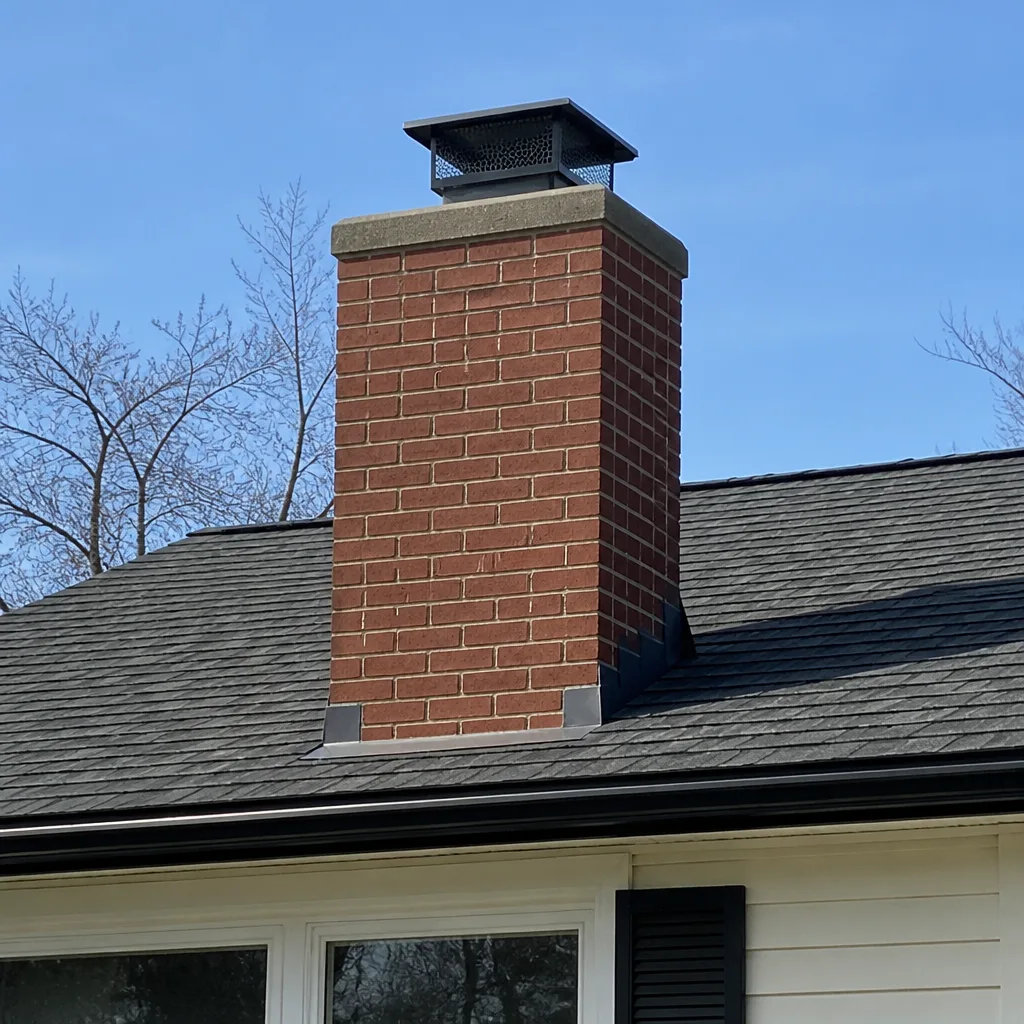 After
After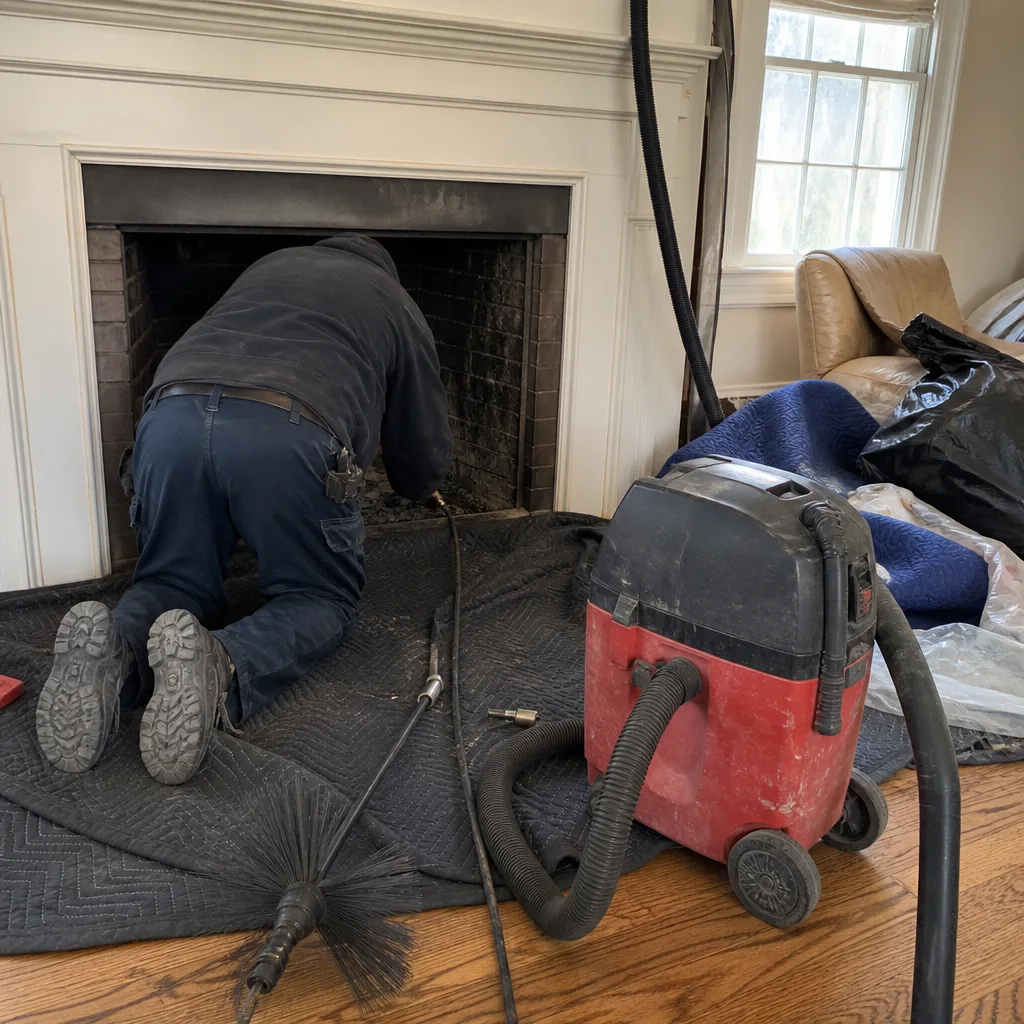 Before
 After
After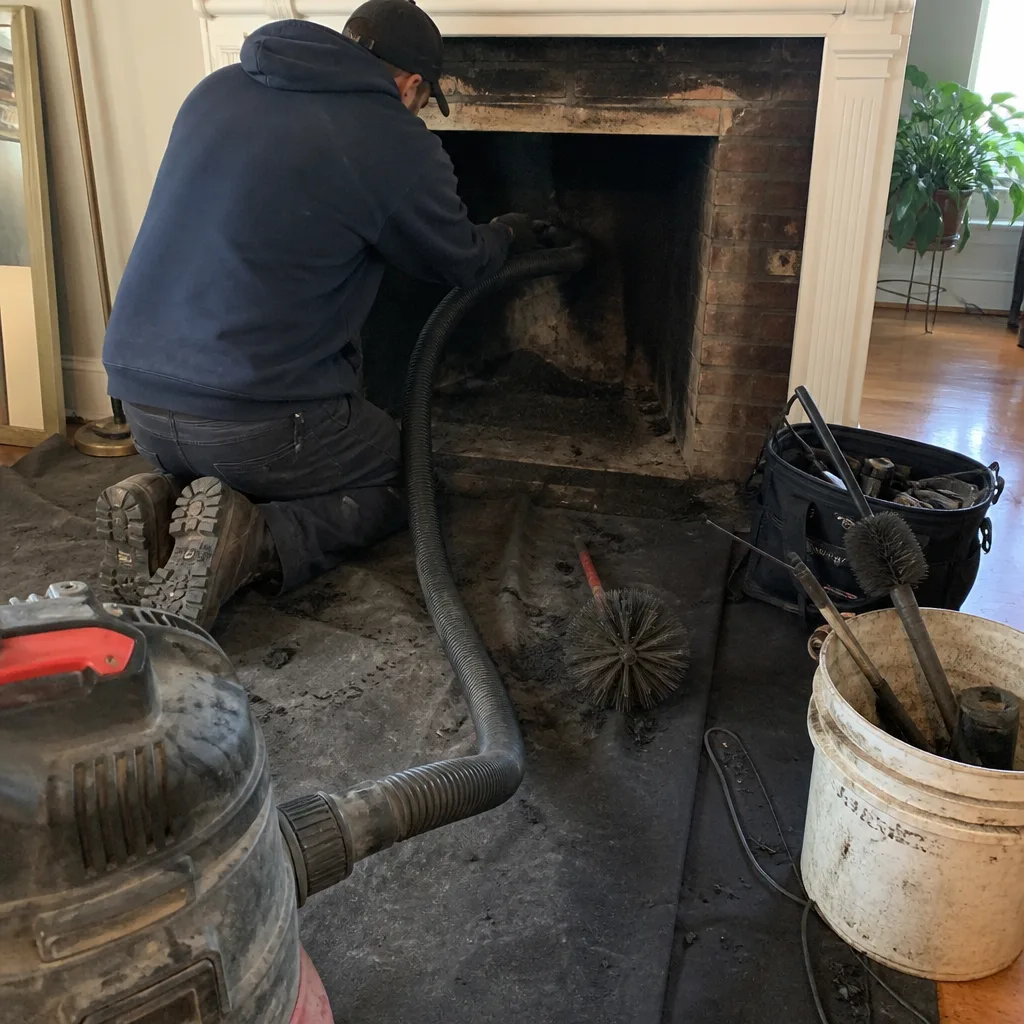 Before
 After
AfterChimney Cleaning Warning Signs: A Natick Homeowner’s Reference Guide
Here’s something most Natick homeowners don’t realize: your chimney is the only part of your house that’s designed to contain fire on the inside while standing exposed to everything New England weather throws at it on the outside. That’s a hard job, and the structure doesn’t always win. The warning signs it sends are rarely dramatic. No loud alarms, no sudden collapses. Just small things: a smell that comes and goes, a stain that wasn’t there last spring, a sound you hear only when the wind blows from the east. Most people dismiss these things as normal. This guide will show you which ones aren’t. By the time you finish, you’ll know exactly what to look for, what to ignore, and when a chimney in Natick needs a sweep before it needs something far more expensive. For The Complete Guide to Chimney Cleaning in Natick, see our dedicated resource.
Quick Answer
The most common chimney warning signs Natick homeowners miss are a campfire smell inside the house when no fire is burning, white staining on exterior brick, a popping or ticking sound from the chimney during temperature swings, and visible creosote buildup that looks like shiny tar or crusted flakes inside the firebox. If you notice any of these, the chimney needs professional inspection. Left alone, these issues progress from a $200 sweep to a $2,000 liner job faster than most people expect.
Table of Contents
- The Smell That Isn’t Your Imagination
- White Staining on Brick: The Water Problem Hiding in Plain Sight
- Sounds from the Chimney: Settling vs. Stress
- Creosote Buildup: What You Can Spot from the Firebox
- Draft Problems: Chimney Issue or House Pressure Issue?
- Seasonal Warning Signs in Natick’s Climate
- Common Mistakes to Avoid
- When to Call a Professional
- Frequently Asked Questions
- The Bottom Line
The Smell That Isn’t Your Imagination
A smoky smell in an unused room during a rainstorm isn’t your imagination, and it isn’t leftover residue from last winter’s fires. It’s a draft reversal. That’s when air that should be rising up and out of the chimney gets pushed back down into the house instead. Two things cause it in Natick homes more than anything else, and they’re very different problems with very different price tags.
The first cause is a cracked or deteriorated flue liner. When the liner that carries smoke and gases up and out develops gaps or cracks, those gases find their way into the wall cavity between the flue and the house. Rain and humidity drive the smell downward, and it seeps into rooms that may be nowhere near the fireplace. The fix is a liner repair or replacement, and the longer it waits, the more the surrounding masonry absorbs. The second cause is a capped-off flue that wasn’t sealed correctly, or a damper that’s rusted partially open. This is far less serious, but it still needs a look. A sweep can tell the difference in about twenty minutes.
Here’s the thing most people get wrong: they assume the smell means the chimney just needs sweeping. Sometimes it does. But a smell during non-use, especially during rain or high humidity, points to a structural issue more often than a dirty flue. The Chimney Cleaning & Sweep in Natick service we run through Top Hat Chimney always pairs the sweep with a camera inspection precisely because of this. The footage tells us whether that smell is creosote or a cracked liner, and you get a plain-English verdict either way.
What Most People Assume vs. What It Actually Indicates
- Assumption: “The chimney just needs a good cleaning.” Reality: If the smell happens when the fireplace hasn’t been used in months, especially during rain, the odds point to water intrusion or liner damage rather than buildup alone.
- Assumption: “Old houses just smell like smoke sometimes.” Reality: Houses built in the 1940s through 1970s, which are common throughout Natick’s older neighborhoods, often have original clay tile liners that are now six or seven decades old. Clay tile cracks with thermal cycling, and once it does, smoke smell can appear in rooms with no fireplace at all.
- Assumption: “The damper is closed, so nothing can get through.” Reality: A closed damper reduces airflow but doesn’t create a perfect seal. Gases and odors find the gaps, especially when wind pressure pushes against the chimney cap from certain angles.
Wendell’s rule on smells is simple: a smell you notice during a fire is normal-ish, assuming it resolves when the fire burns hot and the flue heats up. A smell you notice when there’s no fire, especially when it rains, deserves a phone call. In Natick, where March and April rainstorms follow hard on the heels of burning season, that call tends to come just before the smell becomes permanent. The earlier it comes, the cheaper it is to fix.
White Staining on Brick: The Water Problem Hiding in Plain Sight
Walk around your house and look at the chimney from the ground. If you see white, chalky staining on the brick, you’re looking at efflorescence. Most Natick homeowners write it off as cosmetic, something old brick just does. That’s wrong. Efflorescence is a visible symptom of water moving through masonry, and water moving through masonry is the single most destructive process a chimney can undergo.
Here’s how it works. Water soaks into brick and mortar, dissolves the natural salts inside the masonry, then carries those salts to the surface as the water evaporates. The water leaves, the salt stays behind, and you see the white residue. The stain itself is harmless. What it represents is not. Every freeze-thaw cycle in a Natick winter turns that trapped water into ice, and ice expands. That expansion is what spalls brick faces, cracks mortar joints, and eventually turns a solid chimney into a pile that needs a rebuild.
The question is always where the water is getting in. Usually it’s one of four places: a cracked chimney crown, missing or damaged flashing where the chimney meets the roof, a chimney cap that’s dislodged or absent, or porous brick that was never sealed after an older repair. We work with Chimney Repair in Natick on these problems constantly, and the fix varies wildly depending on the point of entry.
Diagnosing Efflorescence: A Homeowner’s Checklist
- Check the crown. From a ladder or a neighbor’s window or a drone, look at the very top of the chimney. The crown should slope slightly away from the flue and have no visible cracks running across it. A crack as thin as a dime is enough to let water in during a Nor’easter.
- Check the flashing. Look where the chimney meets the roofline. Flashing should be tight against the brick with no gaps, and no rust. In Natick, where houses are close together and rooflines vary, flashing failures are common on older homes.
- Check the cap. If there’s no cap, or the cap is tilted or rusted through, rain has a direct path down the flue. Every chimney in New England should have a cap. They’re a $100-$400 fix that prevents thousands in water damage.
- Check the brick faces. Look for brick that’s flaking, spalling, or missing its outer surface. If you can see brick that looks “scooped out,” water has already done damage, and the efflorescence is just the scar tissue of that process.
One more thing worth knowing: water problems compound. A small crack in a crown lets in a little water each year. That water soaks the brick, freezes in January, and widens the crack. By year five, the crack is a channel, and the brick below it is saturated. The bill for fixing it in year two might be a few hundred dollars. The bill in year eight might be rebuilding the top three feet of the chimney. Same root cause, entirely different conversation.
Sounds from the Chimney: Settling vs. Stress
Houses make noise. Every homeowner past a certain age knows that. The frame expands and contracts, floorboards shift, and in an older Natick house, there’s a whole symphony of creaks and ticks that mean nothing at all. But the sounds that come from inside a chimney are worth listening to more carefully.
A normal settling sound is low and brief. A house settling produces a deep creak or a soft thump somewhere in the frame, and it usually happens at night when temperatures drop. A chimney under stress produces something different. The sound most worth paying attention to is a sharp pop or a series of quick ticking sounds that come from the chimney itself, especially around the firebox, the smoke shelf, or the flue liner. That’s not the house. That’s clay tile or masonry cracking under thermal stress.
Here’s the distinction that matters: a settling sound happens once and stays gone. A stress sound repeats, often in rhythm with the heating cycle. Light a fire, and as the flue heats up, you might hear a ticking noise that gets faster as the fire builds. That’s a liner that’s breaking apart, one thermal cycle at a time. The same sound can happen on a cold night, when the outside temperature drops and the chimney cools unevenly.
Clay tile liners in Natick houses from the mid-century era are especially prone to this. They were the standard for decades, and they crack under thermal cycling after about fifty years. Once the liner cracks, the chimney is no longer safely containing combustion gases, and the firebox and smoke shelf start taking heat and acids they weren’t built to handle. A stainless liner from a brand like DuraFlex or Copperfield is the standard fix, and it’s a straightforward job for a proper sweep. But it only stays straightforward if the damage is caught before the cracking liner has been allowed to push heat into the surrounding brick for years.
If you’re hearing sounds from the chimney when there’s no fire and no temperature shift at all, that’s a different category of problem. That can be an animal in the flue, a loose cap rattling in the wind, or debris that’s fallen from the crown and wedged itself somewhere it shouldn’t be. None of these are emergencies, but none of them are normal either.
Creosote Buildup: What You Can Spot from the Firebox
Creosote is what smoke leaves behind when it cools before it escapes. Every fire makes some, but the amount and type vary enormously by how you burn and what you burn. There are three degrees of creosote, and only one of them is a simple brush job. Wendell’s shorthand for this, the one he uses with homeowners across Natick, is that first-degree creosote is a brush job and third-degree is a glaze. The trick is knowing which one you’re looking at before it becomes the expensive kind.
The Three Degrees of Creosote
- First-degree: A flaky, dusty, soot-like residue that brushes off easily. This is normal, expected, and easily handled by an annual sweep.
- Second-degree: Crunchy, scale-like flakes that don’t brush off with simple sweeping. This requires a rotary cleaning with special tools. It’s more serious but still very manageable.
- Third-degree: A hard, shiny, tar-like glaze that can look like dried molasses or black glass. This is concentrated fuel coating the flue walls, and it’s the kind that ignites into a chimney fire. Third-degree buildup is the reason homes burn down from chimneys that were “cleaned last year.”
You can sometimes spot third-degree buildup from inside the firebox, especially if you have a flashlight and a willingness to look up. What you’re looking for is shine. A healthy flue interior looks matte and brick-colored or metal-colored. A flue with third-degree creosote looks glazed, like someone painted the walls with black varnish. If you look up from the firebox and see something shiny, stop burning fires and get a professional look. That’s not a drill.
You can also learn a lot from what falls into the firebox. First-degree creosote leaves a light dust that’s easy to sweep up. Third-degree creosote sometimes drops small, hard fragments that look like pieces of black glass or charcoal, but heavier and denser. If you’re cleaning out the firebox and finding chunks like that, the flue above you has a serious accumulation.
Burning unseasoned wood is the biggest cause of heavy creosote in Natick. Green wood creates a cooler fire, which means more of the smoke condenses inside the flue rather than venting out. Woods like oak and maple are excellent here if they’ve been split and stacked for at least a year, ideally two. Soft woods like pine burn hot and fast, which is fine for kindling but produces more creosote if used as a primary fuel. If you’re burning pine all winter, you’re likely building up second-degree creosote faster than you think.
Draft Problems: Chimney Issue or House Pressure Issue?
Here’s a question we hear constantly: “Why does my fireplace smoke back into the house no matter what I do?” The natural assumption is that something’s wrong with the chimney. Sometimes that’s right. But often in Natick homes, especially newer construction or recently renovated houses, the chimney is fine and the house itself is the problem.
Chimneys work on pressure differential. Hot air rises up the flue because the house is warm and the outside is cold. Modern houses are sealed tighter than older ones, and that’s where the trouble starts. A tight house with a running kitchen exhaust fan, a bathroom exhaust fan, a dryer, or even a furnace pulling combustion air can create negative pressure inside the house. In that situation, the chimney stops being an exhaust pipe and becomes an air intake. Smoke has nowhere to go but back into the room, no matter how clean the flue is.
Here’s how to tell the difference between a chimney draft problem and a house pressure problem:
- Open a window near the fireplace and see if the draft improves. If the fireplace draws noticeably better with a nearby window cracked open an inch, the issue is house pressure, not the chimney. The chimney is starving for air.
- Pay attention to when the problem happens. If backdrafting happens only when the kitchen exhaust fan is on or the dryer is running, that’s a pressure issue. If it happens all the time, in all weather, the chimney itself is more likely the culprit.
- Check the flue size against the appliance. A fireplace that worked fine for decades may have been turned into a gas insert or had a liner replaced at some point, and if the flue isn’t matched to the appliance, it won’t draft correctly.
- Note the weather conditions. Chimney draft is weakest when outside temperatures are mild, especially in the fall and spring shoulder seasons. A draft that’s marginal in November may be fine in January, when the temperature difference is greater.
The fix for a house pressure problem is different from a chimney fix. It might mean adding a make-up air vent, changing how exhaust appliances are used, or adjusting the damper position. The fix for a chimney draft problem might mean raising the chimney height, replacing a connector pipe, or fixing a smoke chamber that wasn’t built right originally. These are different jobs with different costs. Getting them confused, which happens constantly, means paying for the wrong work and still having a smoking fireplace. That’s exactly why the camera inspection matters. Our Fireplace Services in Natick includes looking at the whole system, not just the inside of the flue.
Seasonal Warning Signs in Natick’s Climate
Natick’s weather is hard on chimneys in specific ways, and the warning signs change with the seasons. Understanding what to look for when helps you catch problems at the moment they start, not six months later when they’ve had time to compound.
Spring and Summer
Late spring and summer are when water damage announces itself. The efflorescence we covered earlier becomes most visible after heavy spring rains, when the water has carried salts to the brick surface. Summer humidity also brings out the smoky smell in a chimney with a cracked liner, because warm humid air pushes the odor down into the house more readily than dry winter air. Animals are another summer issue: squirrels, raccoons, and birds see an uncapped chimney as prime real estate, and you may hear activity or notice nesting material falling into the firebox.
Fall
Fall is the deadline season. This is when homeowners in Natick realize the first fire of the season is a few weeks away and the chimney hasn’t been checked since spring. Fall warning signs include a strong smell when you open the damper for the first time, visible debris at the top of the chimney, and any sign that water got in over the summer. Fall is also when demand for chimney sweeps peaks, so booking early in the season means better scheduling. Once a year, burn or no burn – that’s the rule, and fall is the time most people remember it. For more guides & resources on keeping your chimney safe year-round, visit our blog.
Winter
Winter is when warning signs become urgent. A properly functioning chimney carries smoke and gases out of the house safely, even in the coldest weather. A compromised chimney in winter is a fire risk, a carbon monoxide risk, and a smoke-in-the-house risk. Pay attention to smoke entering the room, strange smells that get stronger during fires, and any sound from the chimney that wasn’t there in the fall. January and February are also when freeze-thaw damage becomes visible, because ice in the masonry expands and cracks open anything that was barely holding together.
Natick’s freeze-thaw cycles are particularly punishing. The town sits close enough to the coast to get temperature swings rather than deep, stable cold, and those swings are what break chimneys apart. A chimney that freezes and stays frozen through February has it easier than one that thaws every afternoon and freezes again every night. That’s the Natick pattern, and it’s worth remembering when you’re looking at a small crack in November and deciding whether to deal with it now or wait.
Common Mistakes to Avoid
- Writing off smells as “old house character.” An old house may creak and settle and smell vaguely of floor wax, but smoke smell during non-use is a specific signal of either creosote buildup or liner damage. Write it off and you’re deferring a repair that gets more expensive every season.
- Assuming the chimney is clean because you didn’t burn much. Creosote forms from every fire, even small ones, and chimneys also collect debris, animal nests, and water damage when they’re not being used at all. Once a year, burn or no burn.
- Ignore efflorescence because it’s “just cosmetic.” White staining means water, and water in a Natick chimney means freeze-thaw damage. Fix the water entry point now or rebuild the chimney later.
- Waiting until fall to schedule a sweep. Everyone calls in October and November. That’s when waits are longest and prices firmest. Calling in late summer means better scheduling and a chimney that’s ready before the first cold snap.
- Trusting a visual inspection without camera confirmation. A chimney looks clean from the top and bottom and still has third-degree creosote glazed in the middle where no one can see it. The camera footage and a plain-English verdict, every time, no exceptions.
- Burning unseasoned wood all season and wondering why the chimney stays dirty. Green wood produces more smoke, more creosote, and more problems. Split and stack your wood for at least a year before burning it.
- Fixing a draft problem without checking house pressure first. Opening a window to test the draft takes thirty seconds and can tell you whether the problem is the chimney or the house. Skip that test and you may pay for a chimney repair that doesn’t solve the issue.
When to Call a Professional
A professional chimney sweep in Natick is warranted when you notice any of the warning signs this guide has covered: smoke smell during non-use, white staining on brick, popping or cracking sounds from the chimney, visible shiny creosote in the flue, or backdrafting smoke during fires. You also need a professional when you haven’t had the chimney cleaned in more than a year, when you’ve just bought a new home and don’t know the chimney’s history, or when you’ve had a chimney fire or a near miss. These are not DIY situations. A homeowner can identify a problem, but diagnosing and fixing it safely requires training, tools, and a camera that can see what your eyes can’t. Top Hat Chimney offers free estimates in Natick – call (781) 378-5846 and we’ll get it scheduled.
Frequently Asked Questions
Your chimney needs cleaning if you notice a smoky smell when no fire is burning, visible dark buildup inside the flue or firebox, a fire that smokes back into the room, or if it’s been more than a year since the last professional sweep. The annual rule applies whether you burn daily or rarely: once a year, burn or no burn.
A standard chimney sweep in Natick typically runs between $180 and $350 depending on the condition of the flue, the level of creosote, and whether additional services like a camera inspection are included. Top Hat Chimney gives you the exact price before any work begins, and that number is the number on the invoice. Call (781) 378-5846 for a free estimate.
That campfire smell during non-use usually means either creosote coating the flue walls or a liner that has cracked and is letting smoke residue seep into the masonry. The smell gets worse in humid weather because moisture carries the odor. If you’re smelling it on rainy days, get a professional inspection.
The staining itself is harmless, but it’s the visible sign of water moving through your masonry, and that water will crack your chimney apart through freeze-thaw cycles if it’s not addressed. The fix is usually a crown repair, flashing repair, or cap installation, and it’s far less expensive than a masonry rebuild.
A chimney should be swept at least once a year, regardless of how much you use it. Heavy users, or homes burning a lot of soft wood or green wood, may need twice-yearly cleaning. Chimneys in Natick also need annual inspection because the local climate is hard on masonry, and problems develop during the off-season.
You can remove loose ash and soot from the firebox, but a proper chimney cleaning requires specialized brushes, rods, and a camera to verify the flue is actually clear end-to-end. A DIY job you can’t verify is a false sense of safety: the flue may still have a hidden accumulation that a professional would catch. Call (781) 378-5846 and we’ll get you on the schedule.
The Bottom Line
Your chimney speaks plainly if you know what to listen for. A campfire smell with no fire, white stains on brick, sounds that pop or tick, shiny glaze inside the flue, smoke that won’t draw – each is a warning, and each has a cause that’s cheaper to fix now than later. The common thread is that most Natick homeowners dismiss these signs as normal until the repair bill forces the issue. Don’t be that homeowner. Look for the signs, call when you see them, and get the chimney swept once a year whether you’ve burned or not. Top Hat Chimney has been serving Natick since 1999, and we’re one phone call away at (781) 378-5846 whenever you need us.
Written by Wendell Pike, Owner at Top Hat Chimney, serving Natick since 1999.