
Last updated September 10, 2026
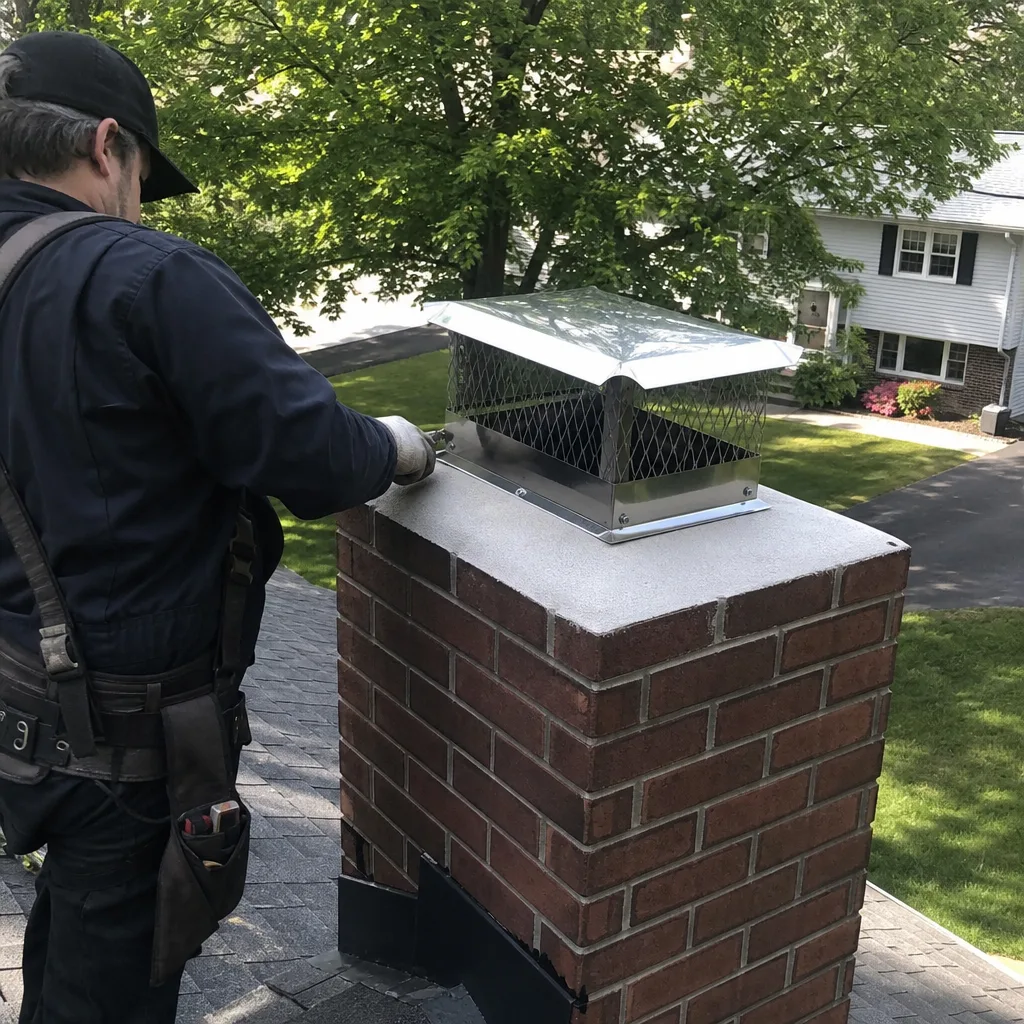
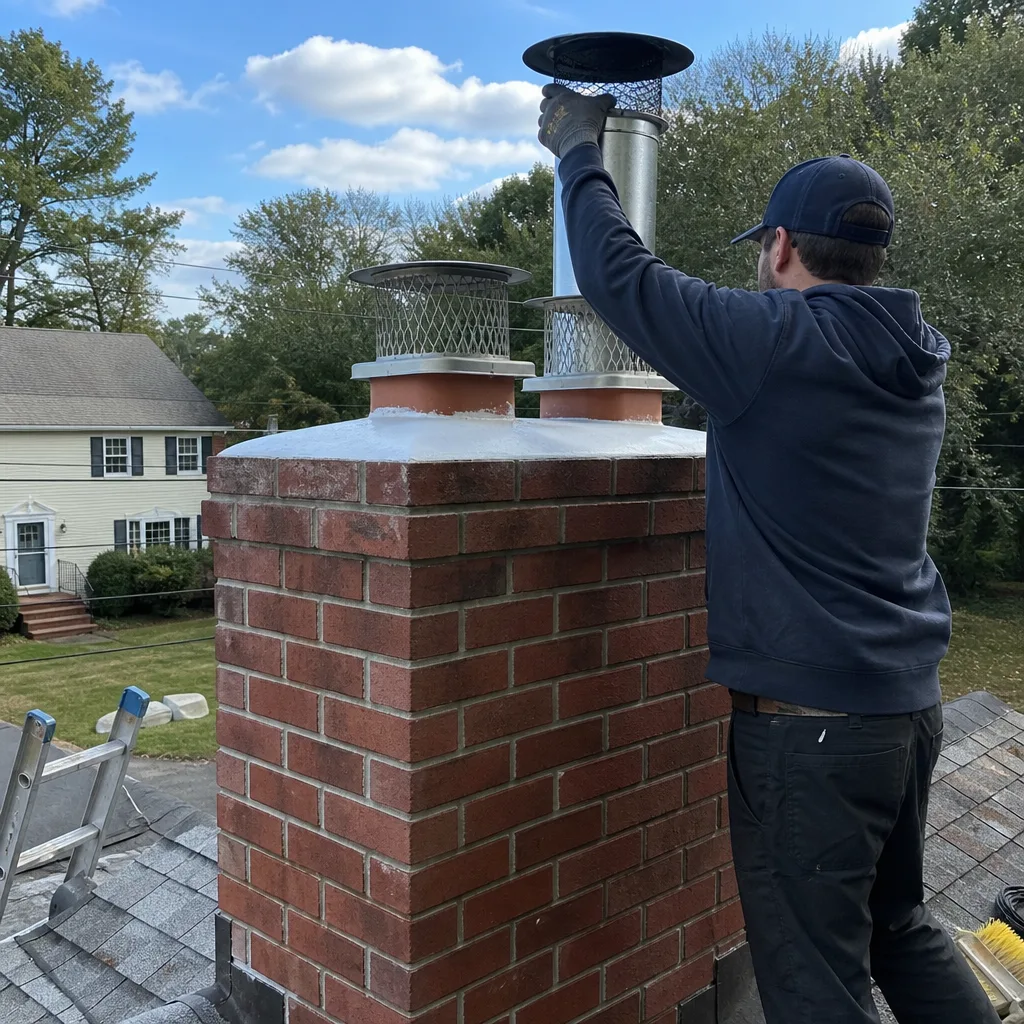
Level 1 sweep and inspection to the NFPA 211 annual standard - flue, crown, cap, and flashing checked and photographed
Chimney sweep logs do not sweep chimneys. They loosen some creosote - which then falls where a brush and vacuum still have to collect it.
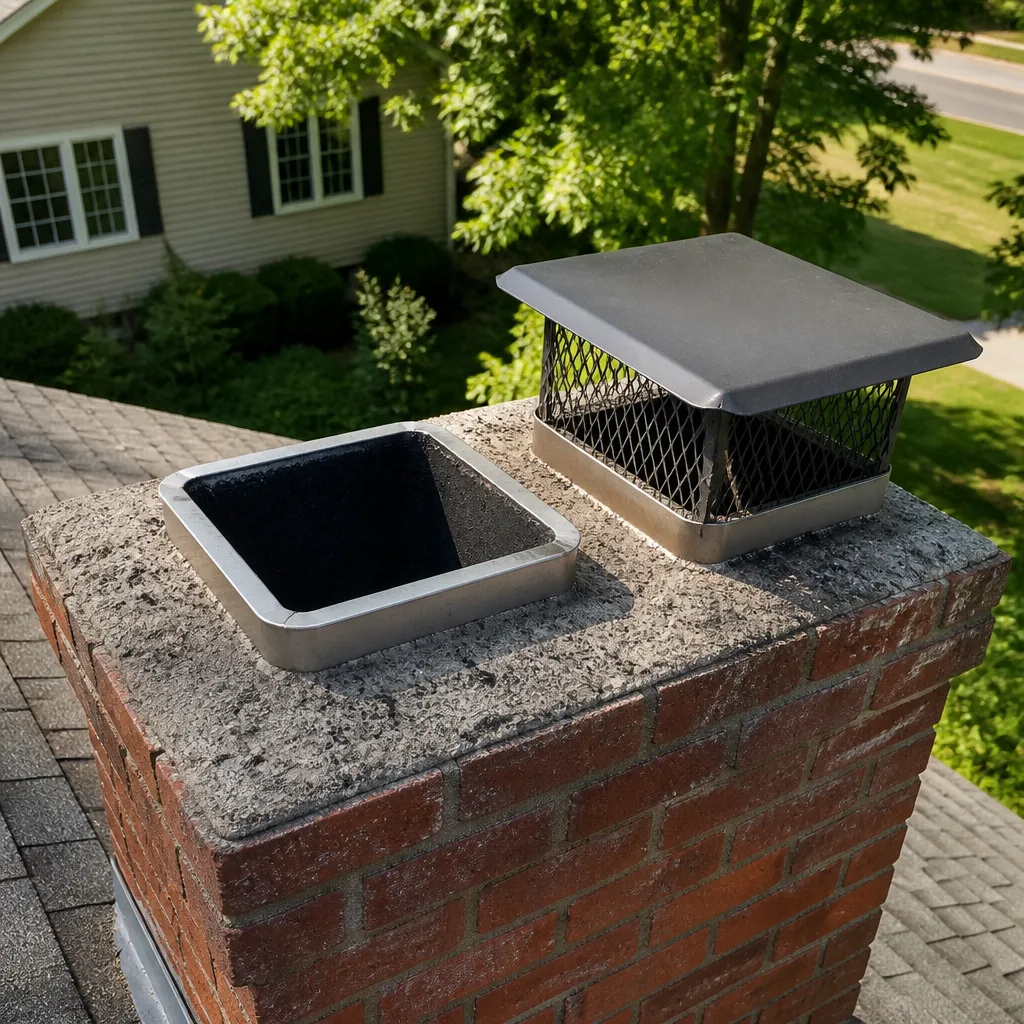
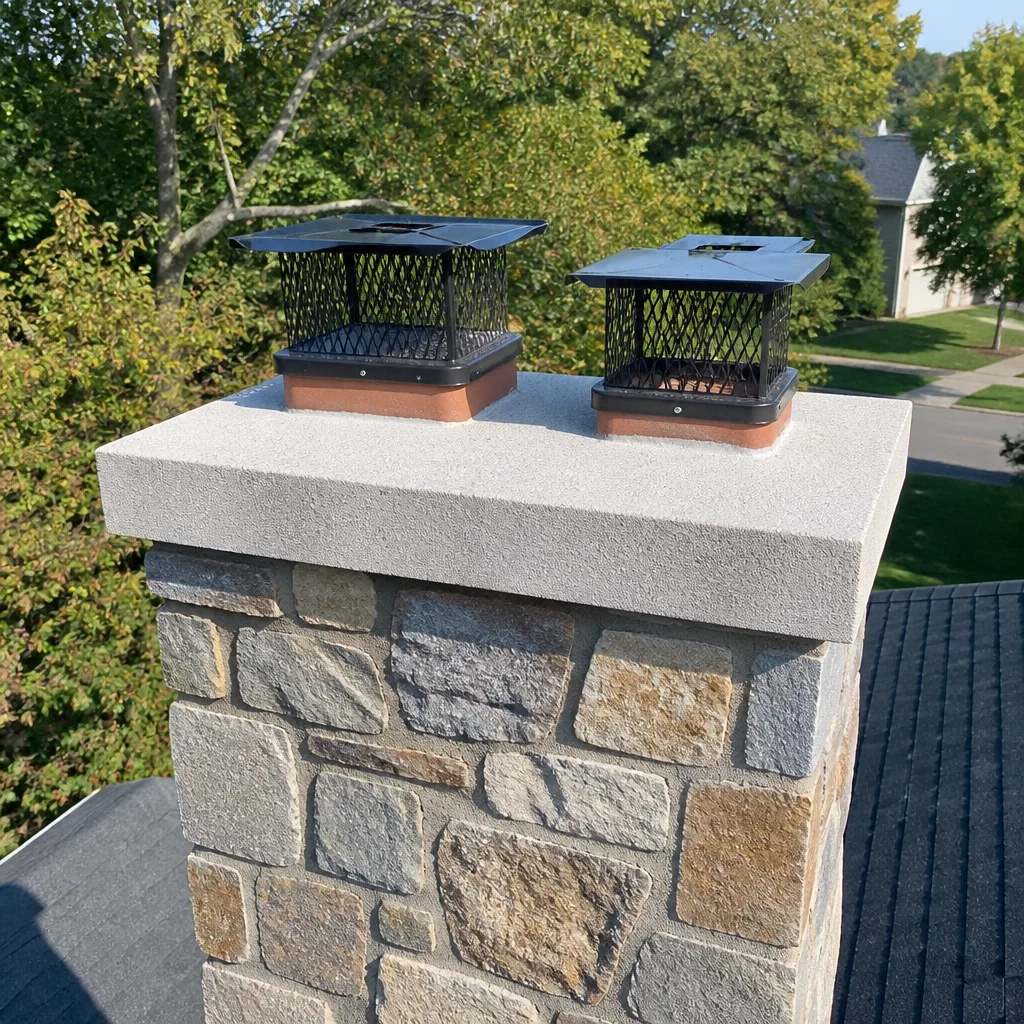
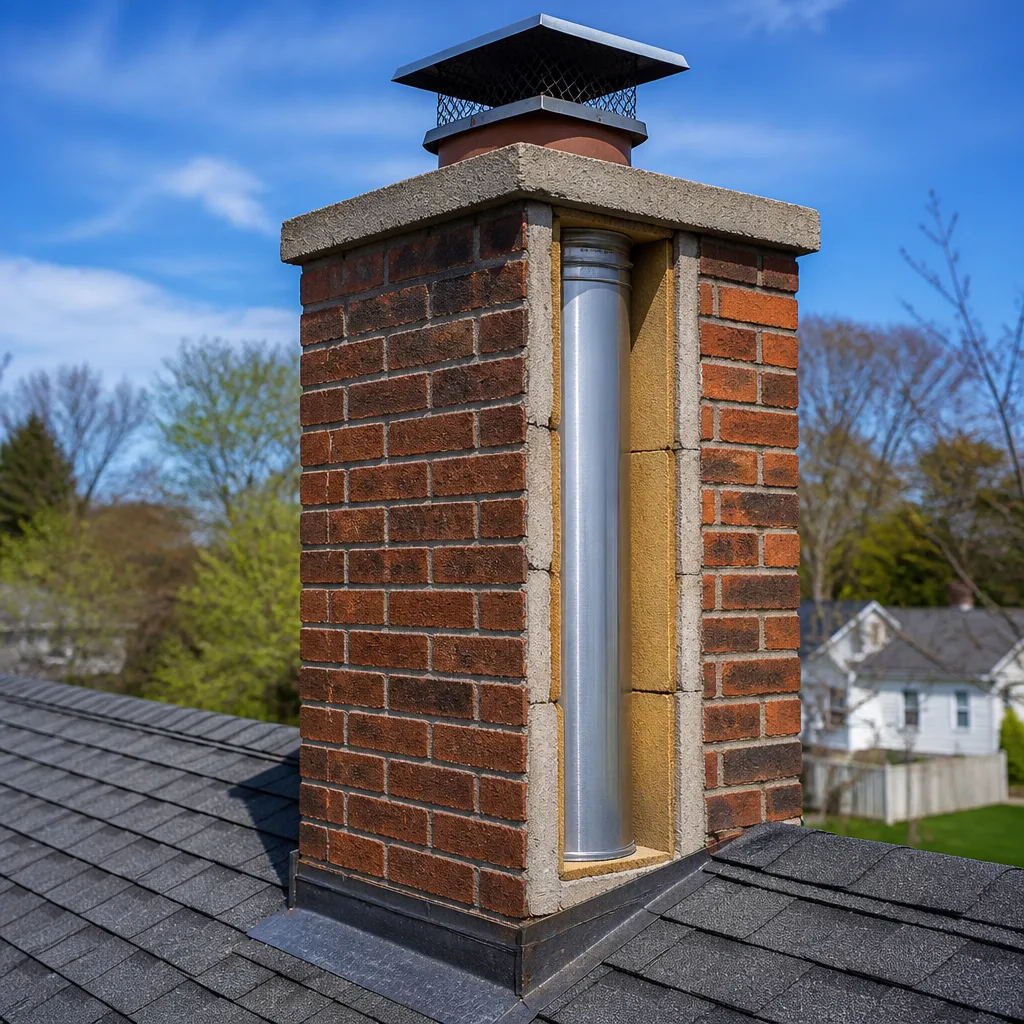
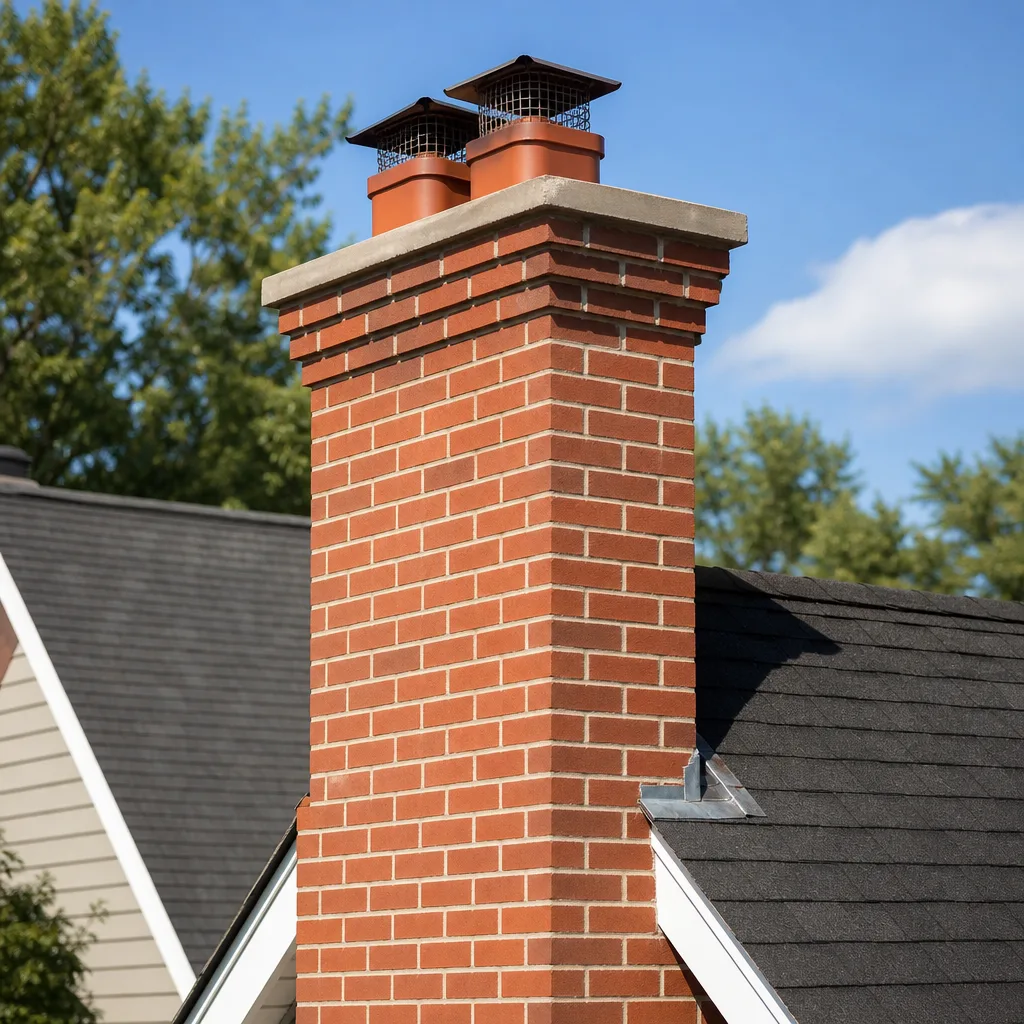
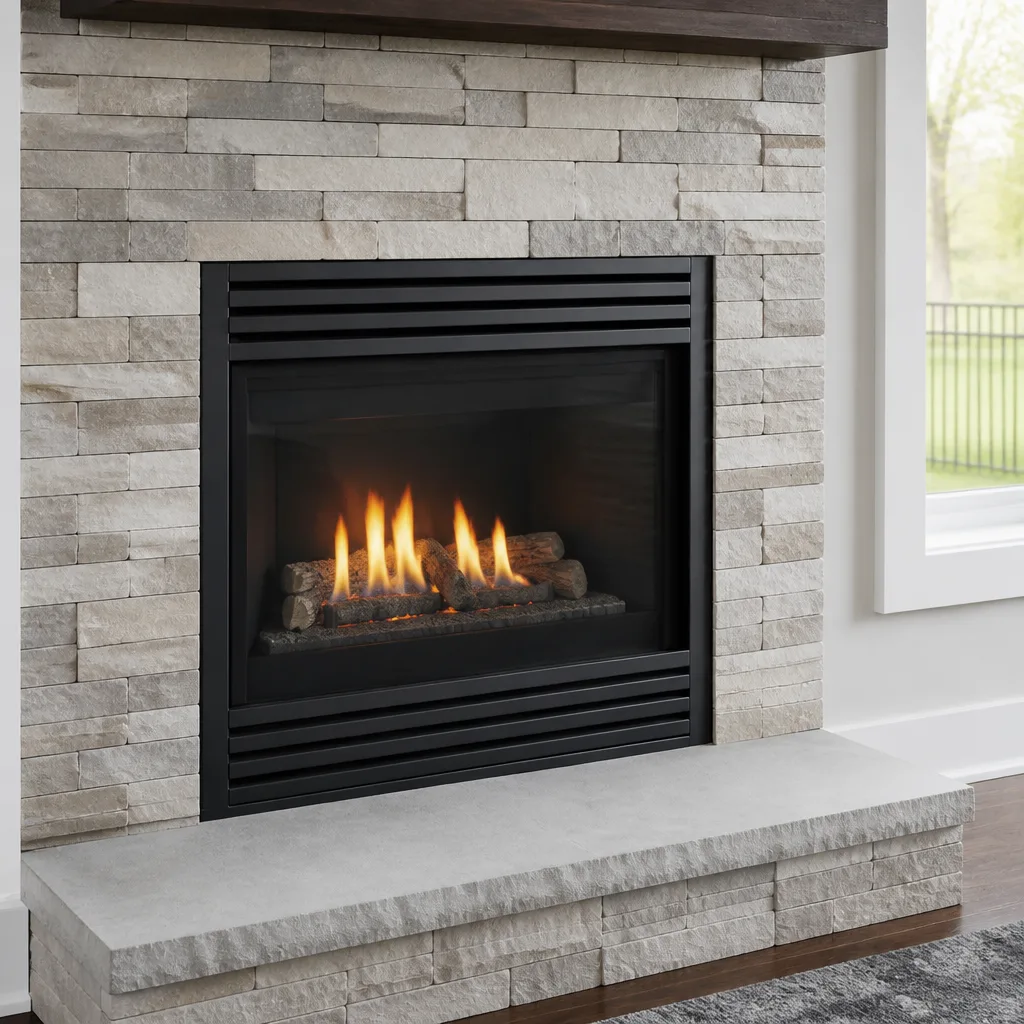
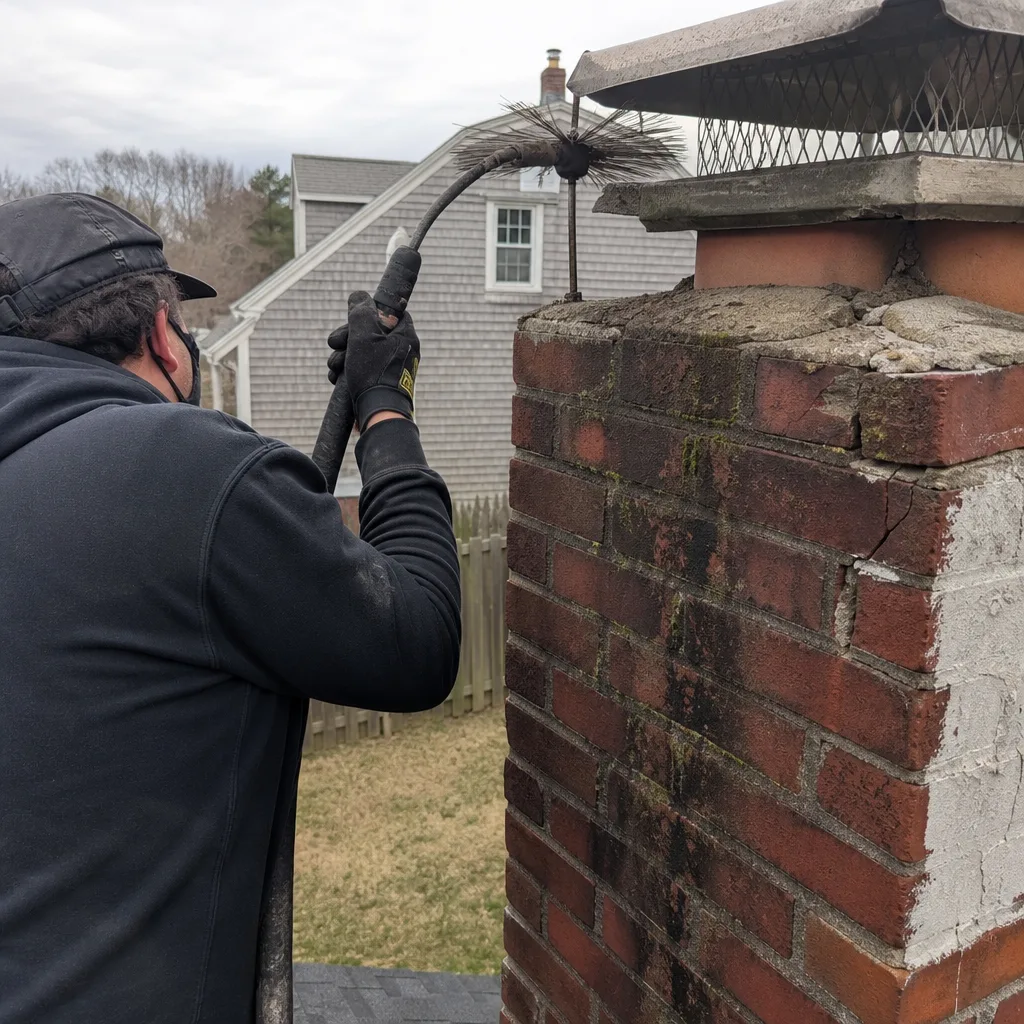 Before
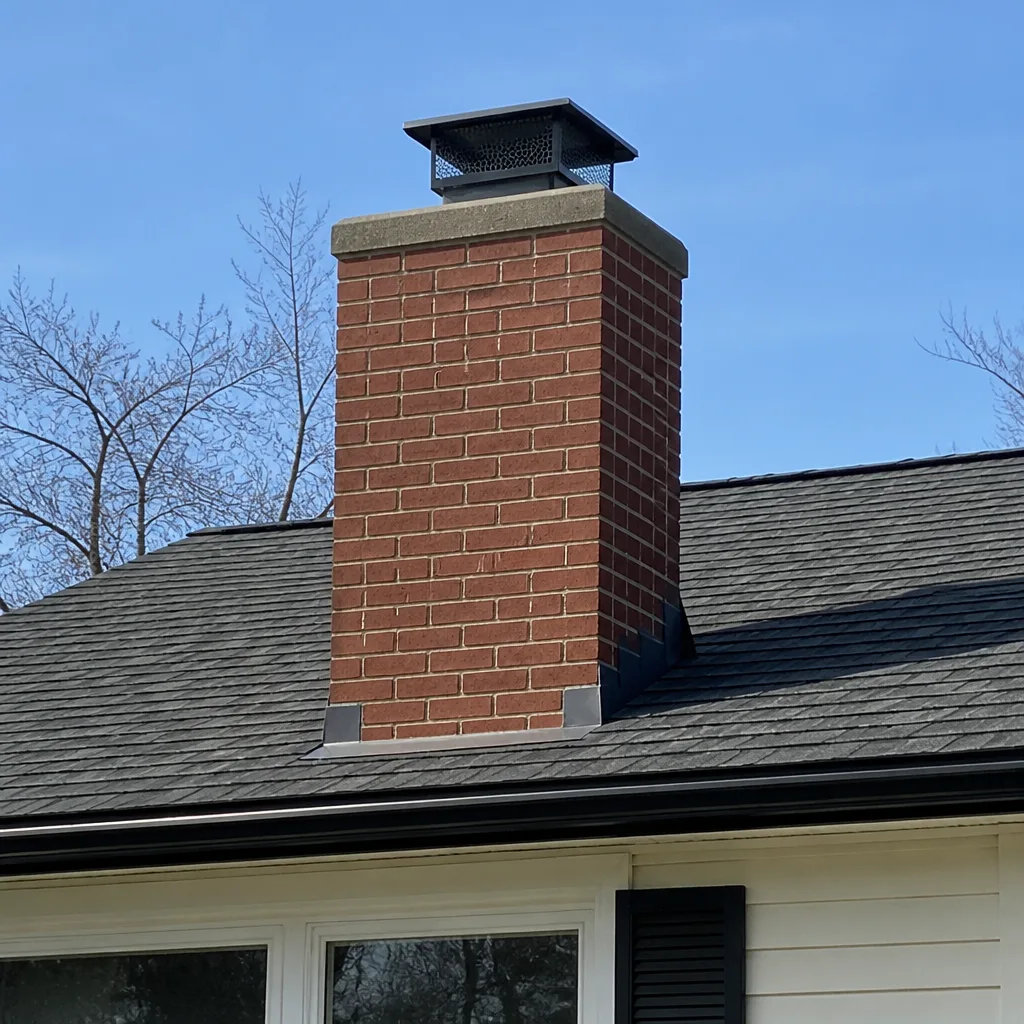 After
After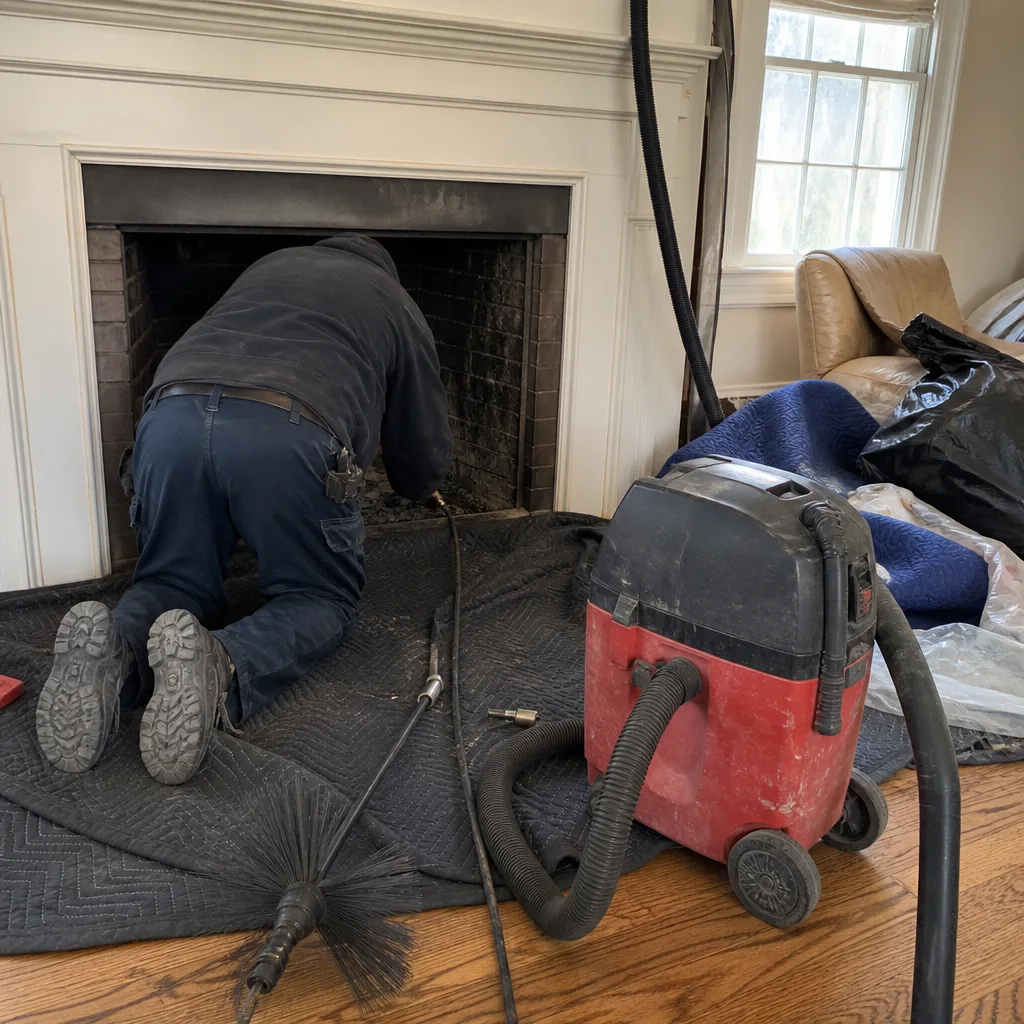 Before
 After
After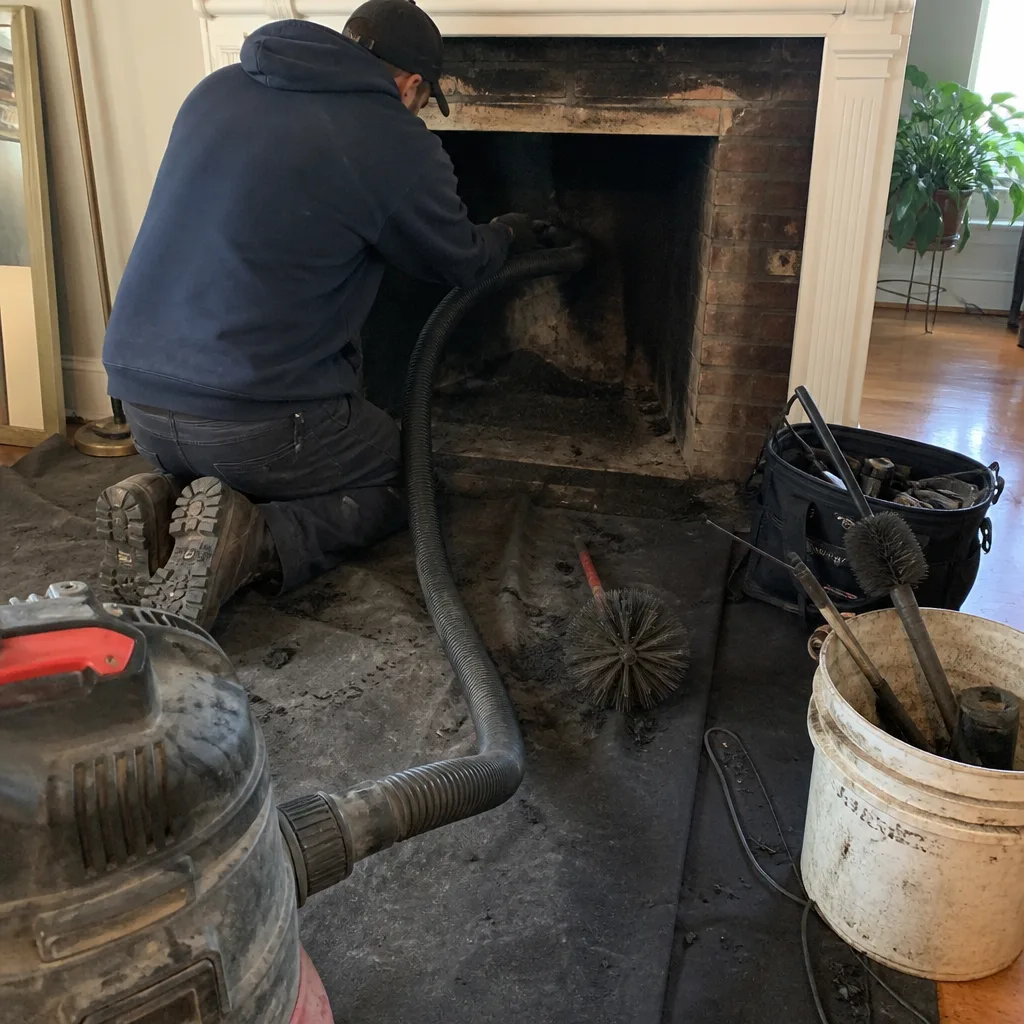 Before
 After
AfterSeasonal Chimney Cleaning Care for Natick: Year-Round Homeowner’s Guide
Spring is when Wendell finds the damage that winter caused. Not in October, when every Natick homeowner suddenly remembers the fireplace exists, but in April and May, when freeze-thaw cycles have finished working on the mortar and the animals have settled into the flues left open all winter. Most chimney problems are seasonal, and most homeowners only think about one season. This guide walks through what each part of the year actually does to a chimney in Natick, what you can check yourself, and when the smart move is to pick up the phone before a small issue becomes a liner replacement.
Quick Answer
A chimney in Natick needs attention year-round, not just before burning season. The fall sweep is the essential habit, but the damage that sweep misses is usually caused by winter freeze-thaw cycles, spring animal nesting, and summer humidity. Checking your firebox in late spring, scheduling repairs in summer when masonry has time to cure, and calling for a sweep in early fall before the November rush is the sequence that keeps a chimney safe and avoids surprise repair bills.
Table of Contents
- Why Seasonal Care Matters More in Natick Than You’d Think
- Spring: What to Check After the Last Fire
- Late Spring: The Best-Kept Secret for Repair Scheduling
- Summer: Humidity, Clay Tiles, and What You Can Check Without a Camera
- Fall in Natick: Why October Beats November Every Time
- Winter: What to Check After Ice Storms and Freeze-Thaw Cycles
- The Off-Season Sweep: Once a Year, Burn or No Burn
- Common Mistakes to Avoid
- When to Call a Professional
- Frequently Asked Questions
- The Bottom Line
Why Seasonal Care Matters More in Natick Than You’d Think
Natick sits in a climate band that punishes chimneys harder than most homeowners realize. We get about 48 inches of rain a year, snow that melts and refreezes multiple times each winter, and summer humidity that regularly climbs past 70 percent. Each of those conditions attacks a different part of the chimney. Winter water freezes in hairline mortar cracks and expands them. Spring rain finds the new openings. Summer humidity works on clay flue tiles from the inside. A chimney that gets one sweep in October and nothing else is a chimney that accumulates damage for eleven months straight.
The single sweep in the fall is the right habit. But it is a snapshot, not a maintenance plan. What it catches is creosote buildup from the previous burning season. What it misses is everything that happens between March and September, when the fireplace is dormant and nobody is looking at it. In our experience serving Natick since 1999, the homeowners who spend the least on chimney work over a decade are not the ones who skip sweeps. They are the ones who look at the chimney in every season, not just the one where it is actively burning.
What Each Season Actually Does
- Winter: Freeze-thaw cycles widen existing cracks in the crown and mortar joints. The temperature swings in Natick, where a sunny afternoon can hit 45 degrees and the overnight low drops to 15, are particularly rough on masonry.
- Spring: Meltwater and rain penetrate the openings winter created. Animals look for nesting sites, and an open damper is an invitation. The damage from January becomes visible in April if you know where to look.
- Summer: Humidity and heat cause clay flue tiles to expand and contract. Weak tiles that survived one more winter can spall, leaving pieces in the smoke shelf. High humidity also softens old mortar from the inside of the flue.
- Fall: The burning season arrives. This is when creosote accumulates and when the chimney is actively working, which means this is when the most common and most dangerous problems show up during use.
The point is not that you need to hire someone four times a year. It is that you need to understand what each season does so you know what to look for and when to act. Most of what follows costs nothing but ten minutes of your time.
Spring: What to Check After the Last Fire
Your firebox does not care how the last fire looked. It cares how it breathes. After the final fire of the season, usually in March or early April in Natick, there are a handful of things to check before you close the damper and forget about the fireplace until October. Ten minutes in the spring can save you a thousand-dollar repair in the fall.
Step-by-Step: The Ten-Minute Spring Check
- Look at the firebox floor and walls. You are checking for cracked firebrick, missing mortar joints, or any brick that has shifted. Firebrick is designed to withstand heat, but it is not structural. A crack that admits heat behind the firebox can eventually damage the framing of the house.
- Look up with a flashlight. Shine the light at the damper, the smoke shelf, and as far up the flue as you can see. You are looking for anything that was not there in October: animal nesting material, fallen brick or tile fragments, or heavy creosote that was not removed by the last sweep.
- Check the damper. Open it and close it. A damper that is stuck open, rusted, or warped lets conditioned air out of the house all summer and lets animals in. A damper that does not seal is one of the most common sources of the “drafty fireplace” complaint we hear in Natick.
- Look at the exterior from the ground. Walk around the house and look at the chimney. You are checking for obvious spalling, cracked or missing brick, a shifted or leaning stack, and any visible damage to the cap or crown. Binoculars help if the chimney is tall.
- Check the cleanout door. If your chimney has an exterior cleanout at the base, open it and look inside. What you find is a good indicator of what has been falling down the flue. Tile fragments, wet ash, or animal debris all tell a story.
If everything looks clean and intact, close the damper and move on with your spring. If you find anything that was not there in the fall, take a photo and make a note. You may not need to act immediately, but you now have a baseline for comparison and a record for when you do call someone.
Why Spring Matters for Creosote Too
Most Natick homeowners think creosote is a burning-season problem. It is not. Creosote that sits in a flue through a humid New England summer absorbs moisture and can become more corrosive to the flue liner, not less. The longer it sits, the harder it is to remove in the fall. A spring sweep, even a light one, leaves the chimney clean through the dormant months and cuts the workload in October. This is also why the guide on Chimney Cleaning & Sweep in Natick recommends an annual sweep regardless of how much you burned.
Late Spring: The Best-Kept Secret for Repair Scheduling
If you need chimney repair in Natick, the best time to get it done is May and June. Almost nobody does this. The phones ring in October and November, when the first cold snap reminds everyone the fireplace exists, and every chimney company in Middlesex County is booked out for weeks. In late spring, the phone is quiet and the calendar is open. More importantly, masonry has all summer to cure before it faces another freeze-thaw cycle.
Mortar and concrete products cure best in moderate temperatures with consistent moisture. A crown poured in June has three months to reach full strength before December. A crown poured in November goes into its first freeze barely set. That is not an opinion, it is chemistry. The same applies to tuckpointing, brick replacement, and any repair involving mortar joints. The work done in the spring is stronger work, and it is often scheduled faster because the demand is lower.
If you found cracked mortar, a damaged crown, or spalling brick during your spring check, do not wait until fall to address it. The repair will be the same price or cheaper, the scheduling will be easier, and the work will be more durable. And if the repair is extensive enough that you are looking at a liner, spring is when you want to make that call too. The products we install, like Olympia Chimney stainless liners, are year-round jobs, but the masonry around them still benefits from a warm-weather install.
For a full picture of what chimney repair involves in this area, including what we can and cannot fix, see Chimney Repair in Natick.
Summer: Humidity, Clay Tiles, and What You Can Check Without a Camera
Natick summers are humid. July and August regularly bring dew points above 65 degrees, and that moisture finds its way into chimneys whether the fireplace is used or not. The most common summer damage we see is to clay flue tiles, which is a problem because most chimneys in Natick homes built before 1990 still have terra cotta liners.
Here is what happens. Clay tiles absorb a small amount of moisture from the air. In high humidity, that moisture penetrates deeper. When the chimney heats up again in the fall, the moisture inside the tile expands and the tile can crack or spall, which means pieces flake off the inside surface. A tile that spalls repeatedly becomes thin, then fails, and then you have gaps in the flue where heat and gases can reach the surrounding masonry. That is how chimney fires get the oxygen they need to burn out of control.
What You Can Check Without a Camera
You cannot see the inside of a flue from the ground, but you can gather clues. Here is what to look for during the summer, especially in July and August:
- Pieces in the cleanout. If you can open the exterior cleanout door, look for terra cotta fragments. Clay tile pieces in the ash are a direct sign that a tile has spalled somewhere above.
- Water in the firebox after heavy rain. A damp firebox in summer is not just a leak. It means water is getting into the flue, which means the liner or the crown has an opening. That water accelerates tile deterioration.
- Staining on interior walls near the chimney. In a humid summer, water stains near the chimney are easy to dismiss as condensation. But water that is actually coming down the chimney will stain in a consistent pattern, usually darker and lower on the wall. Condensation is spread out. Chimney leaks are concentrated.
- A strong musty smell from the fireplace. That smell is not normal summer humidity. It is usually moisture trapped in the smoke shelf or the flue, and it is a sign that something is not drying out properly.
If you find tile pieces or water, a camera inspection is the only way to know the full extent of the damage. A sweep with a camera can show you the exact condition of every tile in the flue in about twenty minutes. At Top Hat Chimney, the camera footage and a plain-English verdict come with every inspection, no exceptions.
The Summer Sweep Question
Some Natick homeowners ask us if they should sweep in the summer. The answer depends on what happened during the burning season. If you burned regularly through April and the chimney has not been swept since last fall, a summer sweep is not a bad idea. It removes creosote before it sits through another humid month and makes the fall inspection cleaner and easier. If you barely used the fireplace, you can usually wait until early fall. The one exception: if you find tile fragments or water in the cleanout, do not wait. Call in the summer.
Fall in Natick: Why October Beats November Every Time
Every year without fail, the phones at Top Hat Chimney start ringing in earnest the first week of November. The first cold Saturday arrives, someone lights a fire, the house fills with smoke or the carbon monoxide detector goes off, and suddenly everyone in Natick needs a chimney sweep on the same afternoon. By mid-November, the schedule is booked out for weeks. By December, we are squeezing in emergency calls between scheduled work. Waiting until November does not cost more money, but it costs time, and it costs the stress of wondering whether the fireplace is safe to use on the first cold night.
October is different. The weather is still mild, the schedule has room, and the sweep can be done at a normal pace instead of a rushed one. More importantly, an October sweep means the chimney is clean before the first fire, not after the first smoke problem. The sequence matters. If you sweep in October and the chimney is clean and sound, you light the first fire with confidence. If you wait until November and discover a problem mid-month, you are now scheduling repair work during peak season, and the repair you could have had done in June is now a November emergency.
A good rule for Natick: book your annual cleaning and inspection by the end of September. The sweep happens in October when the weather cooperates and the schedule is open. The first fire happens in November with a clean flue and a camera inspection already on file. That is the sequence that has worked for our customers since 1999.
For the full details on what a chimney cleaning and sweep includes in this area, see Chimney Cleaning & Sweep in Natick.
Winter: What to Check After Ice Storms and Freeze-Thaw Cycles
Natick winters are not consistently cold anymore. They are a cycle of snow, thaw, freeze, thaw, freeze, and that cycle is harder on a chimney than a steady deep freeze. Every time water gets into a crack and freezes, the ice expands by about 9 percent. Every time it thaws and refreezes, the crack grows. After a few winters, a hairline crack in the crown becomes a channel that lets water run straight down the flue.
You cannot do much to stop the freeze-thaw cycle, but you can check for damage after the worst of it. Here are the specific things to look for after a heavy ice storm or a stretch of freeze-thaw days:
- New or widened cracks in the crown. The crown is the concrete slab on top of the chimney. After an ice storm, go outside and look at it with binoculars. Cracks that were hairline in the fall may be visibly wider. A cracked crown is the number one entry point for winter water.
- Missing or shifted cap components. Ice is heavy, and ice sliding down a roof can knock a cap askew. A cap that is no longer seated properly lets rain, snow, and animals into the flue. Check the cap after every storm that produces significant ice buildup.
- Water marks on the ceiling or walls near the chimney. Freeze-thaw damage does not always show up outside. Sometimes the first sign is a water stain on the living room ceiling, three feet from the fireplace. If you see a new stain after an ice storm, water is getting in somewhere it should not be.
- Loose or spalled brick. Walk around the house and look for any brick face that has popped off or any brick that seems to have shifted. Spalling is a sign that water has been inside the brick and frozen. It does not heal itself, and it gets worse each winter.
If you find any of these signs, note them and make the call. The damage will not fix itself, and another freeze-thaw cycle will make it worse. Even if the repair cannot be done until spring, documenting the damage in winter gives you a head start on scheduling, and it gives the sweep who shows up a clear picture of what happened.
A Word on Winter Repairs
Some chimney repair work can be done in winter. Stainless steel liner installation, cap replacement, and some interior work are all possible in cold weather. Masonry work is the exception. Mortar and concrete need temperatures above 40 degrees to cure properly, which means most tuckpointing and crown pours in Natick wait until April or May. If winter damage requires masonry work, we will tell you plainly that it can wait until spring, and we will tell you exactly what to watch for in the meantime. The honest word is the whole point.
The Off-Season Sweep: Once a Year, Burn or No Burn
Here is a sentence we repeat often at Top Hat Chimney, because it is true and because it surprises people: once a year, burn or no burn. Chimneys break in the off-season too. A chimney that was not used all winter still has a crown, still has a cap, still has mortar joints, and still gets hit by every freeze-thaw cycle and every rainstorm. The flue might be clean, but the structure around it still needs a set of eyes on it.
The annual visit is not really about the creosote. The creosote is just the part you can see. The annual visit is about the crown, the cap, the flashing, the damper, the smoke shelf, the firebox, and the flue liner. It is a structural checkup, not just a cleaning. In Natick, where the weather works on chimneys year-round, skipping the annual visit because you “barely used the fireplace” is like skipping a dental checkup because you “barely ate sugar this year.” The problems still accumulate.
What the Annual Visit Actually Includes
- Top-down camera inspection of the flue liner. This shows the condition of every tile in the flue, including the ones you cannot see from the firebox or the cleanout.
- Creosote level assessment. First-degree creosote is a brush job. Third-degree is a glaze. Catching it early is the difference between a standard sweep and a serious removal job.
- Crown and cap inspection. From the roof, not from the ground. Cracks that are invisible from the yard are obvious up close.
- Damper and firebox check. A damper that does not seal is a year-round energy leak. A cracked firebrick is a fire-safety issue.
- Flashing and masonry check. The joint between the chimney and the roof is one of the most common leak points in Natick homes.
For the full breakdown of what a cleaning and sweep involves, see Chimney Cleaning & Sweep in Natick. And if you have a fireplace that needs more than cleaning, Fireplace Services in Natick covers everything from gas conversions to full rebuilds.
Common Mistakes to Avoid
- Closing the damper without checking the firebox after the last fire. This is the single most common mistake we see in Natick. The damper gets closed, the fireplace is forgotten, and a problem that was visible in March becomes a surprise in October. Ten minutes of checking saves the surprise.
- Assuming no burns means no problems. The flue does not care whether you burned wood this year. The crown, the cap, and the mortar still took a winter of freeze-thaw cycles. The annual visit is a structural checkup, not just a creosote removal.
- Waiting until November to schedule a sweep. November is when every chimney in Natick gets remembered at once. October is when the schedule is open and the weather is cooperative. Book by late September.
- Ignoring a small crack in the crown because it “looks minor.” A hairline crack in the crown is the start of a water intrusion path. Water gets in, freezes, expands, and the crack widens. The repair gets more expensive every winter it waits.
- Letting animals nest in the flue without addressing the entry point. Removing the nest is not enough. If the cap is damaged or the damper is left open, the same bird or squirrel will be back next spring. Fix the entry point, not just the current resident.
- Using the fireplace to dry out a damp chimney. A damp flue plus a fire does not fix the moisture problem. It bakes the moisture into the liner and accelerates tile damage. Solve the water intrusion first, then burn.
- Comparing quotes without comparing scope. A cheaper sweep that skips the camera inspection is not a cheaper sweep. It is a partial job. The camera footage and the written report are what make the annual visit worth paying for.
When to Call a Professional
Most of what is in this guide costs nothing but time and attention. But there are moments when the right move is a phone call, not another look with a flashlight. Call a professional if you find tile fragments in the cleanout, if you see a water stain near the chimney that was not there before, if the damper will not open or close, if there is animal activity in the flue, if the firebox has cracked brick, or if you see any exterior masonry that has shifted or spalled. Also call if you smell something musty or smoky from the fireplace when it is not in use. That is not a seasonal quirk. It is a sign something is not right inside the flue. Top Hat Chimney offers free estimates in Natick; call (781) 378-5846 and Wendell or a member of his crew will talk you through what you are seeing.
Frequently Asked Questions
A standard chimney cleaning and inspection in Natick typically costs between $180 and $300, depending on the chimney’s size, accessibility, and creosote level. Additional work like a camera inspection (if not already included), cap replacement, or heavier creosote removal adds to that. Top Hat Chimney gives you upfront pricing on the phone before any work begins, so the number you hear is the number on the invoice. Call (781) 378-5846 for an exact quote.
Once a year, regardless of how often you use the fireplace. The National Fire Protection Association recommends an annual inspection of all chimneys, fireplaces, and vents. In Natick’s climate, the annual visit also catches freeze-thaw damage, water intrusion, and animal entry that develop during the off-season. If you burn more than two cords of wood per season, a mid-season check may also be warranted.
Not always, but you should never accept the recommendation without seeing the evidence. A camera inspection should show you the exact condition of the liner. If tiles are cracked, spalled, or missing, heat and gases can reach the surrounding masonry and the liner does need to be replaced or resurfaced. If the sweep cannot show you the footage, get a second opinion. Top Hat Chimney shows you the camera footage and explains the verdict in plain English on every inspection, and we offer a free second opinion on any competing written estimate.
Creosote builds up, and creosote is the fuel for chimney fires. The longer it sits, the more corrosive it is to the flue liner, and the harder it is to remove. In a humid climate like Natick’s, creosote that sits through the summer absorbs moisture and becomes more damaging. Beyond creosote, skipping the annual visit means missing water intrusion, cracked crowns, failed dampers, and animal nests until they become expensive problems. The annual sweep is cheap insurance compared to a liner replacement or a fire.
It depends on the repair. If the issue is a damaged flue liner or a missing cap, you should not burn until the problem is fixed. Burning with a compromised liner risks a chimney fire. If the issue is cracked crown mortar or exterior masonry, you can often burn for a limited time, but the water intrusion will continue to do damage each freeze-thaw cycle. The safest answer to this question comes from a camera inspection, not a guess. Call (781) 378-5846 and we will tell you plainly what is safe.
Check the cap and crown first. Ice is heavy, and a significant ice buildup can knock a cap out of place or widen crown cracks. If the cap is intact and the crown looks stable, a normal fire is generally safe. If you see any new cracking, spalling, or if you find water in the firebox, hold off and have the chimney inspected. The damage will not fix itself, and burning with water inside the flue accelerates liner deterioration.
The Bottom Line
A chimney in Natick needs a year-round approach, not a single October appointment. Check the firebox in the spring before you close the damper. Schedule repairs in late spring when masonry can cure in warm weather and the calendar is open. Watch for humidity damage and tile fragments in the summer. Book your sweep by late September and get it done in October, before the November rush. After each ice storm, check the crown and cap. And once a year, burn or no burn, have a professional put eyes on the whole system. If you do those things, the chimney will cost you less over a decade, not more. Welcome to the Top Hat Chimney home way of doing things; ask anyone on your street.
Written by Wendell Pike, Owner at Top Hat Chimney, serving Natick since 1999.