
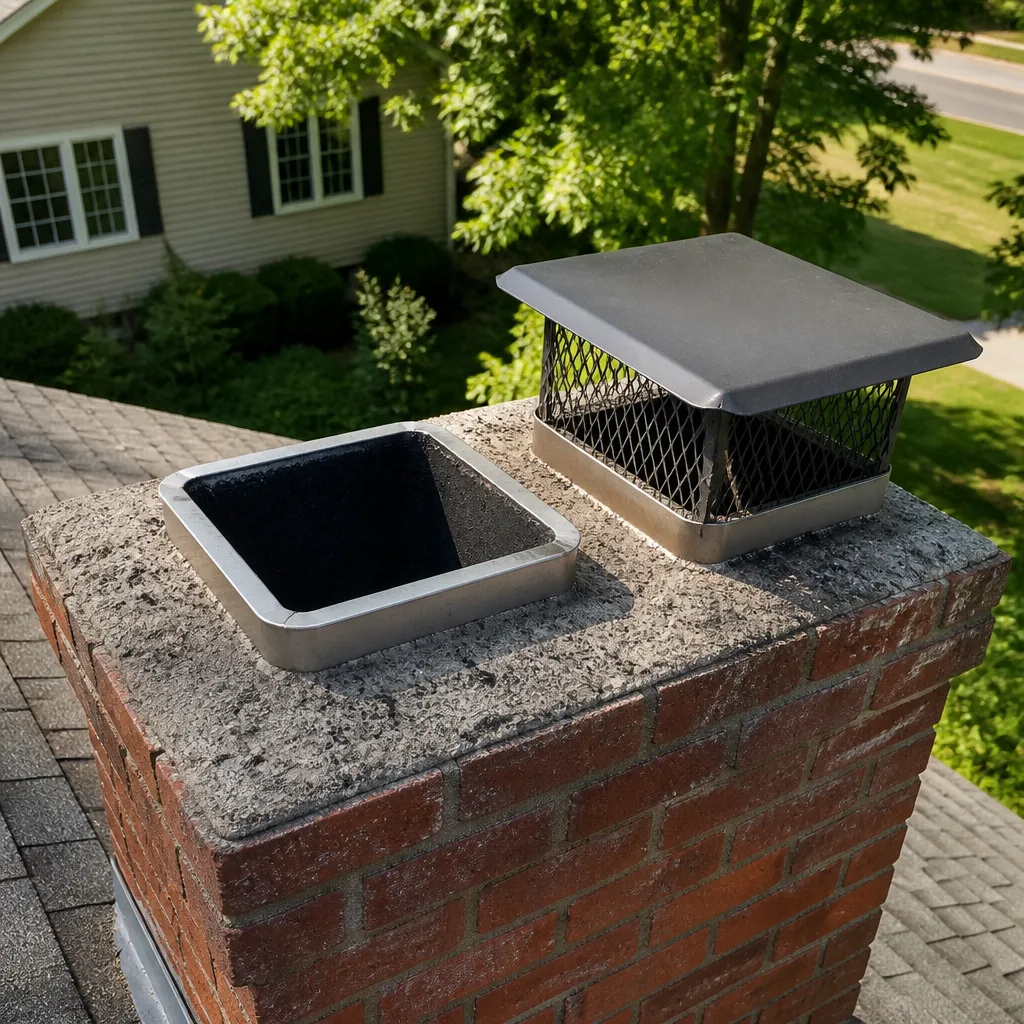
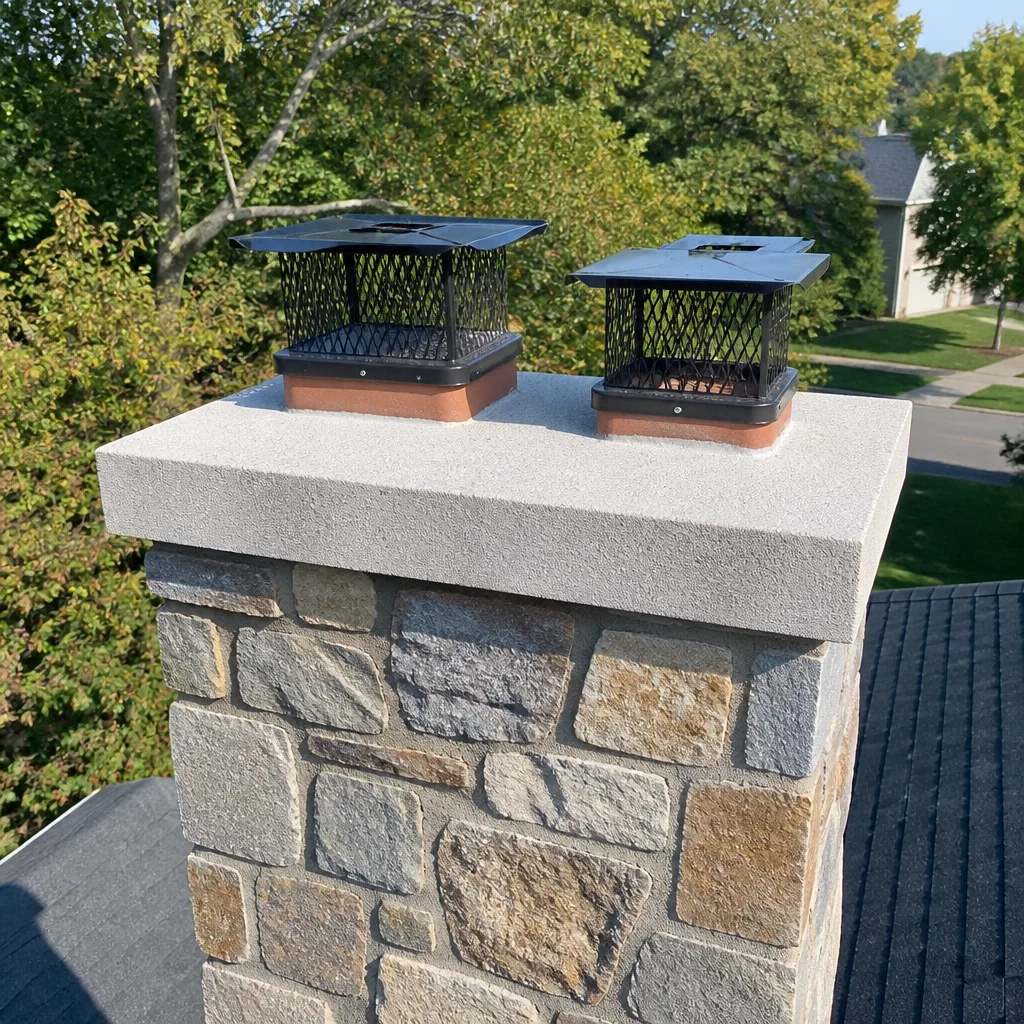
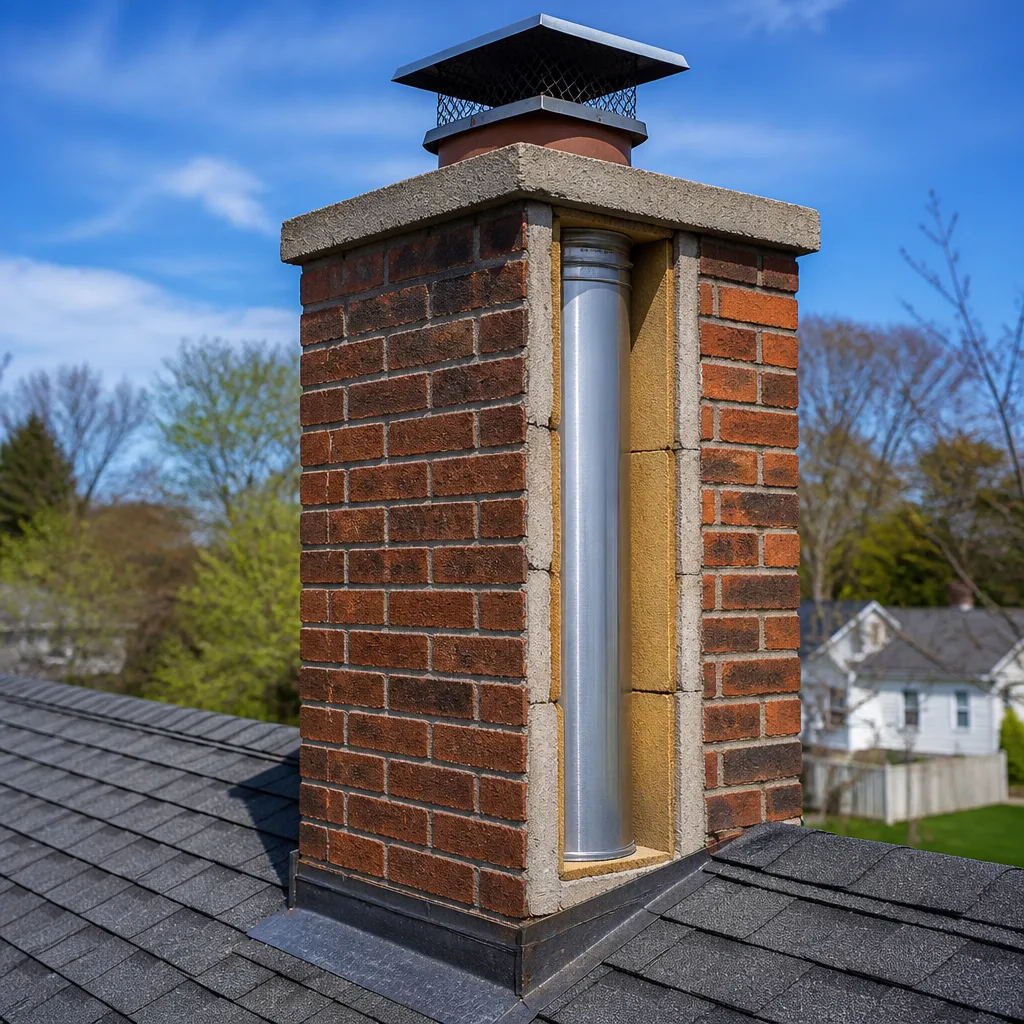
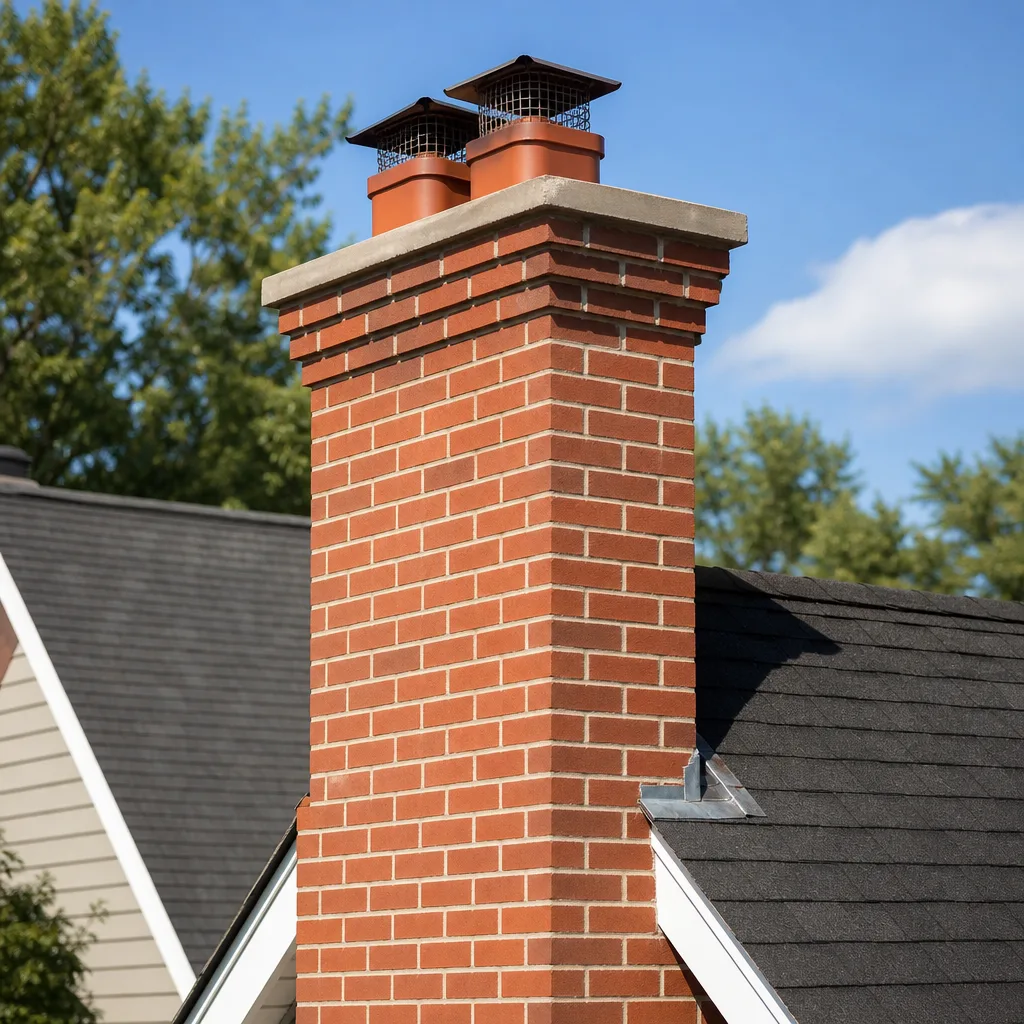
Level 1 sweep and inspection to the NFPA 211 annual standard - flue, crown, cap, and flashing checked and photographed
Chimney sweep logs do not sweep chimneys. They loosen some creosote - which then falls where a brush and vacuum still have to collect it.
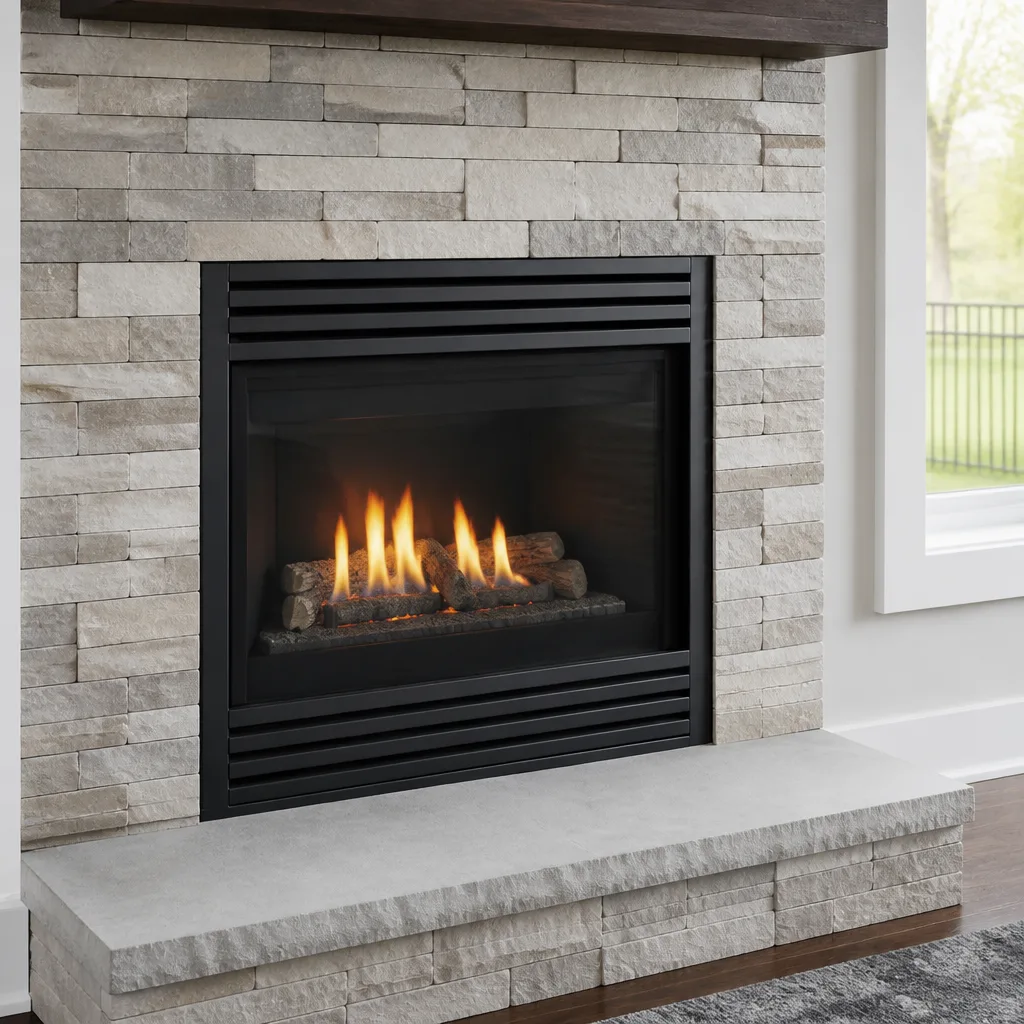
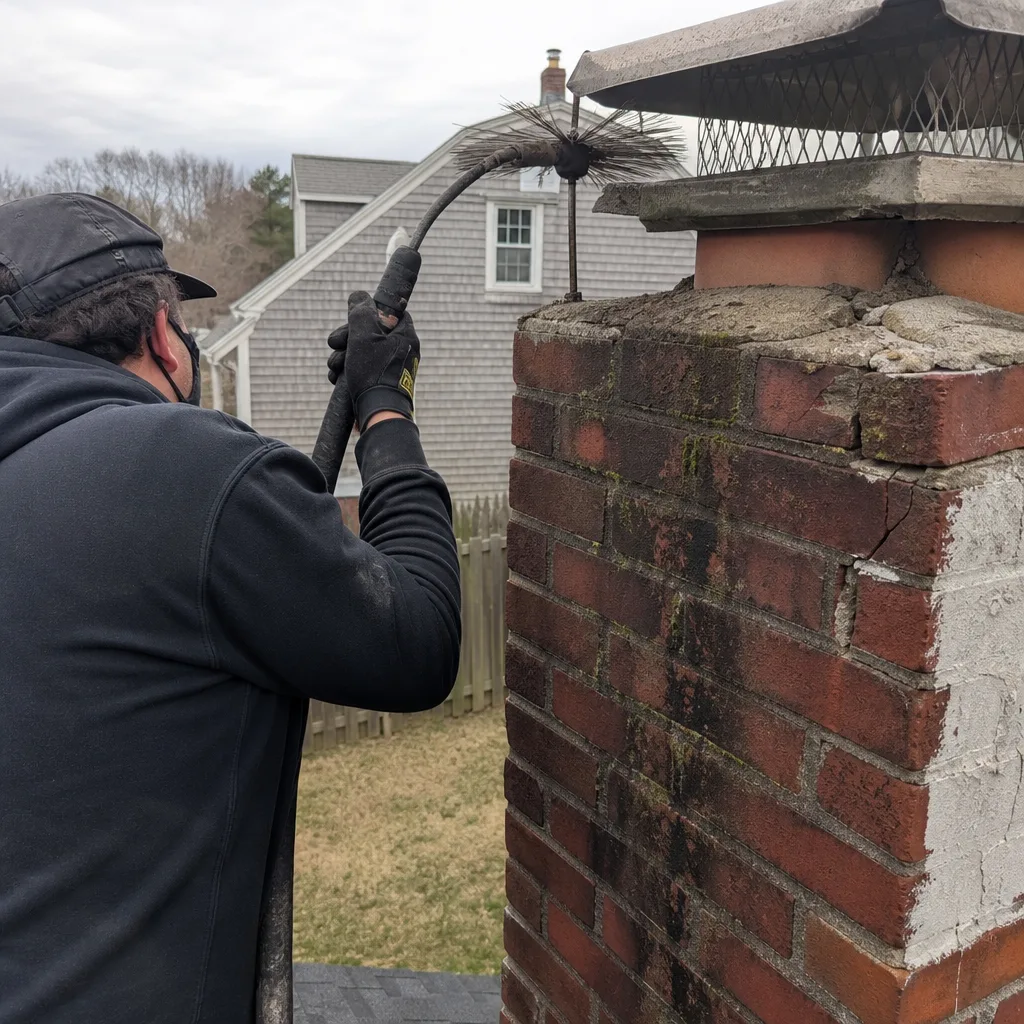 Before
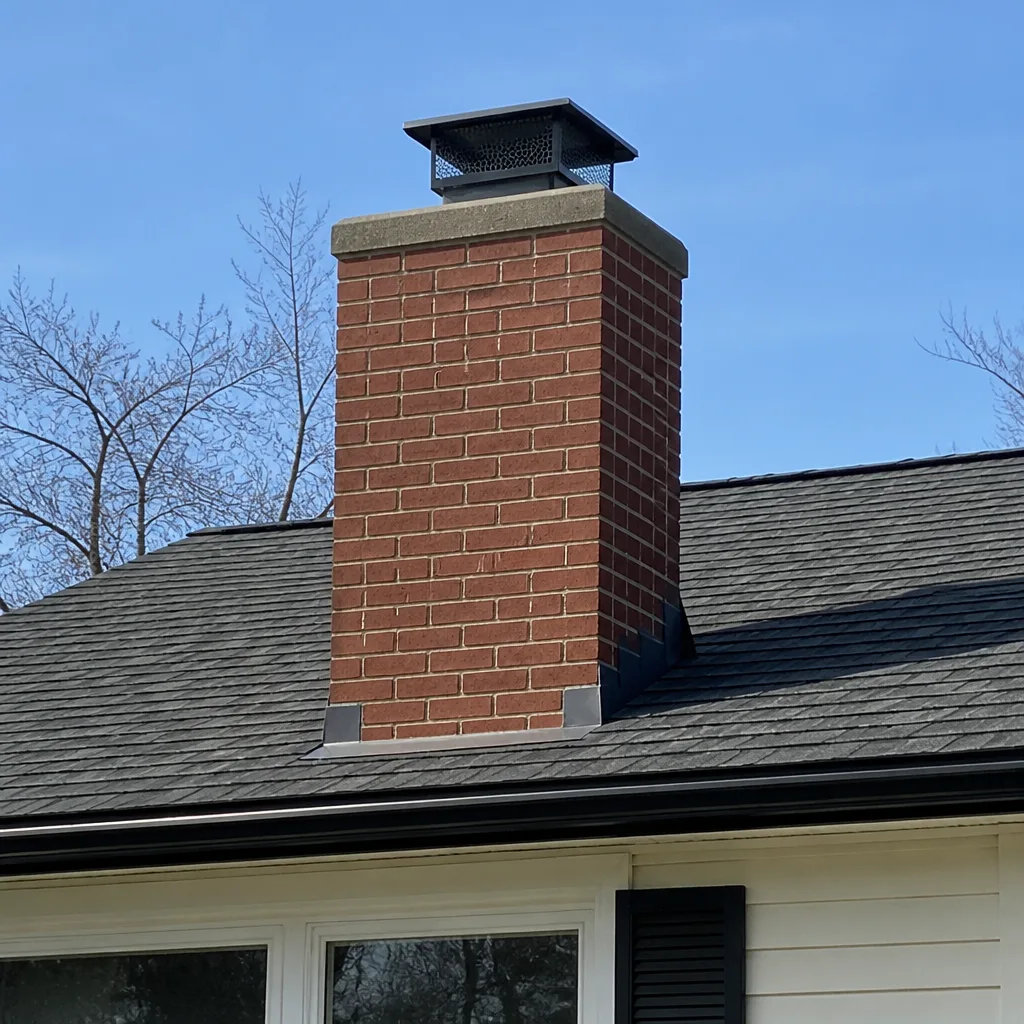 After
After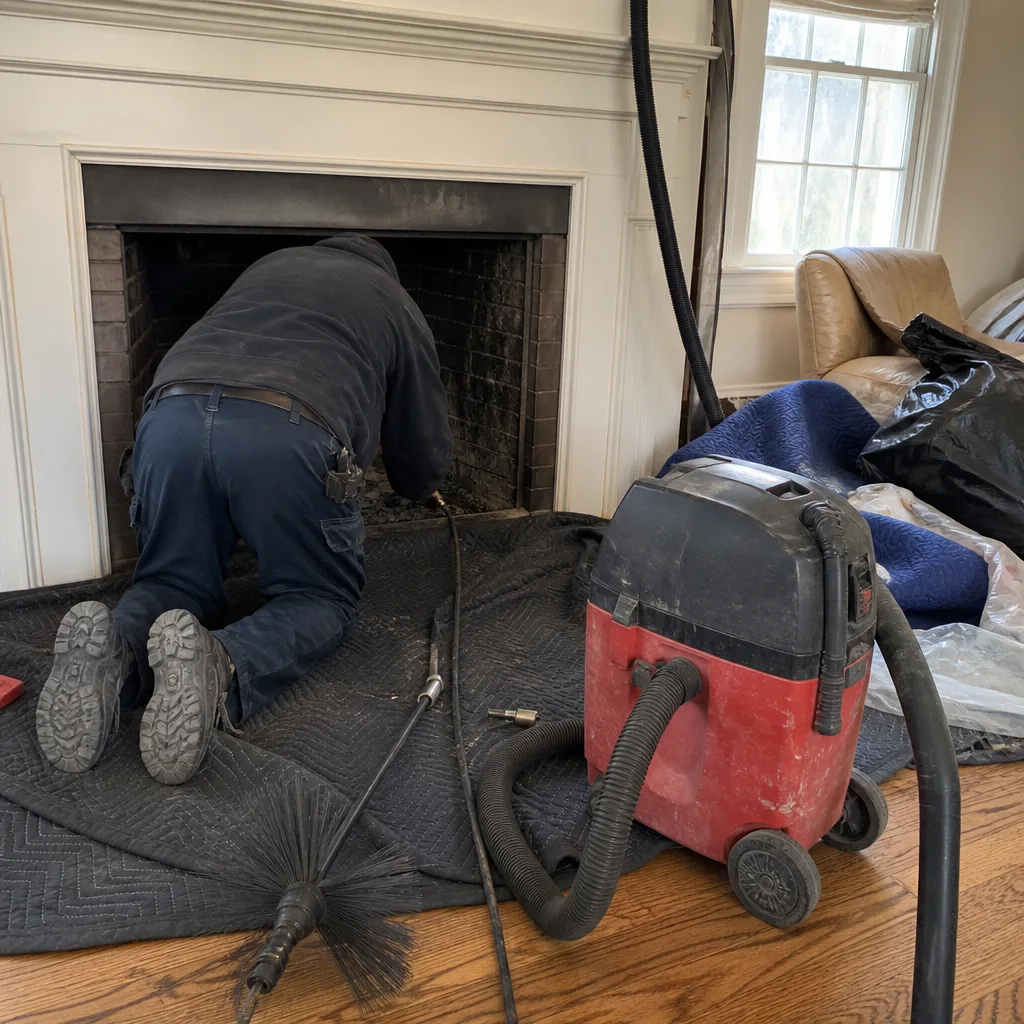 Before
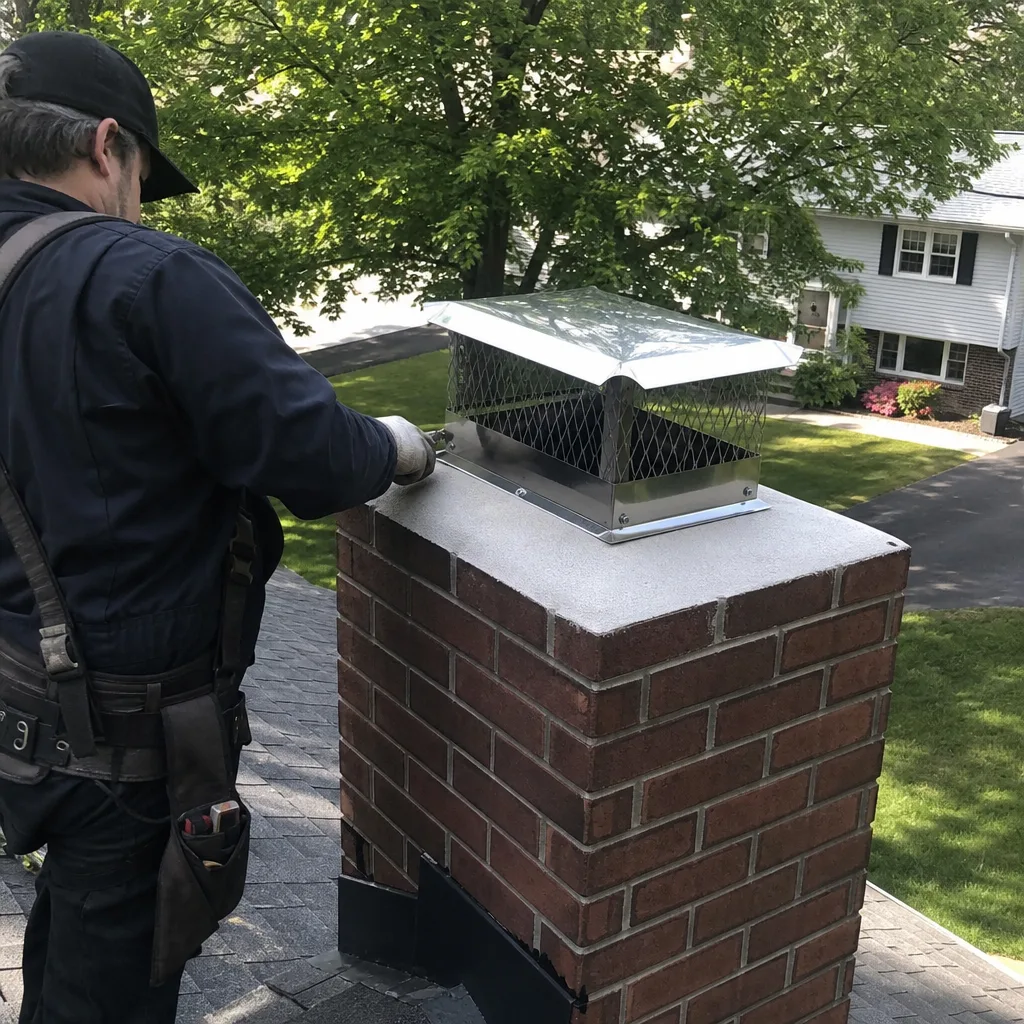 After
After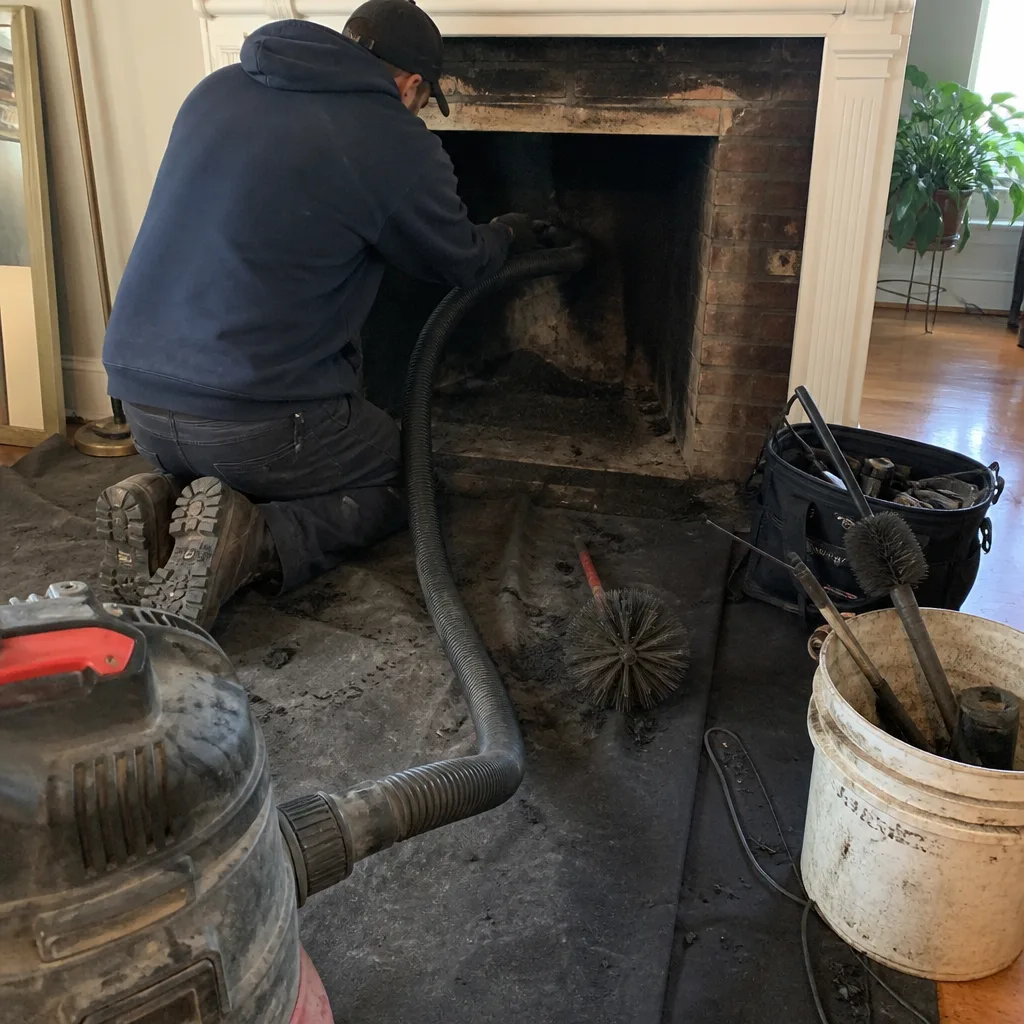 Before
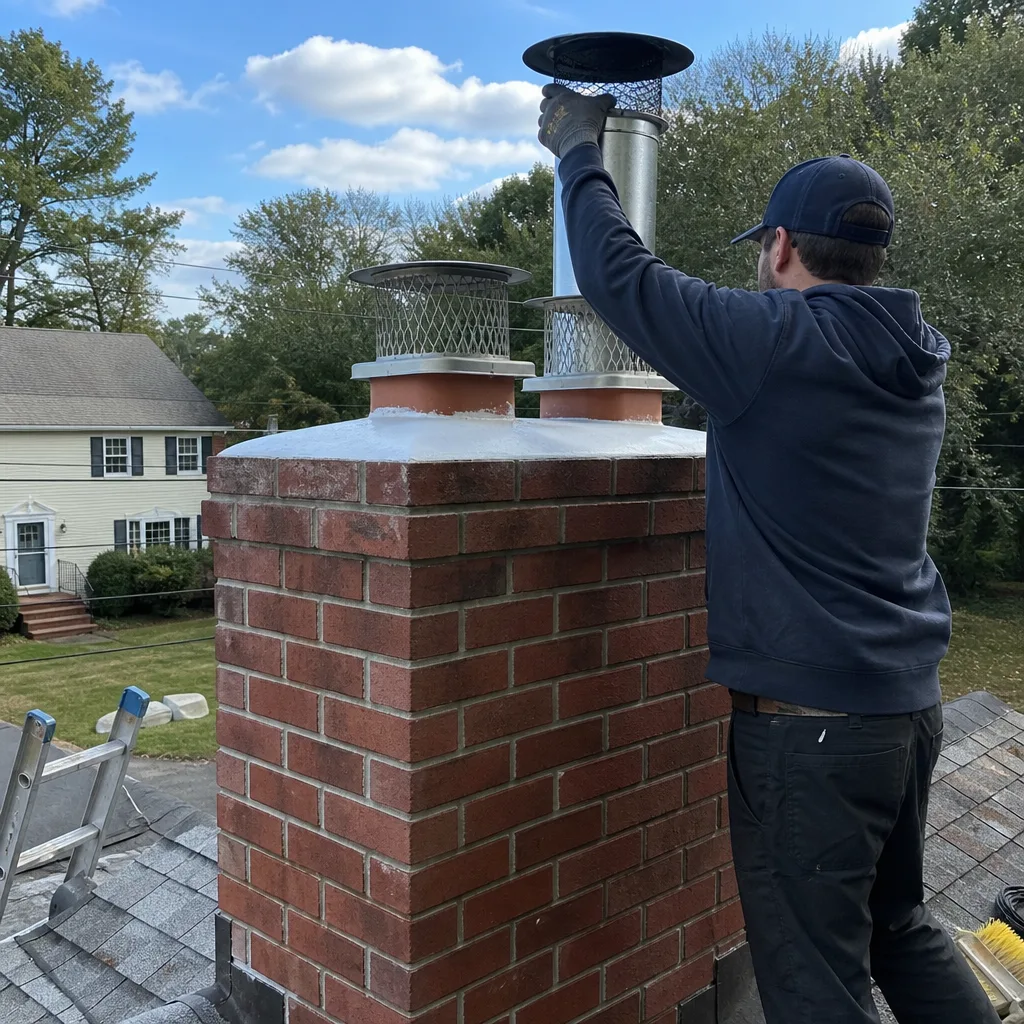 After
AfterDuraFlex Flue Liner Replacement: The Natick Owner’s Guide
We stock and install DuraFlex flue liner replacement parts across Natick and the surrounding Middlesex County towns, with most single-story liner swaps running between $1,800 and $3,400 installed depending on length, diameter, and access. If your liner has started flaking, rusting through, or you spotted a crack during your last sweep, you’re in the right place. Most Natick homeowners discover the problem two ways: either the annual inspection catches it on camera, or the water heater starts backdrafting and the carbon monoxide detector won’t stop chirping.
Here’s what we’ve learned after years of pulling failed liners out of chimneys in Natick: the liner is the one part of your chimney that works hard every single time you burn, and it’s also the part nobody ever sees. Your flue doesn’t care how the fire looks. It cares how it breathes.
Which DuraFlex Models This Applies To
DuraFlex makes a few different liner lines, and they are not interchangeable. The two we see most often in Natick homes are the DuraFlex 316L (the standard stainless liner for wood stoves and fireplaces) and the DuraFlex AL (the lighter aluminum version used almost exclusively for gas appliances). If you’re burning wood, you need the 316L. Period. The aluminum liner will not hold up to wood-burning temperatures.
The quickest way to identify what you have: look for the stamped label on the liner cap at the top of the chimney, or check the original installation paperwork if you kept it. Most DuraFlex liners in this area run 6-inch diameter for wood stoves, with 5.5-inch and 8-inch being less common but not rare. The gotcha we see regularly: a homeowner buys a 6-inch liner kit online, then we show up and their existing appliance collar is actually 5.5 inches. Measure twice. Or better, call us and we’ll confirm it before you spend a dime.
On the OEM-versus-aftermarket question for DuraFlex specifically: DuraFlex’s own 316L is a solid product, and we install it routinely. There are also quality aftermarket 316Ti liners that hold up comparably in Massachusetts weather. What we won’t do is install a bargain no-name liner that’s thinner gauge than the spec calls for. In Natick’s freeze-thaw cycles, a cheap liner will pinhole within a few seasons. We’d rather tell you the truth up front than be back in three years pulling out rust flakes.
Top Hat Chimney is an independent service provider. We install and service DuraFlex, HeatShield, and Gelco products, but we’re not affiliated with DuraFlex or its parent company.
Signs Your DuraFlex Flue Liner Replacement Is Failing
- Flaking or scaling metal inside the flue. You’ll see this during a sweep, or sometimes as fine metallic dust at the base of the chimney. This is the stainless starting to break down, usually from years of acidic creosote sitting against the walls. Once it starts, it does not stop.
- Rust streaks or staining on the exterior brick. When a liner rusts through, moisture that should be contained inside the flue starts wicking out through the masonry. In Natick’s older colonials, this shows up as brown staining on the chimney face, often near the roofline.
- A smell you can’t place when the stove isn’t burning. That sour, sooty odor on a humid day usually means combustion gases are not venting cleanly. The liner has developed a gap or a crack, and what should go up is lingering inside the chimney.
- Backdrafting or visible smoke spilling into the room. This is the one that gets people’s attention. If smoke rolls into the room when you open the stove door, the liner may have collapsed, separated at a joint, or clogged with debris. Stop burning and call someone.
- Higher-than-normal creosote buildup despite regular cleanings. A compromised liner changes airflow and cools the flue gases too quickly, which makes creosote accumulate faster. If you’ve been sweeping annually and suddenly there’s heavy buildup, the liner is often the reason.
Replacement Cost & What’s Included
In Natick, a DuraFlex flue liner replacement typically lands between $1,800 and $3,400 installed. The spread comes from three things: liner length (a single-story chimney runs 15 to 20 feet, a two-story colonial can push 30 feet or more), diameter (8-inch costs more than 6-inch), and access (a steep roof or a chimney that’s hard to reach adds time).
Every quote we give in Natick includes the parts, the labor, the teardown of the old liner, the new liner installation, the top plate and cap, and a camera inspection after the job. The number you hear on the phone is the number on the invoice. No add-ons after the fact, no “we found something else” surprises. The work is backed by our 90-Day Done Right Promise in writing: if it’s not right, one call brings Wendell and the crew back at no additional cost. And we always take $40 off any repair over $200, which this job certainly qualifies for.
DIY or Call Us?
Here’s the honest split. What you can safely do yourself: look at the exterior brick for rust staining, check your CO detector batteries, and keep an eye on how the stove draws when you light it. That’s about it. You cannot see the inside of a flue liner from the ground, and lowering a new liner down a two-story chimney is not a ladder-and-flashlight job. Getting the liner seated correctly through the damper, clamped at the top plate, and connected to the appliance collar without kinking or tearing the liner takes experience and the right tools.
There’s no high-voltage danger here like garage springs, but the fall risk on a Natick roof in November is real, and an improperly installed liner is a carbon monoxide risk you can’t see. If you suspect the liner is compromised, call us at (781) 378-5846. Wendell will come out, put the camera down the flue, and show you exactly what’s going on. The camera footage and a plain-English verdict, every time, no exceptions. If it does not need doing, he’ll tell you.
FAQs
A DuraFlex 316L stainless liner in the Natick area typically lasts 15 to 25 years with annual cleanings and proper burning habits. The freeze-thaw cycles in Middlesex County, combined with wet wood or low-temperature fires, can shorten that. Gas liners last longer. If your liner is over 20 years old and showing flaking or rust, plan for replacement.
Sometimes, yes, but not usually in a way that’s worth your money. Small pinholes near the top can occasionally be addressed with a proper patch if the surrounding metal is still sound. But once a stainless liner starts flaking or cracking in multiple spots, you’re chasing a losing battle. We’ll always show you the camera footage before recommending replacement, and we’ll tell you plainly if a repair would buy you another season. Call (781) 378-5846 if you want a straight answer.
Most Natick flue liner replacements take four to six hours from setup to cleanup. That includes removing the old liner, running the new one, sealing the top plate, and doing a final camera pass. Two-story chimneys or difficult roof access can push it to a full day. We’ll give you a real arrival window and call you if anything slips.
We stock 6-inch and 8-inch DuraFlex 316L liner sections, top plates, caps, and connectors on the truck, along with compatible HeatShield and Gelco parts. For unusual diameters or extra-long runs, we order what’s needed and typically have it in hand within a few days. Most standard jobs we can complete on the first visit.
Written by Wendell Pike, Owner, Top Hat Chimney at Top Hat Chimney, serving Natick and nearby areas.