
Level 1 sweep and inspection to the NFPA 211 annual standard - flue, crown, cap, and flashing checked and photographed
Chimney sweep logs do not sweep chimneys. They loosen some creosote - which then falls where a brush and vacuum still have to collect it.
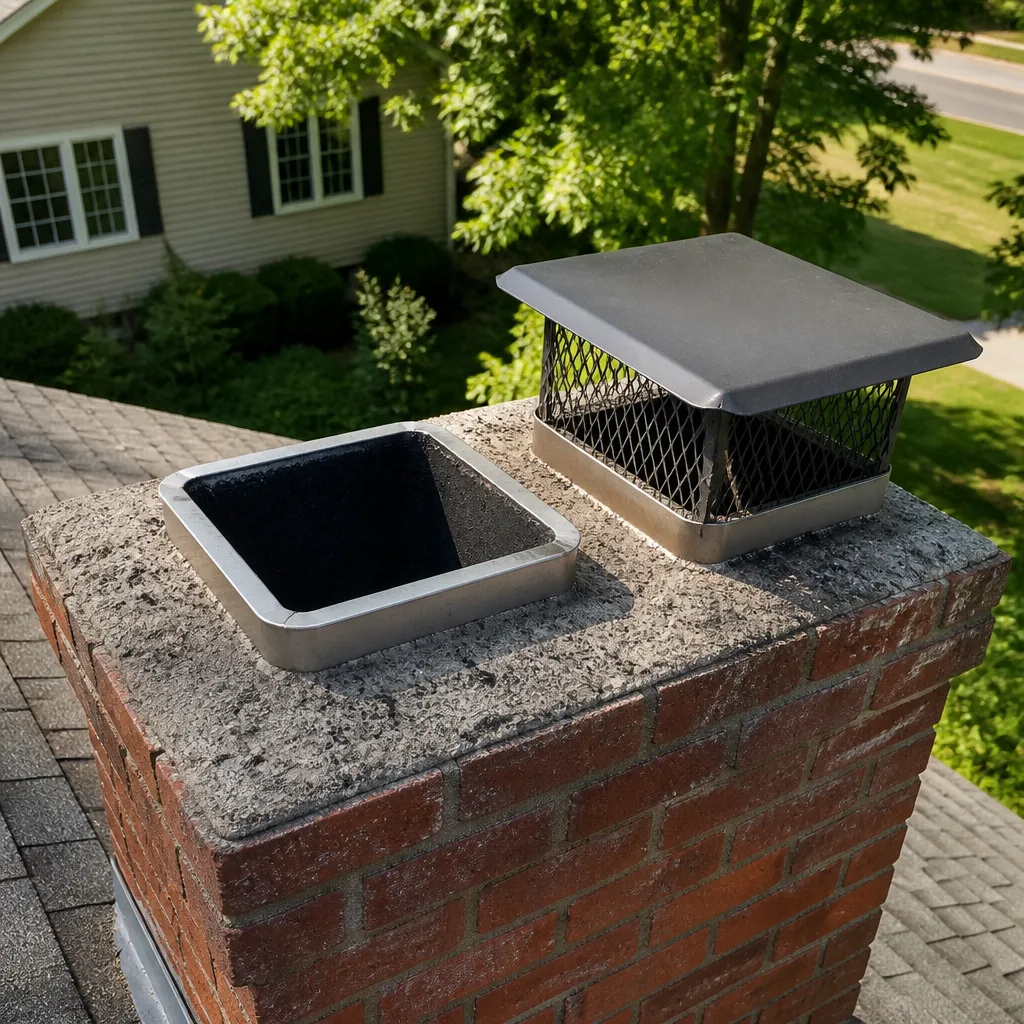
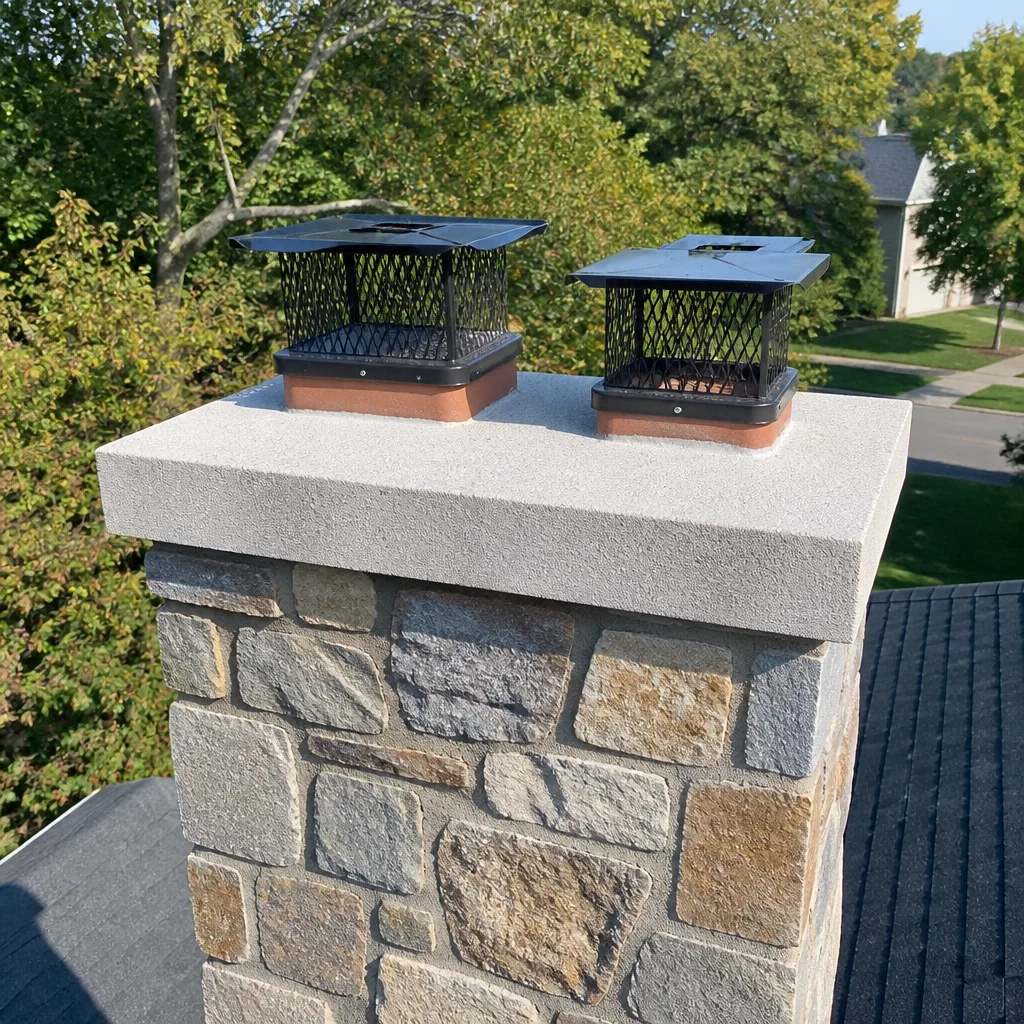
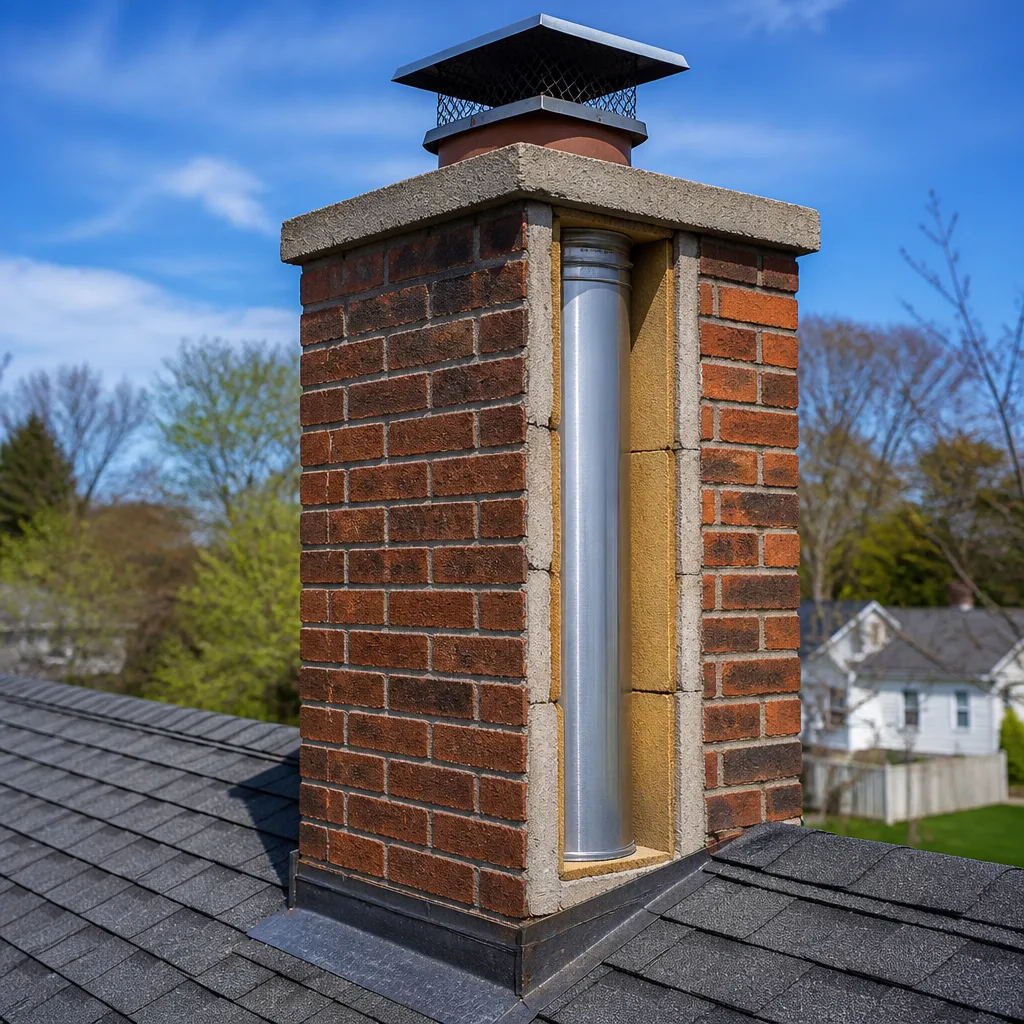
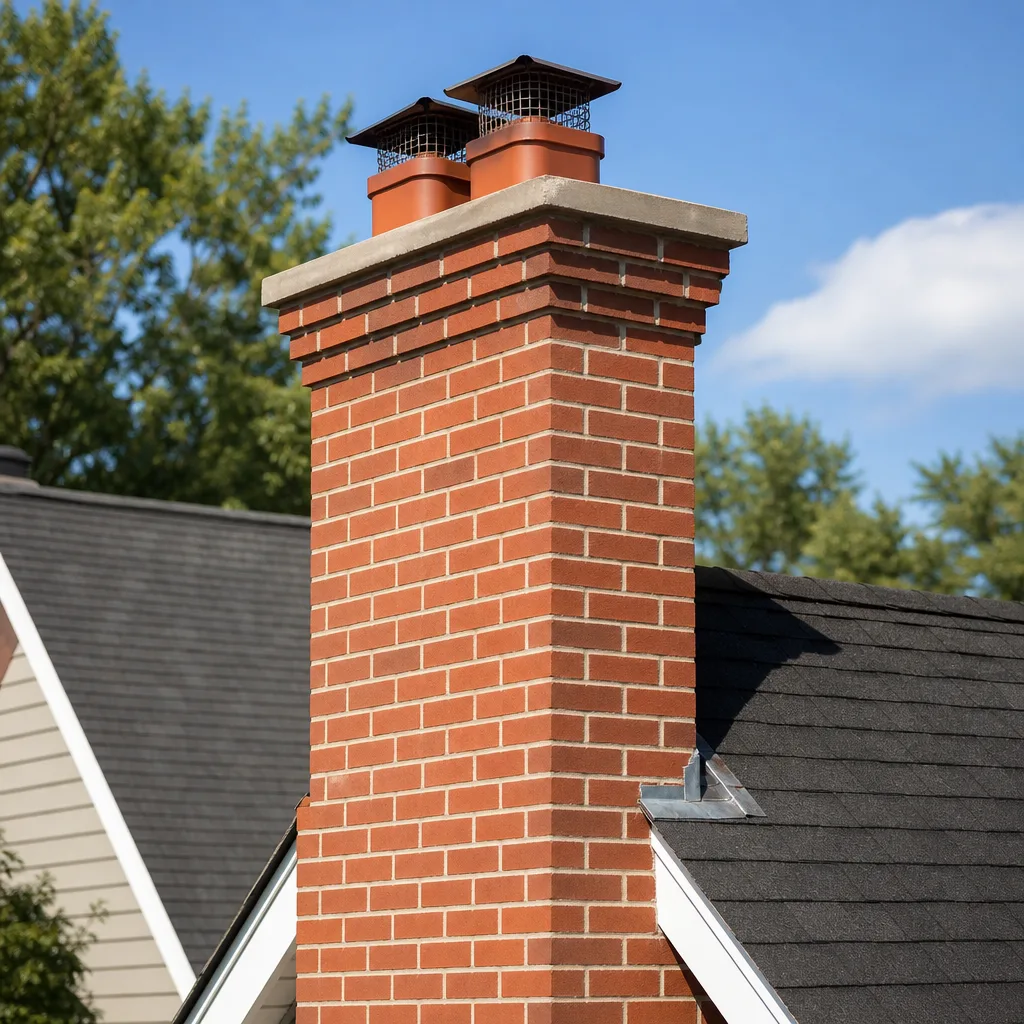
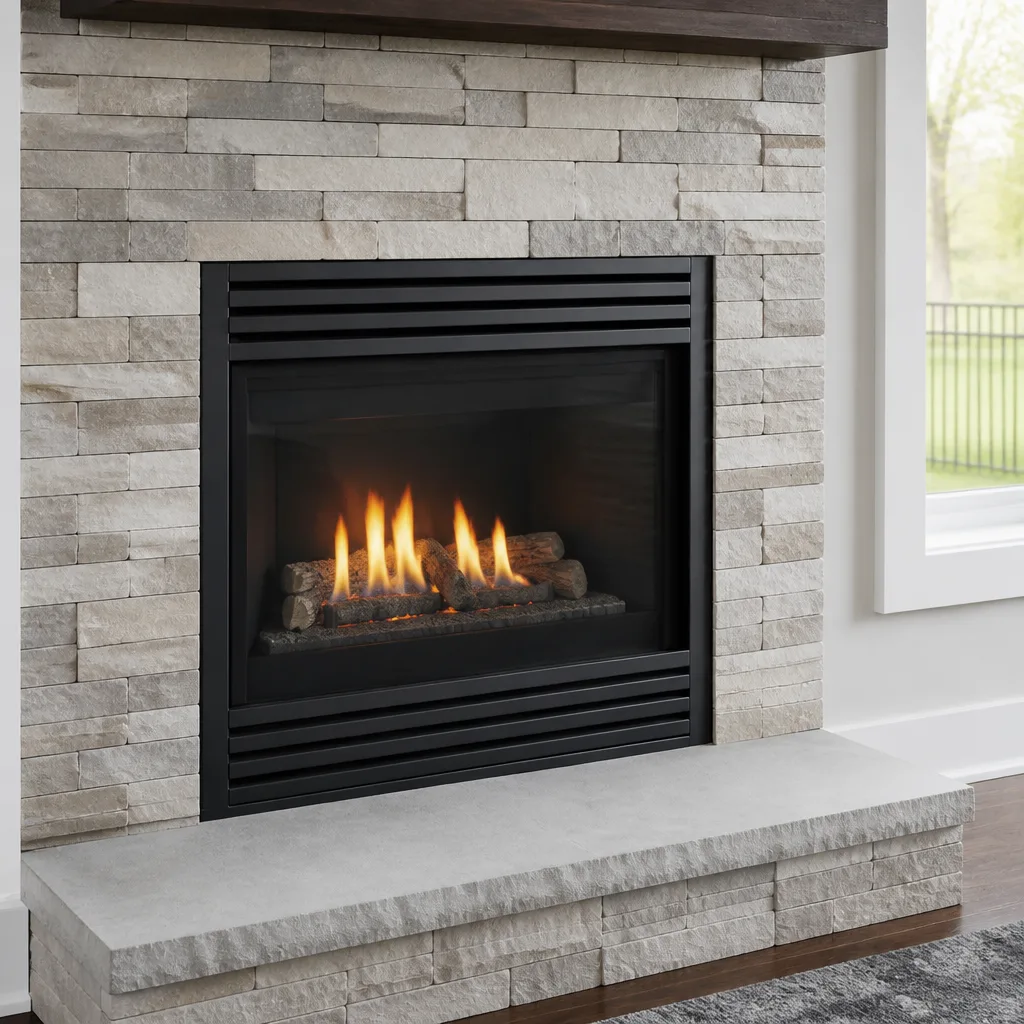
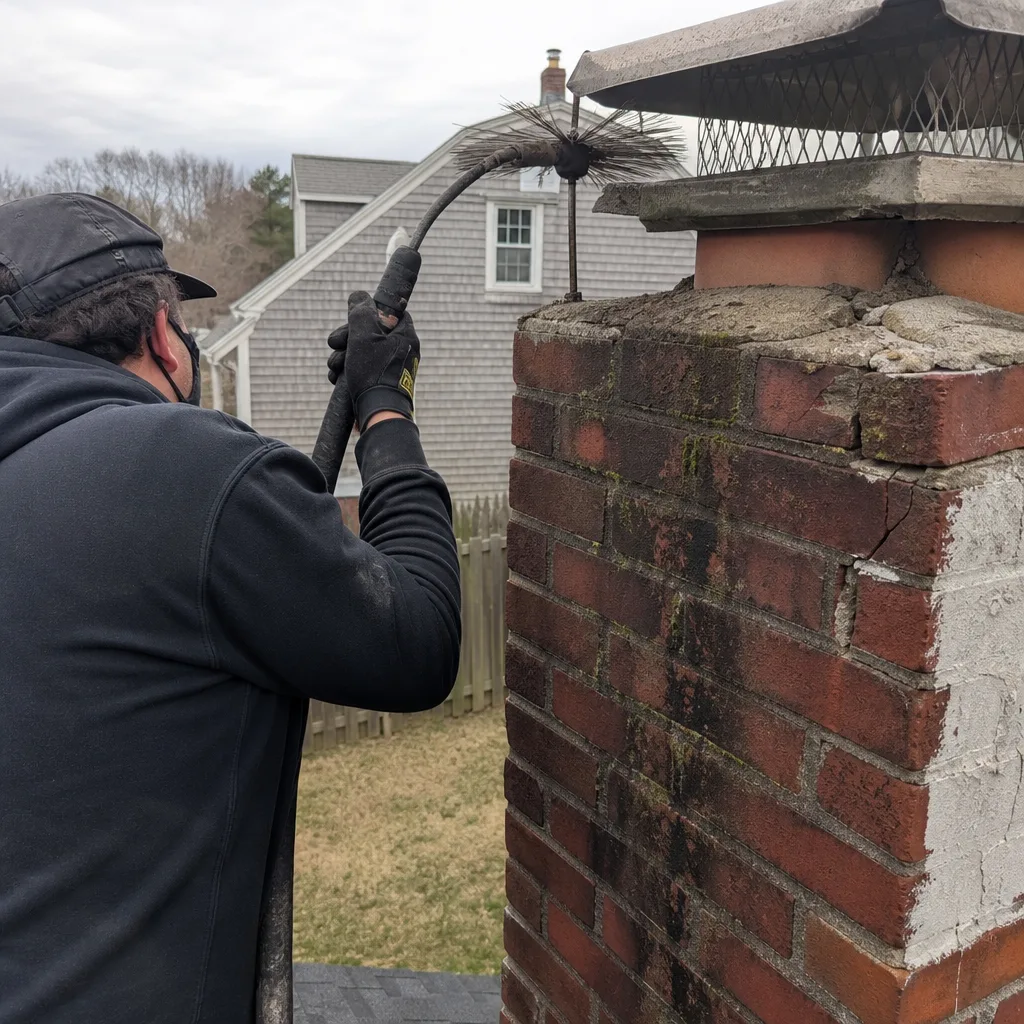 Before
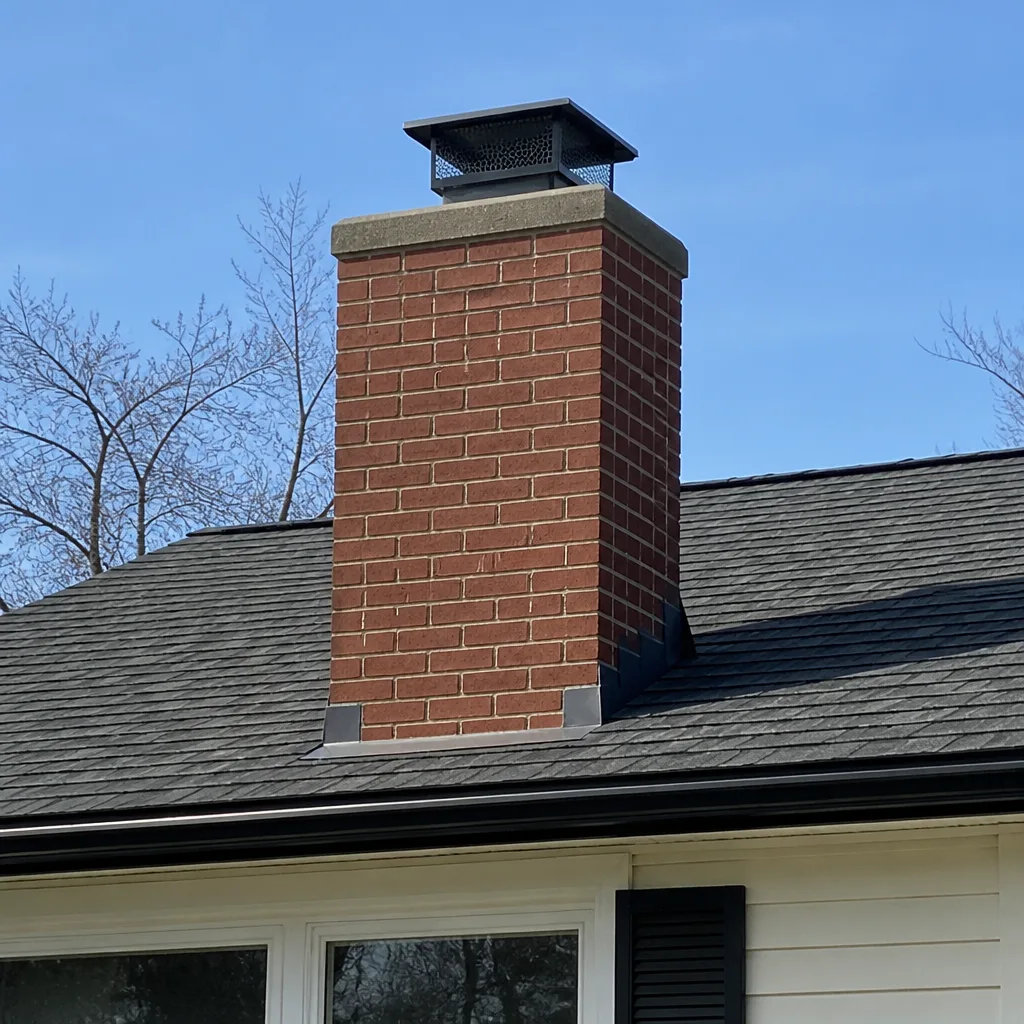 After
After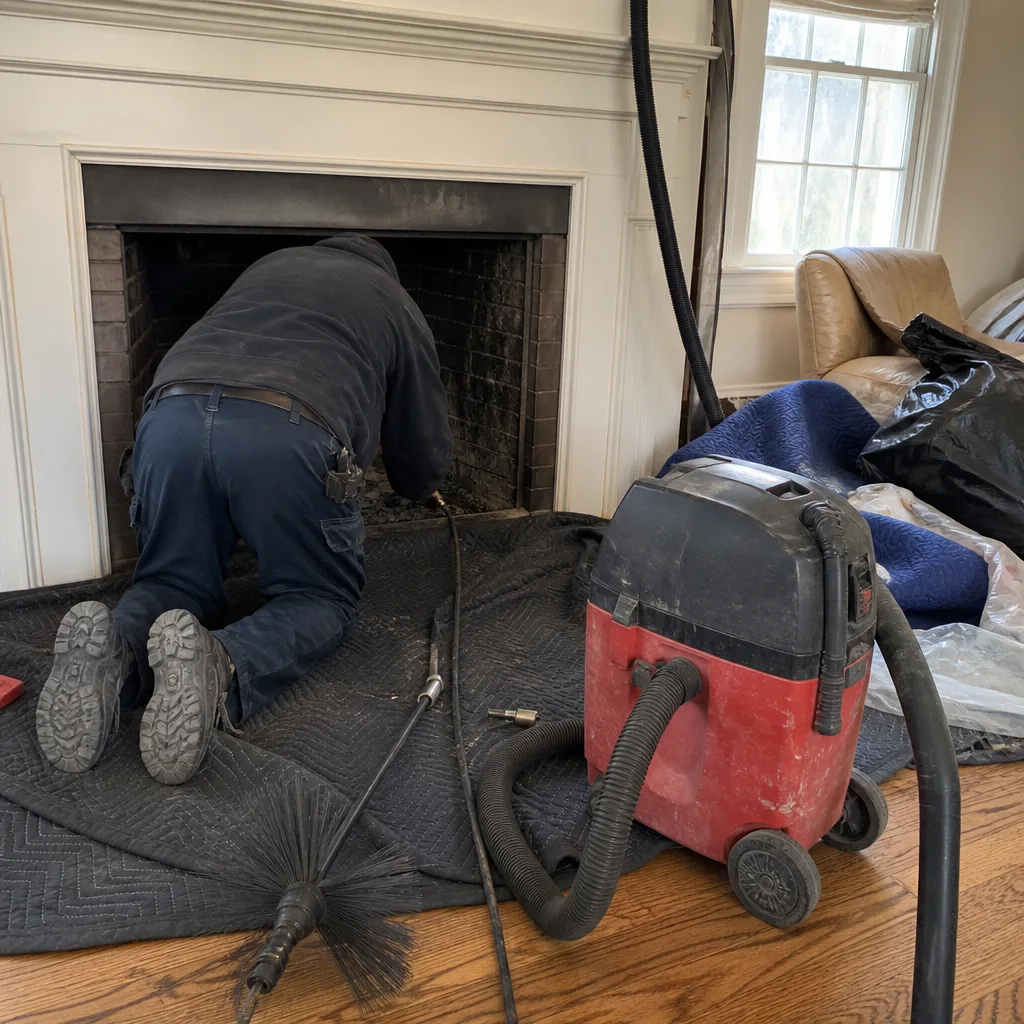 Before
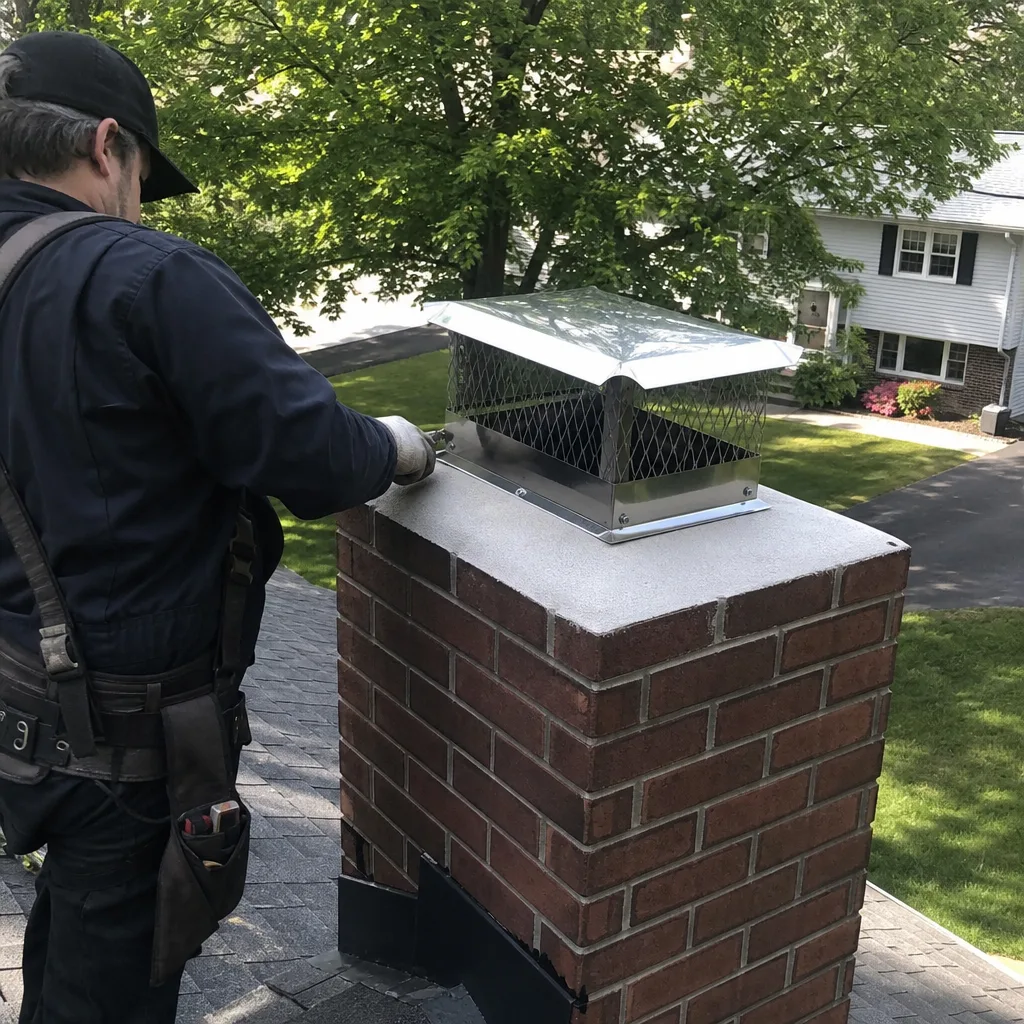 After
After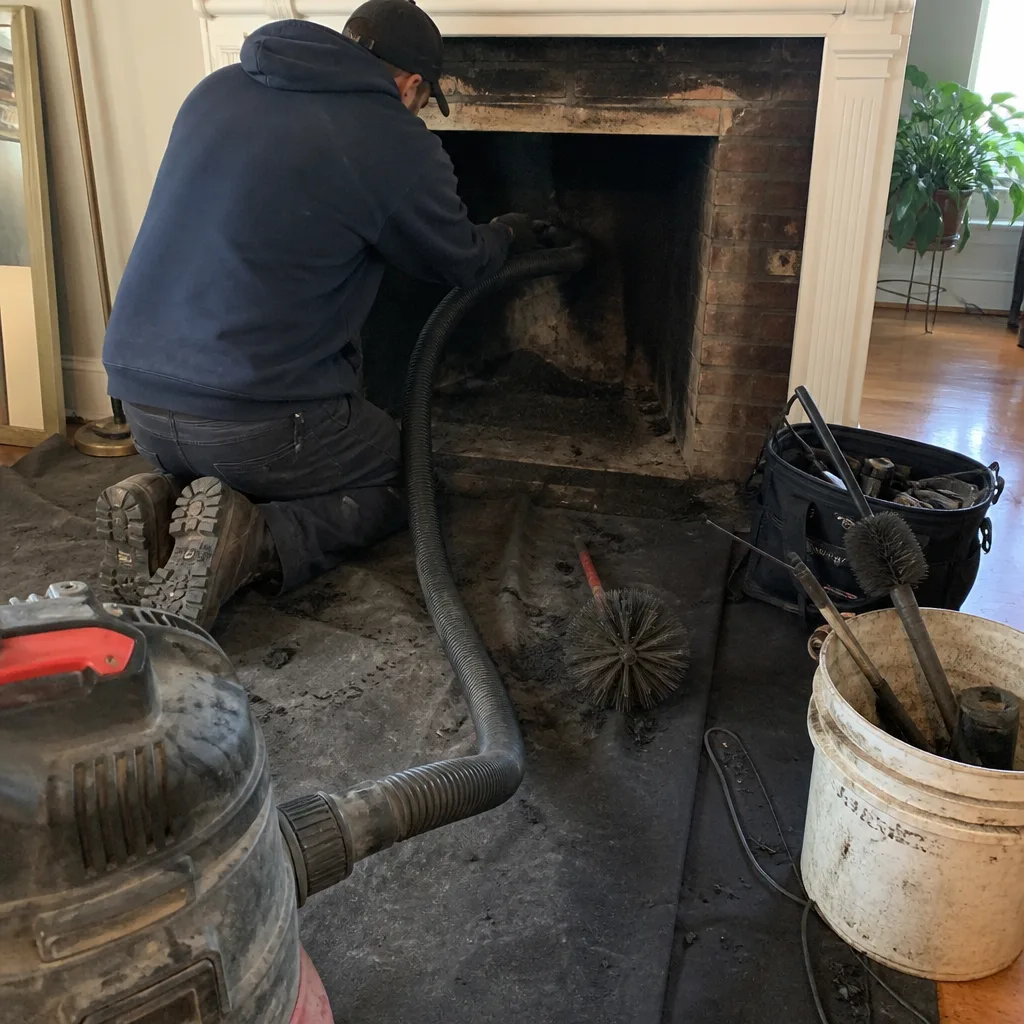 Before
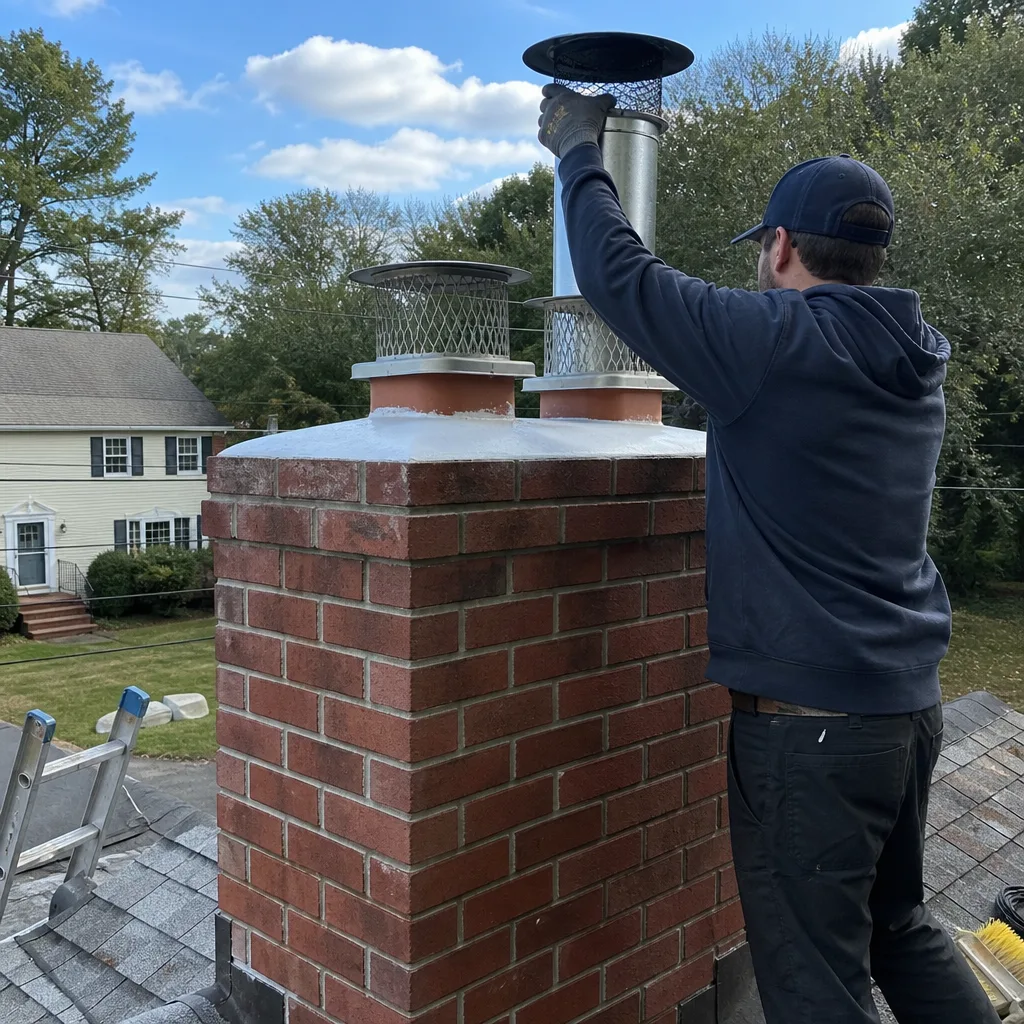 After
AfterHeatShield Crown Repair: The Natick Owner’s Guide
HeatShield crown repair in Natick typically runs $350 to $900 installed, depending on how much of the crown has separated and whether we’re doing a full reseal or a partial patch with HeatShield’s cerfractory material. We stock HeatShield-compatible crown sealant on the truck, so most Natick jobs get done in one visit. The way most folks find out their crown is failing isn’t dramatic: they see a damp spot on the ceiling near the chimney, or they notice the masonry cap has hairline cracks that weren’t there last fall. Sometimes it’s a bit of spalling brick at the top of the chimney, which is the crown letting water through and the brick freezing in January. Here’s the thing about crowns in Massachusetts: a crown is just a concrete or mortar cap that sheds water off the top of the chimney. When it cracks, water gets behind it, sits in the mortar joints, and freezes and thaws through a Natick winter. That freeze-thaw cycle is what turns a $500 crown fix into a $3,000 rebuild if you let it ride. The HeatShield system was designed to stop exactly this with a flexible cerfractory coating that moves with the chimney instead of cracking like rigid concrete.
Key takeaways:
- HeatShield crown repair in Natick costs $350-$900 installed in most cases
- We carry HeatShield-compatible crown material on the truck and typically finish same-day
- The freeze-thaw cycle in New England is why crowns fail here faster than anywhere else
- Any work we do is backed by the 90-Day Done Right Promise
Which HeatShield Models This Applies To
We install HeatShield’s CrownCoat system, which is designed to work across the full HeatShield lineup, but the way it gets applied depends on what you’re working with. The most common HeatShield installations we see in Natick are the Eco-Smooth and Cerfractory 360 systems; both use the same CrownCoat cerfractory top coat, but the 360 system gets a slightly heavier abrasion-resistant seal because it’s rated for the higher flue temperatures you see with a wood stove running wide open. If you’re reaching for the part yourself, the compatibility gotcha is this: HeatShield’s CrownCoat bonds to the HeatShield Cerfractory base coat, not directly to bare concrete. If the original crown was never coated with a cerfractory base, you need that adhesion layer first, or the new seal fails within two seasons. That’s the single biggest reason we won’t just hand a bucket of CrownCoat to somebody over the counter and wish them luck. We’re an independent shop, not affiliated with HeatShield corporate, but we’ve installed their systems long enough to know where the product excels and where it flat-out requires the prep done right.
Signs Your HeatShield Crown Repair Is Failing
- Hairline cracks in the crown surface that keep widening. This is the classic early warning. The HeatShield cerfractory is designed to flex, but repeated freeze-thaw stress will eventually telegraph through as fine spider lines around the flue opening.
- White mineral deposits (efflorescence) on the top few courses of brick. That chalky white stuff means water is moving through the masonry, not over it. The crown isn’t shedding water anymore, and the brick is wicking it down.
- Spalling: brick faces popping off near the top of the chimney. When water seeps into the top bricks and freezes, the brick face literally detaches. You’ll find little red chips on the roof or in the gutter. That’s the crown failing, not just an old brick doing its thing.
- Damp odor or staining on the ceiling near the chimney chase. Water that gets past the crown eventually works its way down the chimney chase and into the ceiling. By the time you see the stain, the crown has been letting water through for a while.
- Gaps between the flue tile and the crown. Older crowns were sometimes poured tight against the flue tile and mortared in, which leaves a rigid seam that opens up over time. HeatShield’s solution seals this seam with a flexible joint, but when it pulls away you’ll see a visible daylight gap around the flue.
Replacement Cost & What’s Included
The numbers you’ll hear for HeatShield crown repair in Natick generally break down like this:
| Scope | Typical Installed Price in Natick |
|---|---|
| Partial crown patch (minor cracking, less than 25% of surface) | $350-$500 |
| Full CrownCoat application (standard single-flue chimney) | $550-$750 |
| Full application plus drip edge and minor masonry touch-up | $750-$900 |
What drives the range is the size of the crown, accessibility (a steep Natick Colonial roof costs us more time than a low ranch), and whether we need to grind out and reseal a failing base coat first. We give you the price before a single tool comes off the truck, and the number you hear on the phone is the number on the invoice. No trip charge inside our county, and we give you a 90-Day Done Right Promise in writing on every job. If the crown reseal doesn’t hold, one call brings Wendell and the crew back at no charge. That’s the whole deal. We also knock $40 off any repair over $200 if you’re one of the folks who asks about it, and veterans and seniors get 10% off every job, always.
DIY or Call Us?
You can safely walk your roof line with a pair of binoculars and look for the signs we listed above. That’s smart. You can also check from the attic: if you can see the chimney chase, look for water staining or wet insulation. But actually applying HeatShield CrownCoat is not a ladder job. The crown material goes on at the very top of the chimney, which means you’re working on the roof, often on a slope, dealing with a wet cerfractory product that needs to be worked and tooled quickly in the right temperature window. HeatShield CrownCoat doesn’t cure properly below about 45 degrees at the surface, and a Natick morning in November ain’t 45 degrees at the crown, even if it is at ground level. Curing time matters here. If the seal doesn’t cure right, you get a false sense of security and a crown that fails by spring. Wendell Pike has been on these roofs for over 29 years, and if it does not need doing, we will tell you. Call (781) 378-5846 for a straight answer, not a sales script.
FAQs
In Natick’s freeze-thaw climate, a properly applied HeatShield crown system will last 15 to 20 years, which is about triple what a standard concrete crown gets. The cerfractory material flexes instead of cracking, and that’s the difference. Call (781) 378-5846 for an exact quote; estimates are free, and we’ll tell you if the old crown still has years left.
Yes, and that’s the point of the HeatShield CrownCoat system: it repairs the existing crown by sealing it with a flexible cerfractory membrane instead of ripping the old one out and repouring concrete. The catch is that the old crown has to be structurally sound. If it’s already cracked through and shifted, no coating will save it. We’ll show you the camera footage and give you a plain-English verdict, every time, no exceptions.
For a standard single-flue chimney in Natick, expect 2 to 4 hours on site, most of which is prep work: wire brushing, cleaning, and tapping out loose material. The CrownCoat application itself goes on in about 30 minutes per coat. You don’t need to be home, but we will want to show you the before-and-after photos while we’re still there. Call (781) 378-5846 and we’ll work around your schedule.
We keep HeatShield CrownCoat and the matching Cerfractory base coat on the truck, along with DuraFlex and Gelco parts for liner and chase work. If your crown needs more than a reseal, we also carry the prep materials to do the full job on the spot. We’re an independent service provider, not a HeatShield dealer, so we’re free to tell you exactly what your chimney needs and nothing more.
Written by Wendell Pike, Owner, Top Hat Chimney at Top Hat Chimney, serving Natick and nearby areas.