
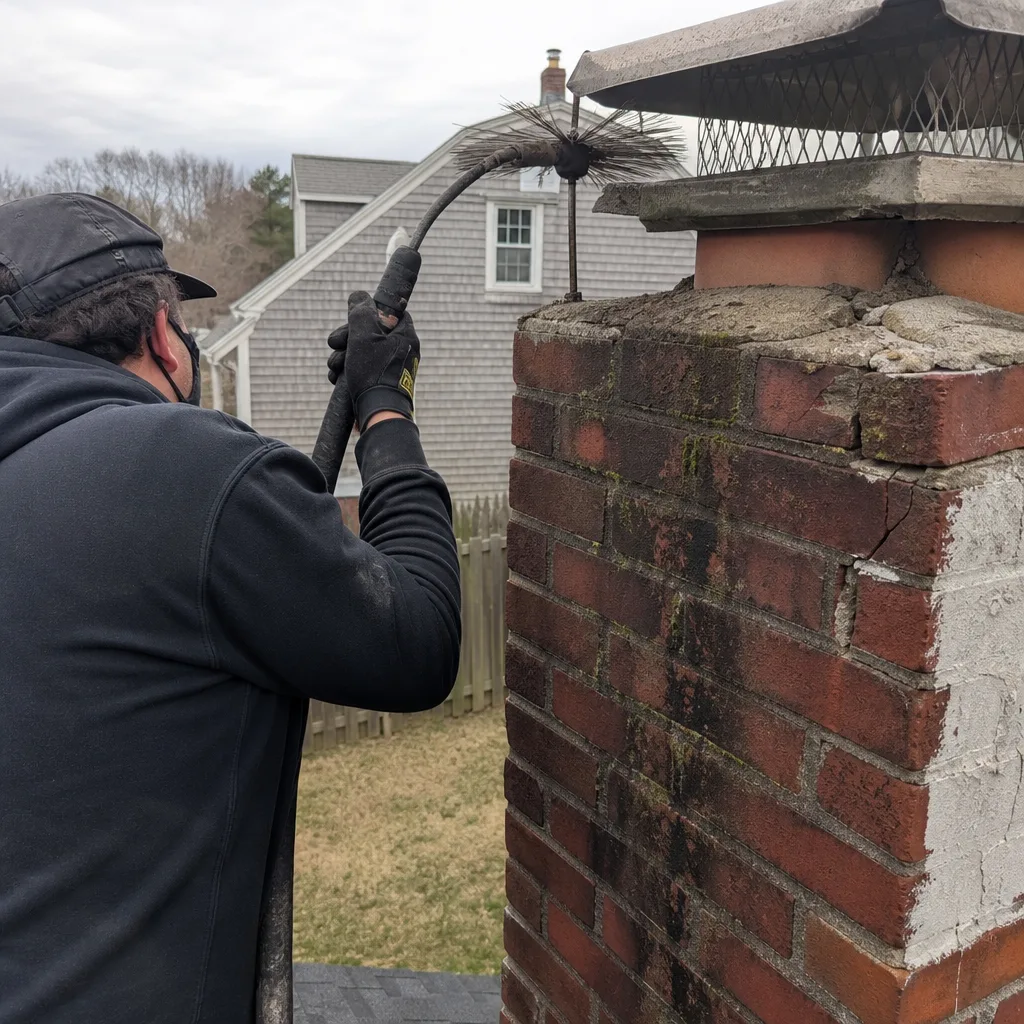
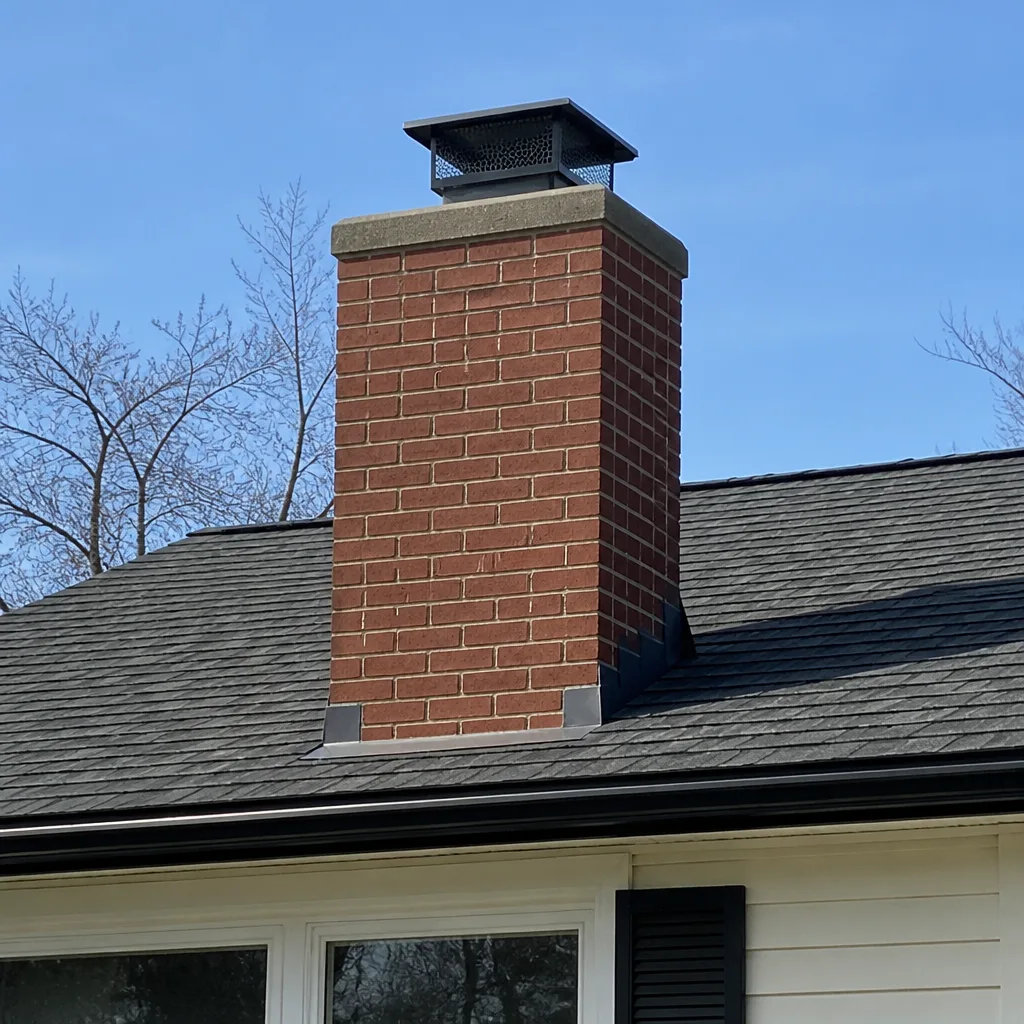
Level 1 sweep and inspection to the NFPA 211 annual standard - flue, crown, cap, and flashing checked and photographed
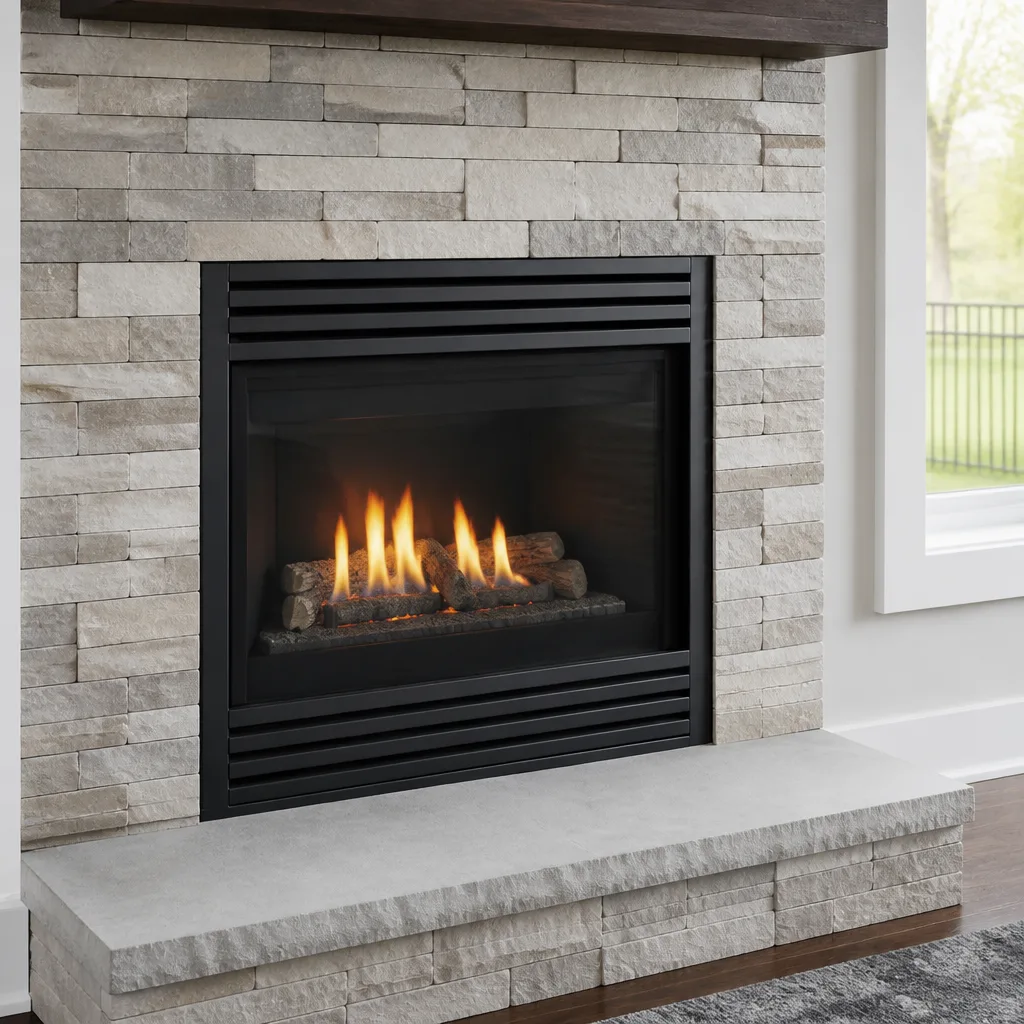
Chimney sweep logs do not sweep chimneys. They loosen some creosote - which then falls where a brush and vacuum still have to collect it.
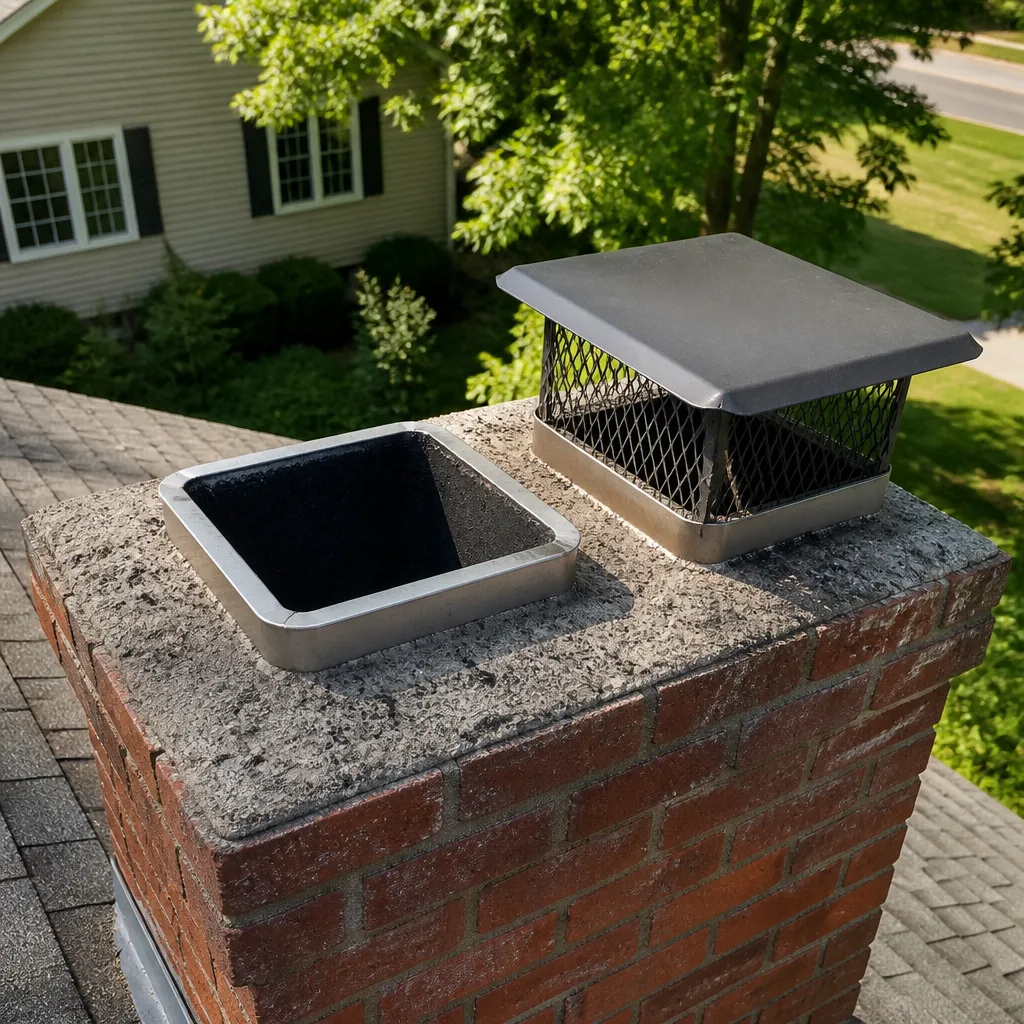
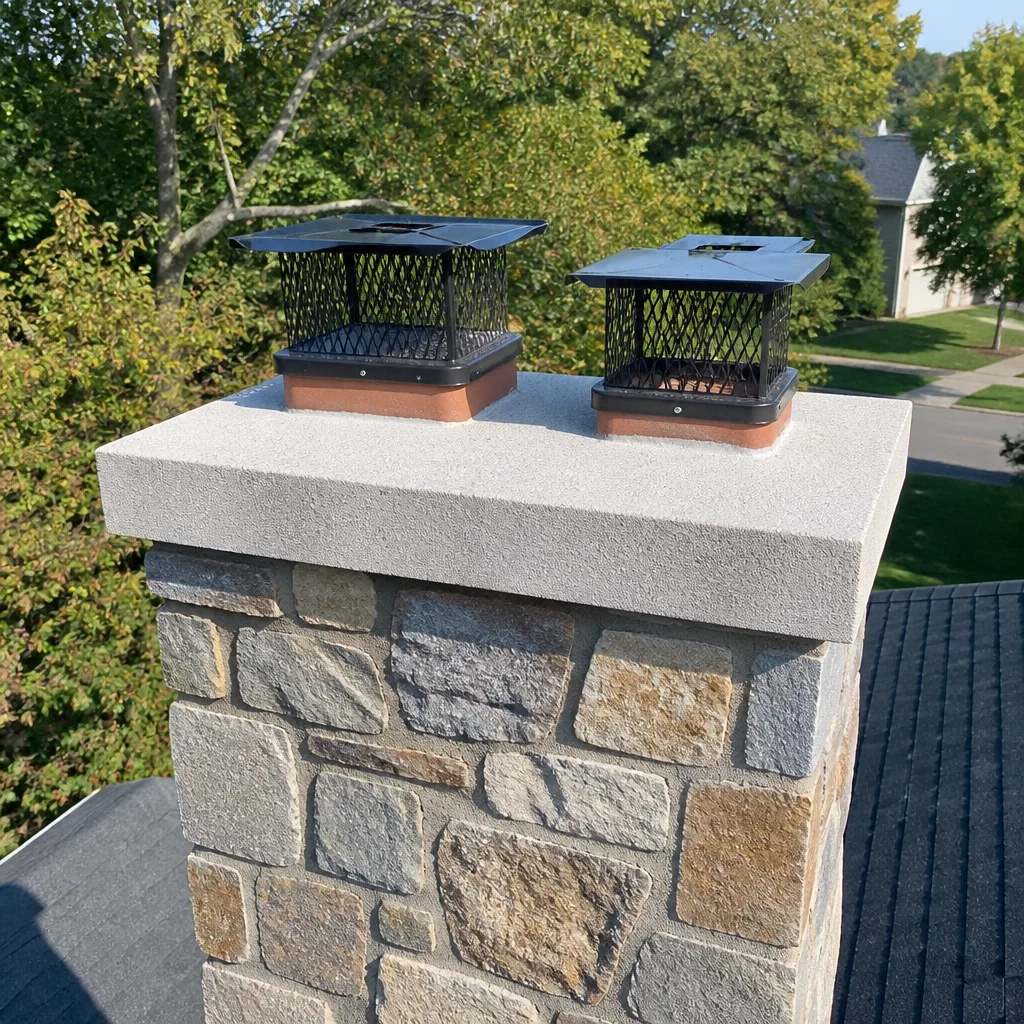
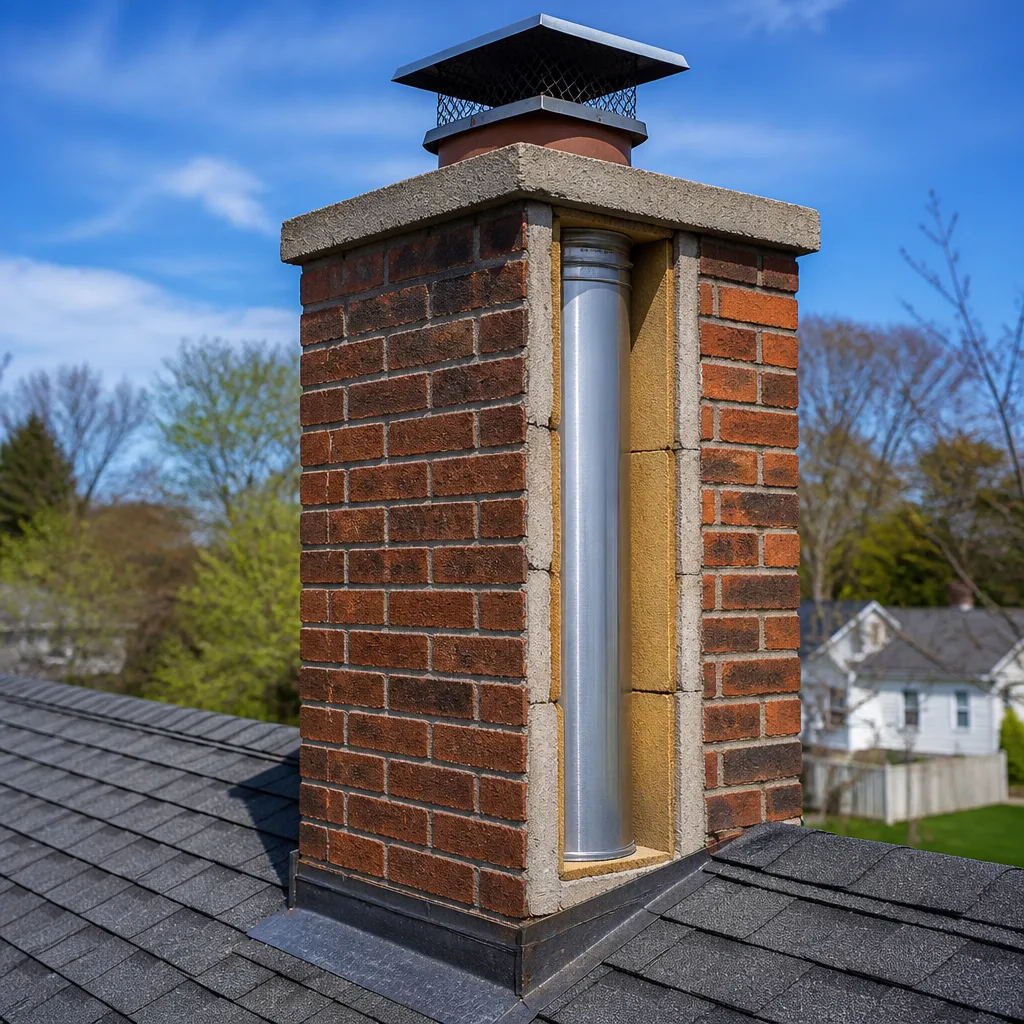
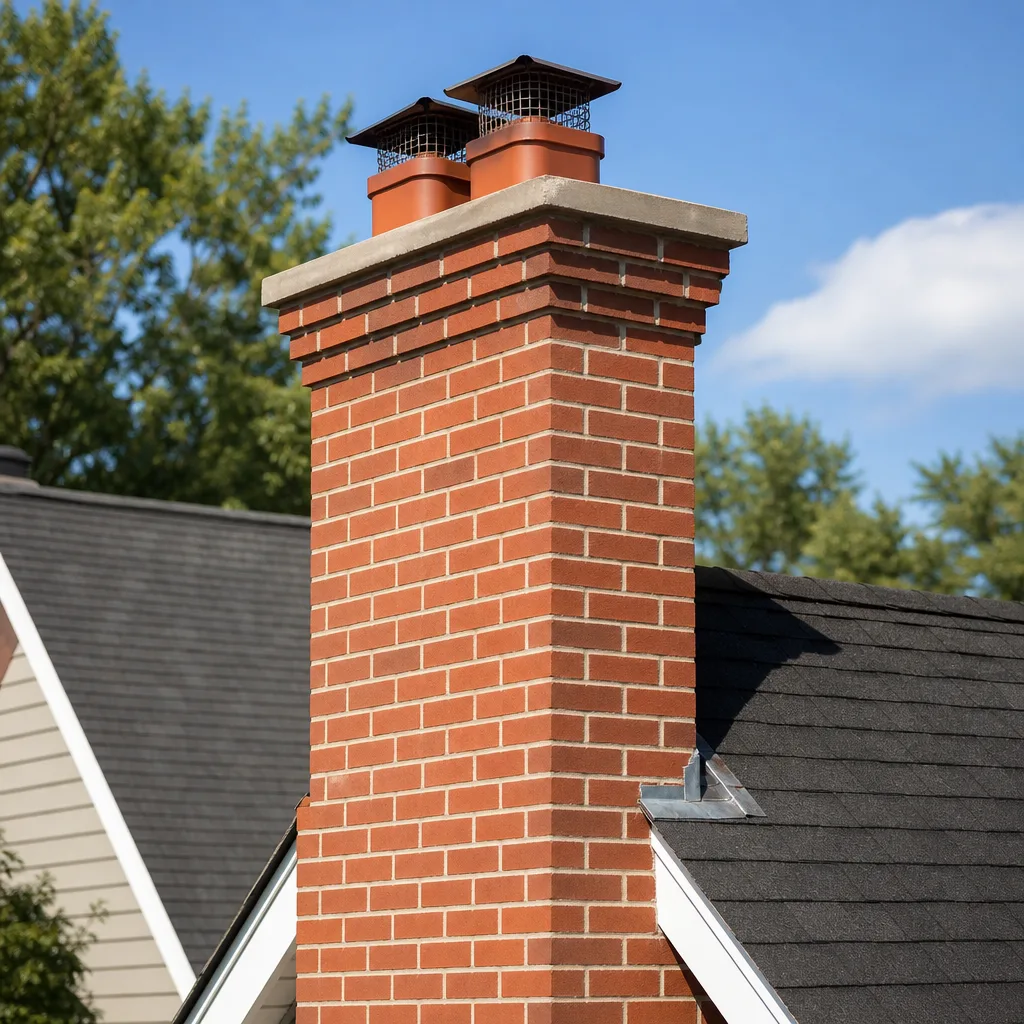
 Before
 After
After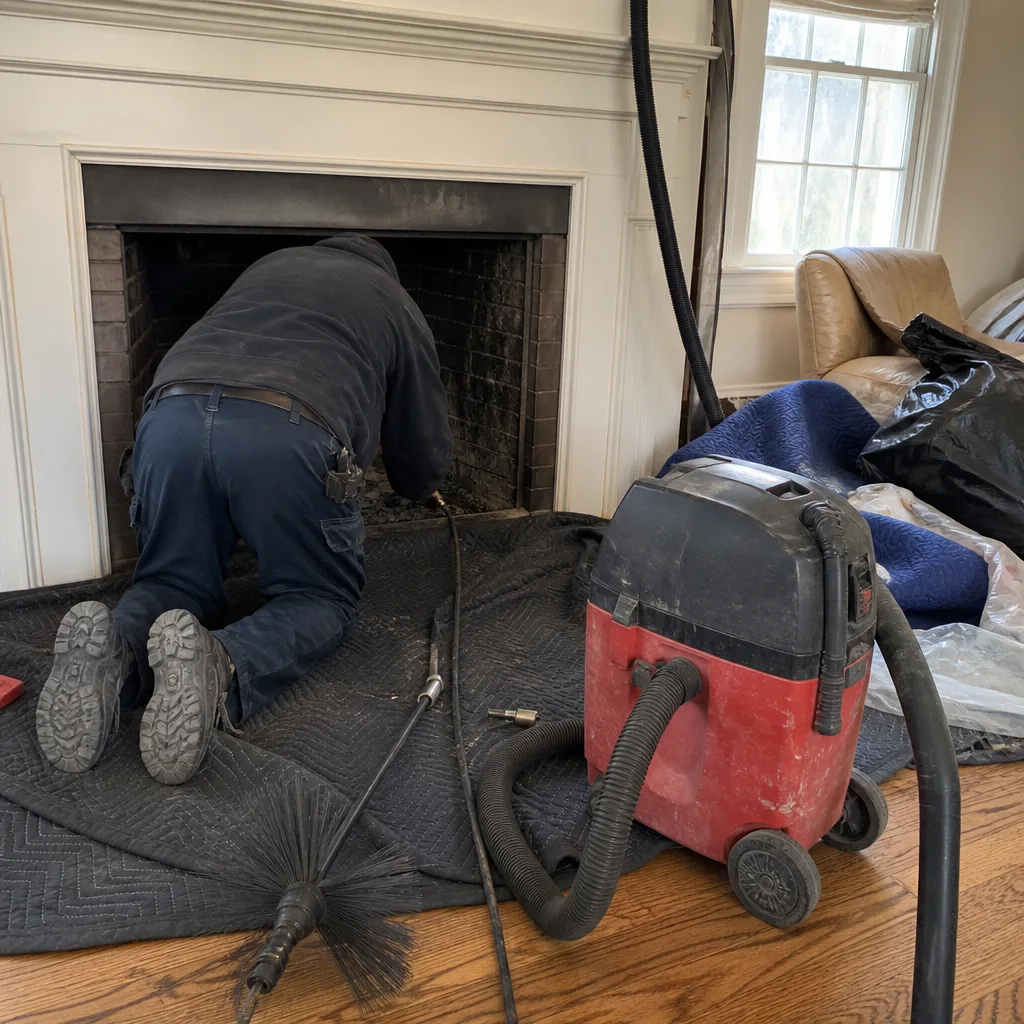 Before
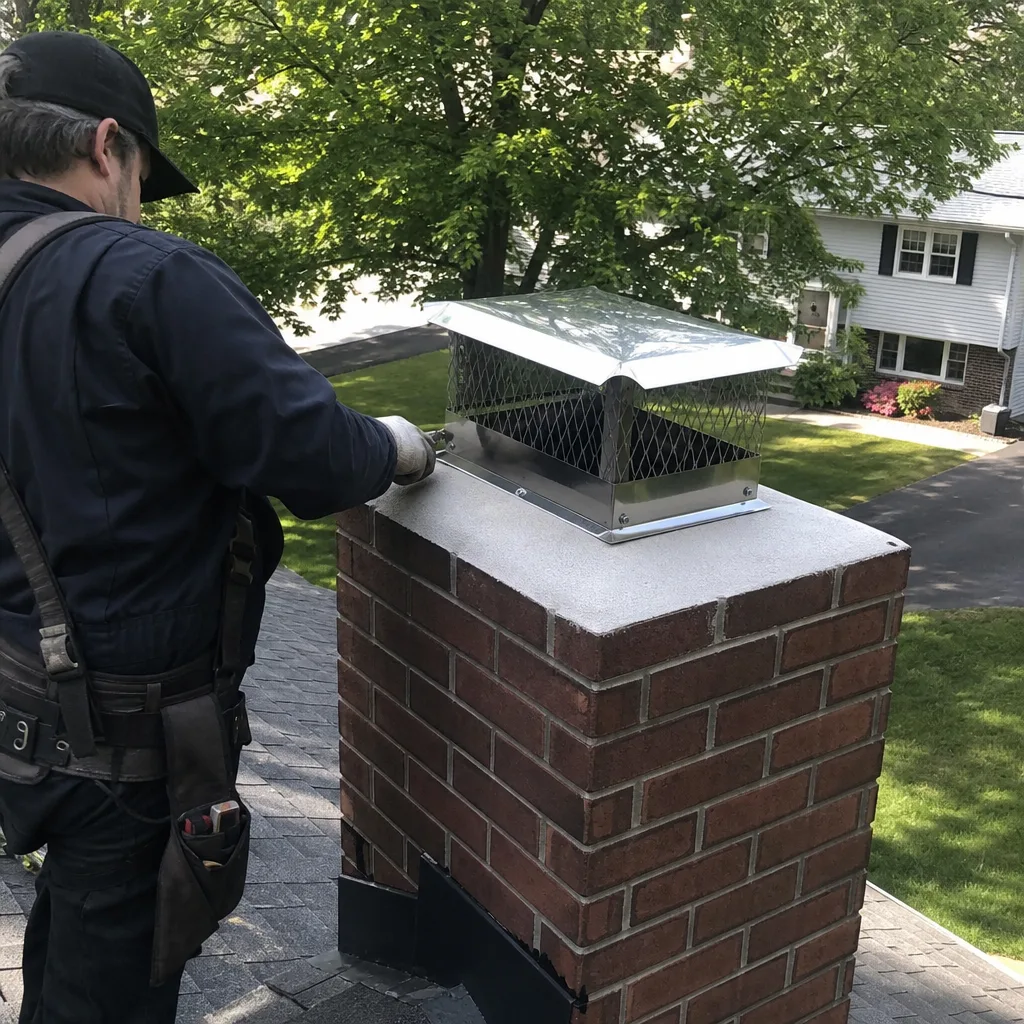 After
After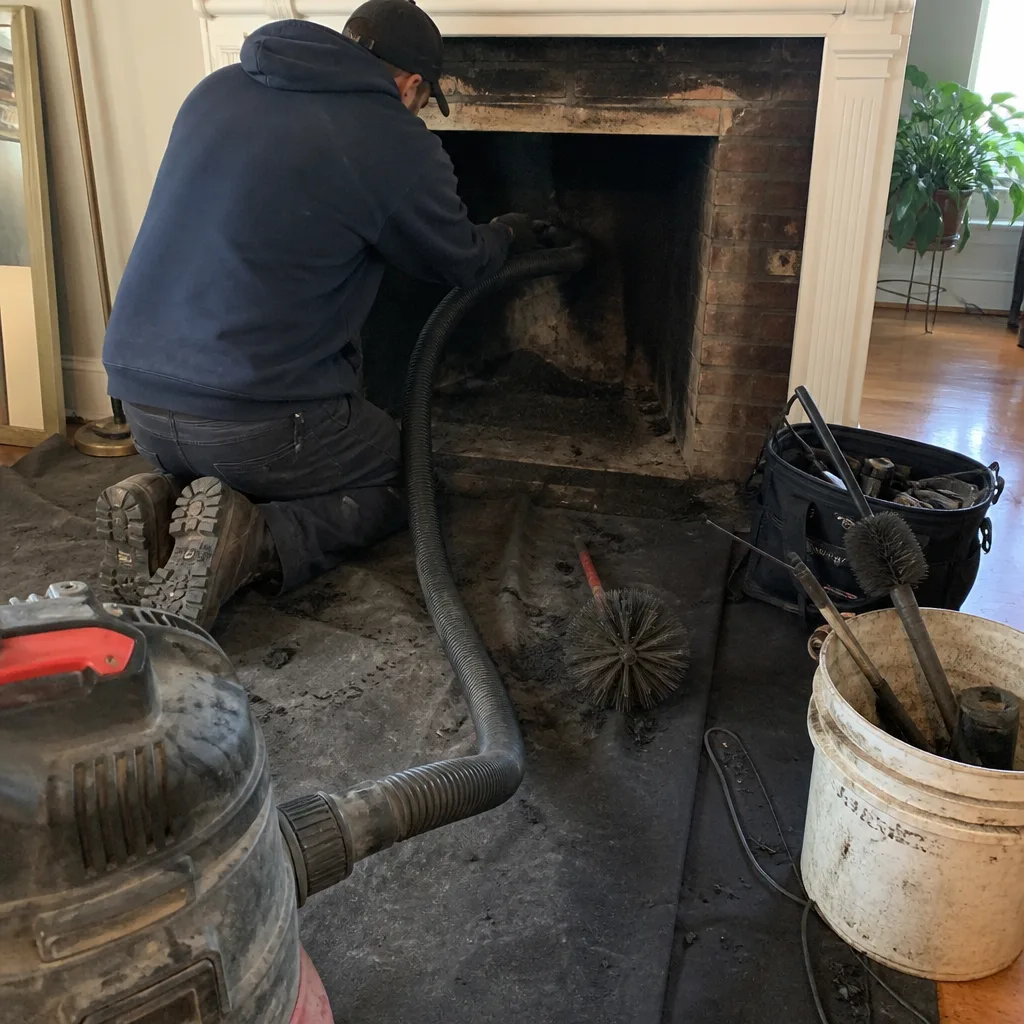 Before
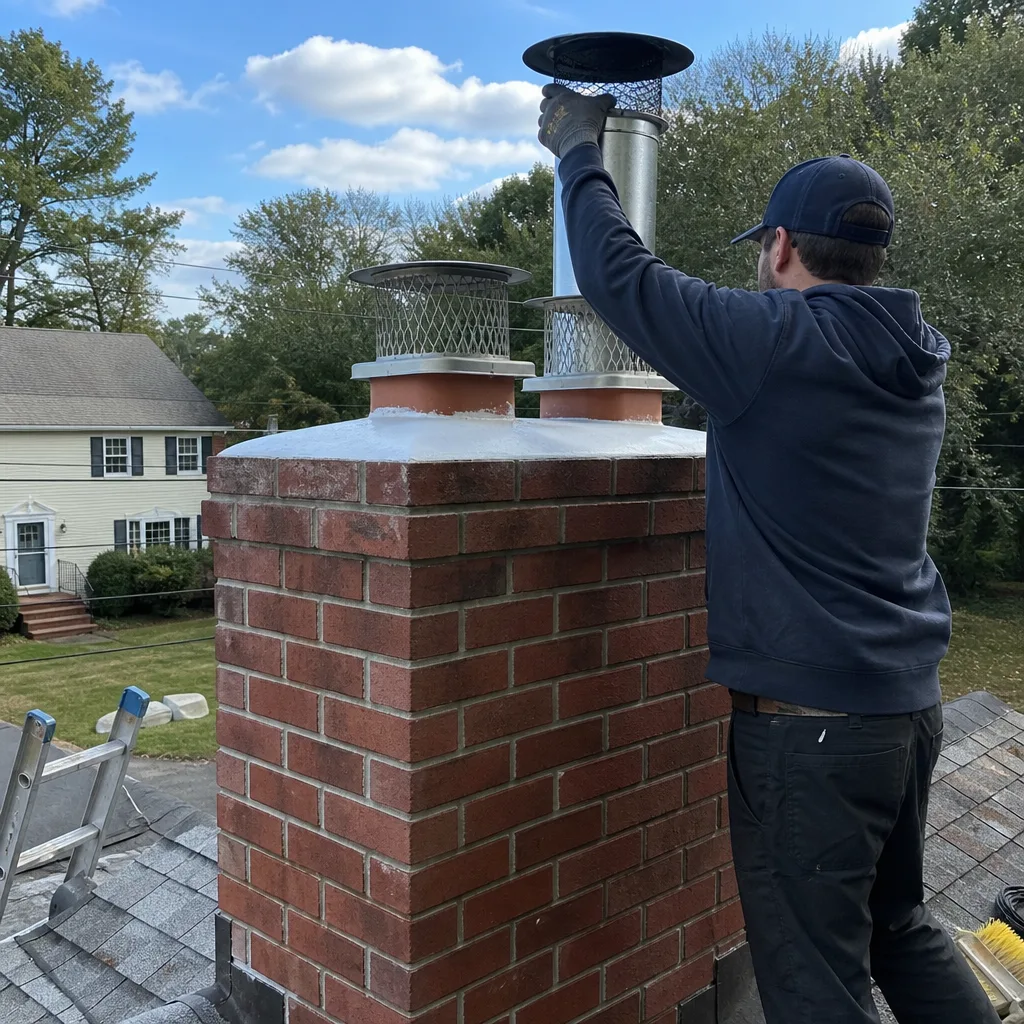 After
AfterHeatShield Chimney Cap Installation: The Natick Owner’s Guide
We stock and install HeatShield-compatible chimney caps throughout Natick, and a full cap replacement with installation typically runs $340 to $620 depending on flue size and roof access. Most jobs are done in a single visit once we’ve confirmed the measurements. The way most Natick homeowners discover their HeatShield cap has failed is simple: water showing up where it shouldn’t be, or a cap that’s visibly rusted through at the mesh after a few hard New England winters.
If you’ve got a HeatShield cap that’s seen better days, you already know the product line is solid. What fails first isn’t usually the cap body itself. It’s the mounting hardware and the screened mesh, both of which take the brunt of Massachusetts weather from November through March. The good news is this is a straightforward fix for a sweep who knows the product line, and it doesn’t have to turn into a liner conversation. Sometimes a cap is just a cap.
Which HeatShield Models This Applies To
HeatShield makes caps for both masonry chimneys and factory-built flues, and the installation path is different for each. If you have a round flue tile poking through a masonry crown, you’re looking at a slip-in or bolt-on model sized to the inside diameter of that tile, commonly 6″, 7″, or 8″ in older Natick homes. If you have a factory-built pipe, HeatShield caps attach to the pipe’s twist-lock or band-clamp design, and mixing those up is a good way to buy a part that doesn’t fit. Measure the inside diameter of your flue, not the outside of the crown, and check whether your existing cap sits inside the flue or clamps around it. That’s the single most common compatibility mistake we see in Natick, where colonials and capes built in the 1950s through the 1980s often have flue tiles that aren’t perfectly round anymore.
On OEM versus aftermarket: HeatShield’s factory caps are well made, but for some older flue sizes, quality aftermarket equivalents from Gelco or DuraFlex fit better and cost less. We stock both and will tell you which one makes sense for your chimney. Top Hat Chimney is an independent service provider and not affiliated with HeatShield, which is actually why we can be straight with you about which product matches your specific flue. Your flue doesn’t care what brand name is stamped on the cap. It cares whether the thing keeps water out and sparks in.
Key Takeaways
- HeatShield cap replacement in Natick typically runs $340 to $620 installed, depending on flue size, roof pitch, and access.
- The cap body rarely fails first. The mesh screen and mounting hardware are what New England weather destroys.
- Measure the inside diameter of the flue, not the crown opening. That’s the number that determines the right cap.
- We stock HeatShield-compatible caps along with Gelco and DuraFlex equivalents on the truck, so most swaps are one visit.
- Every installation is backed by our 90-Day Done Right Promise in writing.
Signs Your HeatShield Chimney Cap Installation Is Failing
- Water staining on the ceiling or wall near the chimney. This is almost always a cap that’s no longer sealing at the flue opening. Even a small gap at the mounting point lets rain run straight down the inside of the flue.
- Pieces of rusted mesh on the roof or in the yard after a storm. The screen is the first thing to go after about eight to ten years in Natick’s damp winters. Once it starts breaking apart, the cap is no longer doing its spark-arrest job.
- A cap that’s visibly tilted, or a flue tile that’s spalling below the cap. When the mounting hardware corrodes, the cap can shift. The gap it leaves behind is an open invitation for every rainstorm from April through November.
- Evidence of animals near the chimney, or nesting sounds in the flue. A compromised cap screen is how squirrels and birds get in. Once they’re in, they’ll build in the flue and create a blockage that’s more dangerous than the original problem ever was.
- Drafting problems that come and go, especially on windy days. A cap that’s loose or partially obstructed at the screen can play tricks with how your chimney pulls. In older Natick homes with marginal flue sizing to begin with, a gunked-up cap screen is often the hidden culprit behind a smoky fireplace.
Replacement Cost & What’s Included
For Natick homeowners, a HeatShield-compatible cap replacement from Top Hat Chimney lands between $340 and $620 installed. A basic single-flue cap in standard sizes starts near the low end. The price climbs when we’re dealing with a larger or odd-sized flue, a multi-flue crown, or roof access that requires more ladder work and safety setup on a steep pitch.
That installed price includes the cap itself, the mounting hardware, the removal of the old cap, and a honest look at what’s underneath it while we’re up there. You get a real arrival window when you book. You get the price before we ever climb the ladder. And when the work is done, you get the same 90-Day Done Right Promise stamped on every job we do. If it’s not right, one call brings Wendell back. No fine print, no phone tree.
DIY or Call Us?
If you’re comfortable on a ladder and you just want to check your cap, go take a look at the mesh and the hardware from the ladder or with binoculars from the ground. You can often spot a rusted screen or a shifting cap without setting foot on the roof. What you should not try to do is remove or reinstall a cap on a pitched Natick roof without the right safety gear. The roof work is the dangerous part, not the cap itself. A fall from even a single-story roofline can change your life, and we’ve been called out to finish more than one job that started as a weekend do-it-yourself project.
If the cap is loose or the flue tile is damaged, let a trained sweep handle the removal and replacement. It’s faster than you’d think, and the number you call is (781) 378-5846. You’ll get a real person on the line, no call center. Estimates are free, and if the cap doesn’t actually need replacing, we’ll tell you that too. If it does not need doing, I will tell you.
FAQs
Plan on eight to twelve years for the cap body and five to eight years for the mesh screen, which always fails first in Natick’s damp, freeze-thaw winters. Salt air isn’t a factor here the way it is on the coast, but the constant cycle of snow, ice, and sun on a south-facing roof shortens screen life noticeably. A quick visual check once a year, burn or no burn, will tell you when it’s time. Call (781) 378-5846 if you spot mesh breakdown before it becomes a water problem.
Usually not in a way that makes sense money-wise. Once the mesh is rusted through or the mounting bracket has corroded, the labor to repair it costs nearly as much as a new cap, and you’re left with an old cap body that will fail next. The exception is a cap that’s simply loose. If the hardware is still sound, we can often re-secure and reseal it for a fraction of replacement cost, and we’ll show you the camera footage before you spend a dime.
Most single-flue HeatShield cap replacements in Natick take about an hour from ladder up to ladder down, plus a few minutes to walk you through what we found. Multi-flue caps or situations with damaged crown material around the flue can run longer, and we’ll give you a clear time estimate before we start. Call (781) 378-5846 and we’ll look at your chimney while we’re in the neighborhood.
We carry common HeatShield-compatible sizes and models on the truck, plus quality equivalents from Gelco and DuraFlex for older or odd-sized flues. If your flue needs something unusual, we’ll know it before we arrive because we ask for the measurements on the phone. That means one visit instead of two, and the price you hear before we climb is the price on the invoice. No surprises.
Written by Wendell Pike, Owner, Top Hat Chimney at Top Hat Chimney, serving Natick and nearby areas.